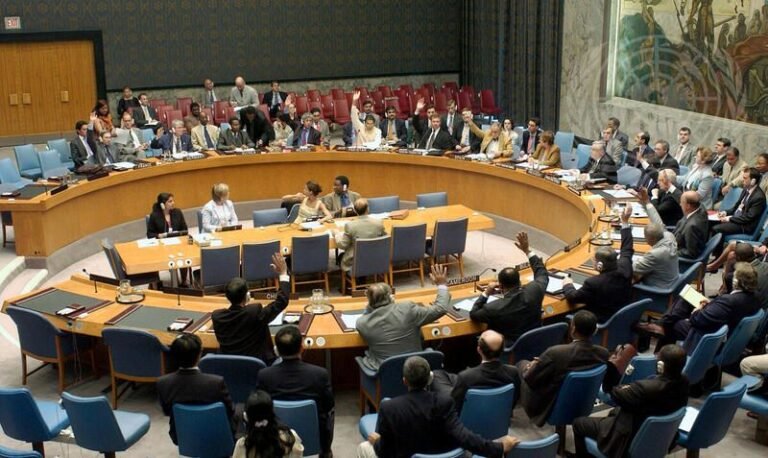
United Nations (TDI): The United Nations Security Council has unanimously extended the mandate of the Monitoring Team that oversees sanctions on the Taliban, keeping it active until February 17, 2027, amid growing concerns about Afghanistan’s security and the regional threat posed by terrorist groups.
All 15 council members approved the US-drafted resolution on Thursday. The extension comes as international attention focuses on the increasing influence of extremist groups operating from Afghanistan and the potential for cross-border destabilisation.
Pakistan, a strong supporter of the resolution, highlighted threats from Tehreek-i-Taliban Pakistan (TTP), the Baloch Liberation Army (BLA), ISIL-Khorasan (ISIL-K), the Majeed Brigade, and Al-Qaeda. Ambassador Asim Iftikhar Ahmad stressed that these groups have been responsible for recent deadly attacks in Pakistan, including incidents this month that claimed 80 lives. He called on the Taliban to prevent Afghan territory from being used as a base for terrorist operations.
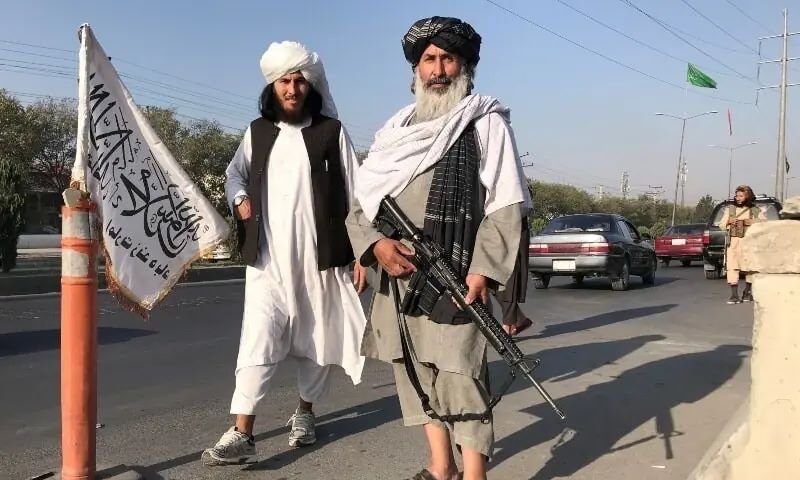
The UN Monitoring Team’s latest report underscores that Afghanistan continues to provide a “permissive environment” for militant groups, particularly the TTP, which has escalated attacks against Pakistani security forces and state institutions. While the Taliban have taken some action against ISIL-K and limited certain activities of other groups, TTP retains significant operational freedom. The report also highlights that Al-Qaeda remains active as a training and advisory hub, particularly supporting TTP, and continues to plan high-profile attacks.
Read More: Taliban Split Between Kandahar and Kabul, Leaked Speech Exposes Divisions
Other groups of concern include Al-Qaeda in the Indian Subcontinent (AQIS), which operates in southeastern Afghanistan, and the East Turkistan Islamic Movement (ETIM/TIP), reportedly benefiting from Afghan patronage and recruitment into Taliban police forces. The Baloch Liberation Army has also carried out attacks targeting Pakistani security forces and CPEC projects, with some cooperation reported among BLA, TTP, and ISIL-K.
Pakistan and other UN member states have stressed that the resolution reinforces the need for the Taliban to take verifiable action against terrorist groups, prevent Afghan territory from being used for external attacks, and meet international security commitments. The Monitoring Team’s findings are expected to guide further Security Council discussions on Afghanistan’s security situation and the effectiveness of the sanctions regime.
Read More: Taliban Appoint First Envoy to India in Major Diplomatic Move
This extension signals a continued international focus on ensuring that Afghanistan does not become a safe haven for extremist groups and underscores the broader regional implications of the country’s security environment.