United Nations (TDI): The United Nations Security Council (UNSC) has strongly condemned the recent wave of terrorist attacks across Balochistan and called on all countries to work with Pakistan under international law to combat terrorism.
In a statement issued on Tuesday, the council described the attacks as heinous and cowardly and stressed the importance of holding accountable everyone involved, from the attackers to the organisers, financiers, and sponsors.
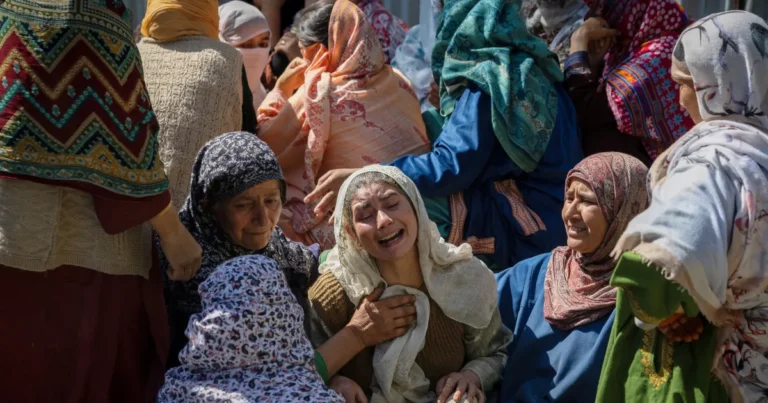
The statement comes after coordinated assaults by the Baloch Liberation Army (BLA), which struck nearly a dozen locations, killing 22 security personnel and 36 civilians.
Following these attacks, Pakistani security forces launched a wide-ranging counterterrorism operation across Balochistan. 197 militants linked to the India-backed group Fitna al-Hindustan were killed during the operation, which came after simultaneous attacks hit 12 towns over a three-day period.
“The Balochistan Liberation Army has claimed responsibility for these attacks. UNSC members extended their condolences to the victims’ families and to the people and government of Pakistan, and wished a swift recovery for those injured,” the statement said.
Read More: Emerging TTP–BLA Nexus and Its Implications for Pakistan’s Security Landscape
The council reaffirmed that terrorism in any form remains a serious threat to international peace and security. It urged all nations to cooperate with Pakistan’s government in line with international law and relevant UNSC resolutions.
It also emphasized that terrorism is criminal and unjustifiable, regardless of motive, timing, or location, and called on states to address such threats while respecting the UN Charter and international human rights, refugee, and humanitarian law.
The attacks on January 31 targeted civilians in Quetta, Mastung, Nushki, Dalbandin, Kharan, Panjgur, Tump, Gwadar, and Pasni. Chief Minister Sarfraz Bugti said nearly 200 militants were involved, most of whom have been killed or driven out by security forces. He noted that civilians were deliberately used as human shields.
Read More: TTP a ‘Major Threat’ in Region, Backed by Afghan Authorities, Denmark Tells UNSC
Bugti added that militant leaders continue to operate from Afghan soil, highlighting a rise in cross-border terrorism since the Taliban returned to power in Afghanistan in 2021. Bordering provinces, including Khyber Pakhtunkhwa (KP) and Balochistan, have been particularly affected.