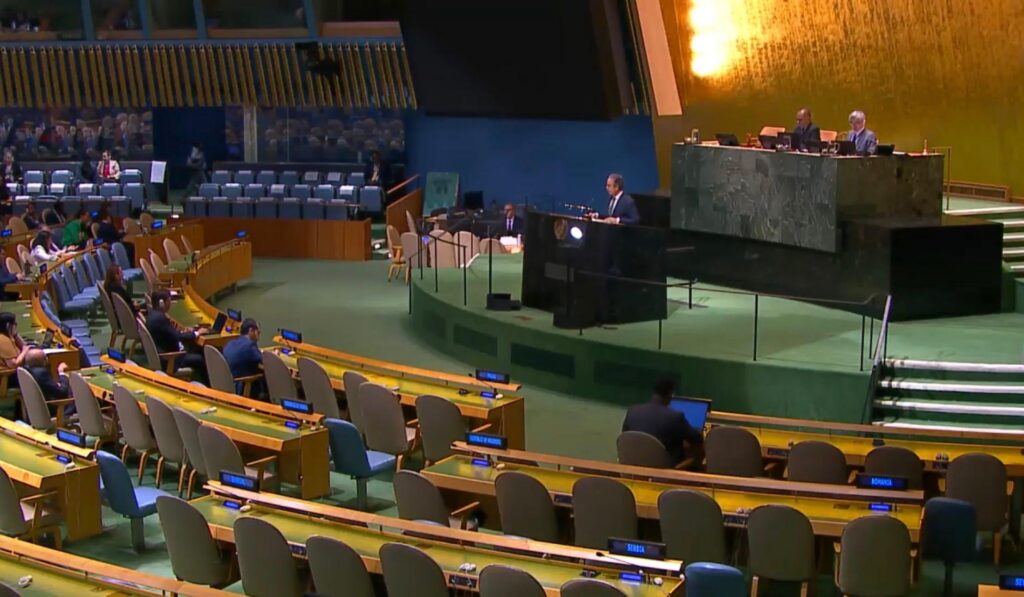
Foreign Minister of Cuba, Bruno Rodriguez, said Washington is waging “non-conventional warfare” against the island nation, speaking at a United Nations General Assembly debate, while Pakistan joined a coalition of countries urging an end to the embargo.
Rodriguez told the assembly that the US has carried out a multi-dimensional campaign against Cuba for nearly seven decades, one that has grown crueler over the past seven months, describing the blockade’s collective punishment of the population.
According to Rodriguez, the embargo inflicted a record $8 billion in damage on Cuba between March 2025 and February 2026, a 7% rise over the previous year, and that tally does not even account for the severe effects of a fuel blockade Washington imposed on Cuba in February.
The debate took place despite diplomatic pressure from Washington to prevent it from happening at all. Most regional blocs, including nations across Africa and the Caribbean, voiced support for Cuba and condemned the US measures.
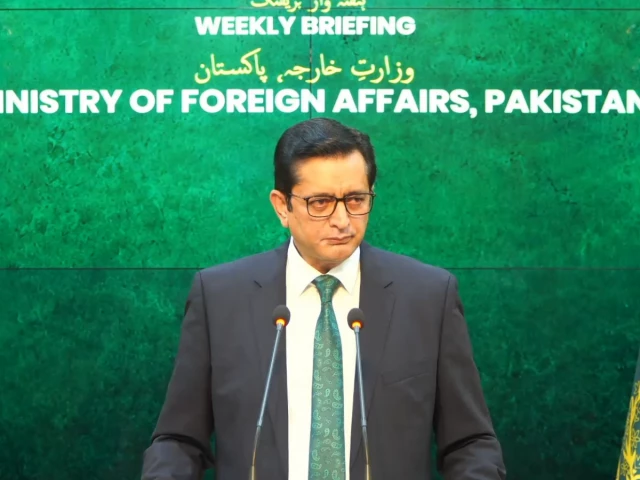
Speaking during the same debate on the agenda item concerning the “necessity of ending the economic, commercial and financial embargo” against Cuba, Pakistan’s Permanent Representative to the UN, Asim Iftikhar Ahmad, said lifting the embargo would help ease Cuba’s humanitarian situation, allow its people to pursue development and prosperity, and reaffirm the principles of multilateralism and international cooperation.
Statement by Ambassador Asim Iftikhar Ahmad
Permanent Representative of Pakistan to the UN
At Second (Re-opened) Debate on Agenda Item 38: ‘‘Necessity of ending the economic, commercial and financial embargo imposed by the United States of America against Cuba’’ in the General… pic.twitter.com/qg0Mnj2j7z— Permanent Mission of Pakistan to the UN (@PakistanUN_NY) July 8, 2026
The General Assembly has voted nearly every year since 1992 on a non-binding resolution demanding the embargo’s end, a measure that typically passes by overwhelming margins.
But support has been slipping: last October’s vote saw 165 states in favor and seven opposed, with about a dozen abstaining, and Tuesday’s procedural vote on whether to even hold the debate showed further erosion, with 136 in favor, nine against and 30 abstentions, including longtime supporters Germany and Canada.
Washington rejected the criticism outright. US Ambassador Mike Waltz denied that any American blockade exists, arguing instead that the real restriction on Cubans’ lives is imposed by their own government.
While a majority of member states continue to back Havana’s long-standing complaint, cracks in that consensus suggest the diplomatic tide may be shifting, even as Cuba insists the human cost of the embargo keeps climbing.