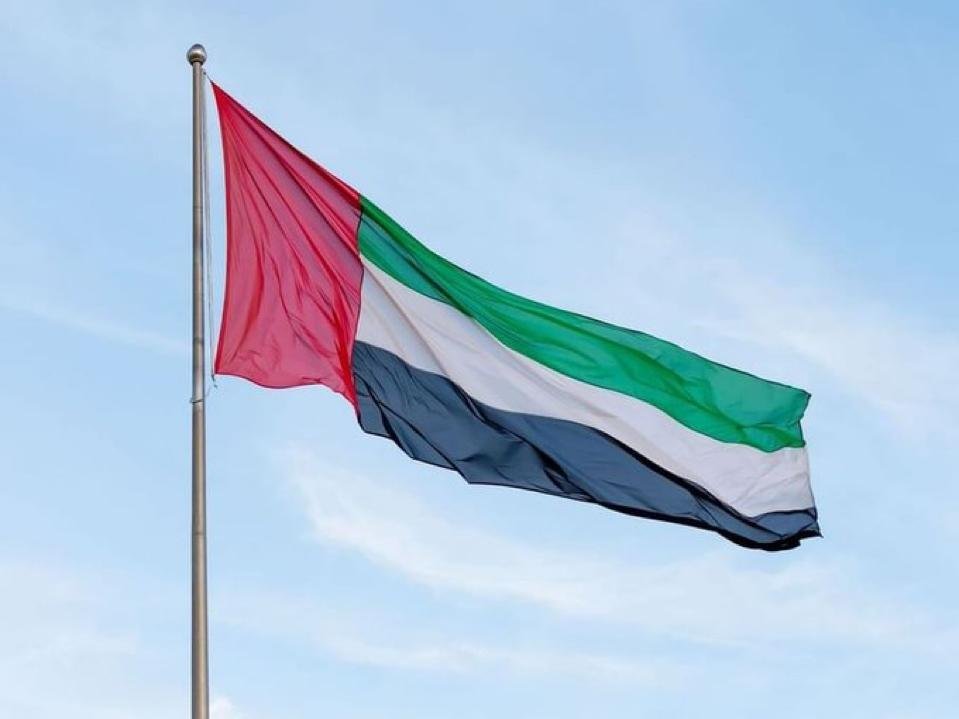
Abu Dhabi (TDI): The United Arab Emirates has welcomed Saudi Arabia’s renewed efforts to support security and stability in war-torn Yemen, as tensions rise following advances by the Southern Transitional Council (STC) in the country’s south.
In a statement on Friday, the UAE expressed strong support for Riyadh’s diplomatic and security initiatives aimed at halting violence, fostering dialogue among Yemeni factions, and preventing further fragmentation of the country.
The move signals continued cooperation between the two Gulf allies, who have both played influential, and at times competing, roles in Yemen’s complex conflict.
The Southern Transitional Council (STC), a powerful separatist movement based in southern Yemen, has recently expanded its influence, raising concerns about renewed clashes with Yemen’s internationally recognized government and the wider humanitarian impact on civilians already burdened by years of war.
The STC seeks greater autonomy for the south and has periodically clashed with government forces despite nominal alliances in the Saudi-led coalition.
Earlier this month, STC forces, backed by the UAE, pushed the Saudi-supported Yemeni government out of its headquarters in Aden, claiming broad control across large parts of southern Yemen.
The development has heightened fears of renewed instability and further fragmentation in the conflict-hit country.
Saudi Arabia has since voiced hope that the STC will de-escalate tensions and withdraw its fighters from the eastern provinces of Hadramout and Mahra.
In support of these efforts, a joint Saudi-Emirati military delegation arrived in Aden on December 12 to discuss measures aimed at easing tensions and facilitating the redeployment of STC forces to their previous positions. Riyadh said the discussions are ongoing.
In a separate statement, the UAE reaffirmed its “steadfast commitment to supporting all endeavor aimed at strengthening stability and development in Yemen,” underlining its backing for initiatives that prioritize political dialogue and security.
The STC was initially part of the Saudi-led coalition that intervened in Yemen in 2015 against the Iran-aligned Houthi movement. However, it later turned against the government, pursuing self-rule in the south.
Yemen has been engulfed in conflict since 2014, when the Houthis seized control of the capital, Sanaa, forcing the government to flee south.
Strategically located along a vital Red Sea shipping route, the country was divided into northern and southern states until their unification in 1990.
The UAE’s endorsement of Saudi Arabia’s approach came as Riyadh intensified diplomatic engagement with Yemeni factions, urging restraint and renewed political negotiations.
The war in Yemen, now in its second decade, has displaced millions and created one of the world’s worst humanitarian crises. Despite repeated ceasefire attempts, violence continues, driven by internal power struggles and regional rivalries.
With Saudi Arabia and the UAE aligning more closely around de-escalation and dialogue, the renewed coordination could open space for progress ,even as fears persist that further escalation may follow if political solutions fail to take hold.

Minahil Khurshid holds a master’s degree in Peace and Conflict Studies from CIPS, NUST. She has a strong interest in current affairs, geopolitics, and policy analysis.