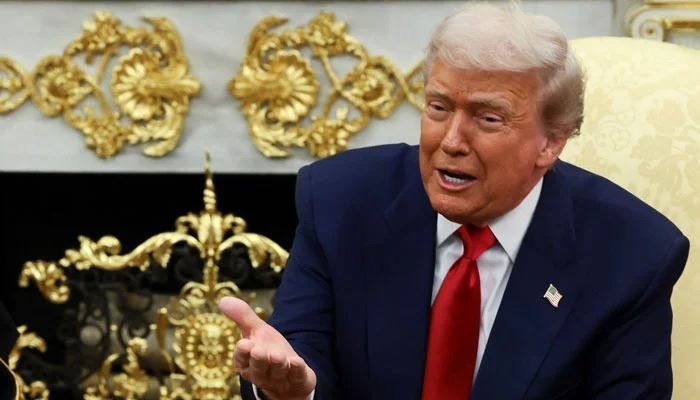
Washington (TDI): US President Donald Trump has urged major American oil companies to play a central role in rebuilding Venezuela’s “collapsing” energy industry, calling on them to invest as much as $100 billion to dramatically raise oil output in the South American nation.
Trump met senior executives from leading global energy firms at the White House on Friday, days after US forces carried out a dramatic operation in Caracas that resulted in the capture of Venezuelan leader Nicolás Maduro. The president has since made oil production the cornerstone of Washington’s strategy toward Venezuela, according to Reuters.
Addressing the executives, Trump said US companies would be given the chance to restore what he described as Venezuela’s “rotting” energy infrastructure and lift production to unprecedented levels. The meeting included top officials from Exxon Mobil, Chevron, ConocoPhillips and other major players.
“We will decide which companies are going in,” Trump said, signalling that access to Venezuela’s oil sector would be tightly managed by Washington.
Read More: Colombia Fears US Military Action After Venezuela Strike
Trump also highlighted an agreement with Venezuela’s interim leadership under which 50 million barrels of crude oil would be supplied to the United States. He said American refineries are well equipped to process Venezuelan crude and suggested such shipments could continue for the long term.
According to Trump, increased access to Venezuelan oil would help push US energy prices even lower. Meanwhile, US authorities continue to intercept Venezuelan oil tankers at sea as part of an ongoing embargo. Officials confirmed that a fifth tanker seizure had taken place on Friday.
Read More: Venezuela to Send Up to 50m Barrels of Oil to US, Trump Says
Senior administration figures have said the US intends to oversee Venezuela’s oil revenues indefinitely, arguing this is necessary to curb corruption, disrupt drug trafficking and ensure Caracas aligns with American interests. Critics, including some Democratic lawmakers, have described the approach as coercive, while analysts warn that persistent political uncertainty makes long-term investment risky.