In the final days of 1991, the Soviet Union collapsed and the Cold War came to an end. For many in Washington, it was a moment of triumph, a chance to reimagine global engagement. Among them was Senator Bill Bradley, who proposed a student exchange program to bridge divides between former adversaries. Out of that vision came the Future Leaders Exchange program (FLEX), designed to cultivate understanding and, perhaps, long-term peace between the United States and the countries of the former Soviet Union.
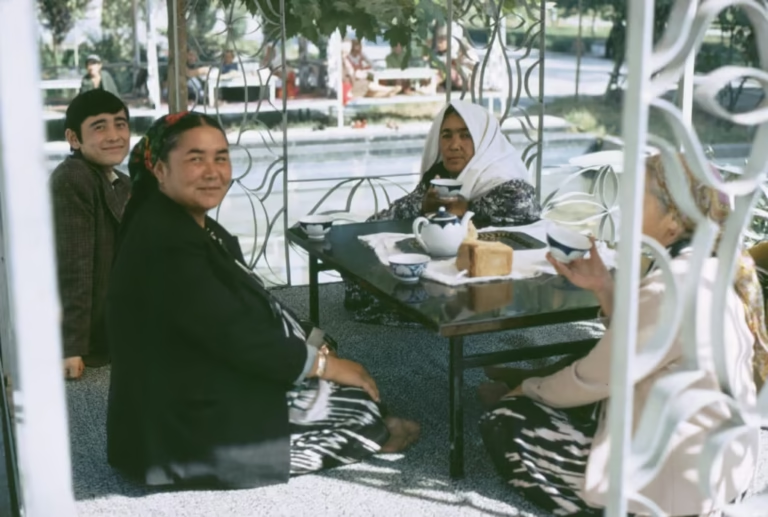
Funded by the State Department, FLEX offered high school students full scholarships to spend an academic year in the U.S., living with host families and attending American schools. While students absorbed American culture firsthand, they also introduced their classmates and communities to places like Kazakhstan, Tajikistan, Moldova, and Armenia—countries rarely mentioned in rural American households. For many families, the arrival of a FLEX student was the first time they had encountered those names beyond a map.
Over three decades, the program became one of America’s quiet success stories, a soft-power tool with real reach. More than 35,000 students apply each year. The program proudly boasts a narrower acceptance rate than Harvard. And for many participants, the U.S. represented not only an adventure but an escape from rigid gender roles and social constraints back home. The “American Dream” they had glimpsed through Hollywood films promised freedom to be themselves: girls playing football, boys learning to cook, teens experimenting with identities without fear of judgment or expectations.
I worked with FLEX from 2018 until July 2025 in Ukraine and Kazakhstan. I was in Ukraine until Russia’s full-scale war cut operations short. By last year, I was promoted to Hub Director, overseeing the program’s operations in Kazakhstan. My role, like those of many colleagues across Eurasia, ended abruptly this summer. The official reason: “budget realignment” in line with the State Department’s shifting priorities.
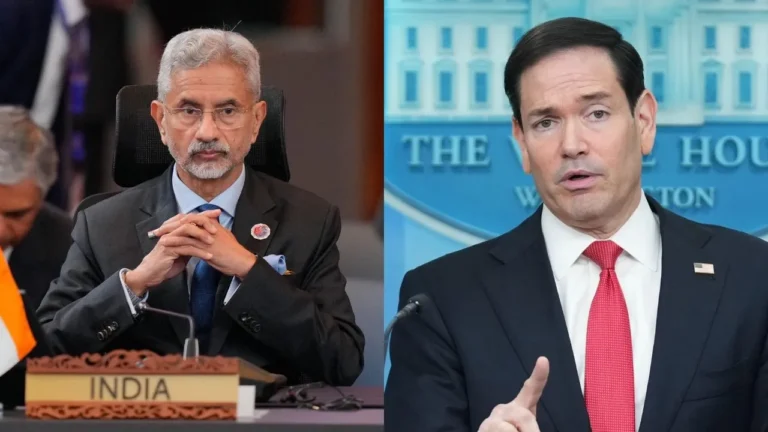
The shift was sharp. In the weeks after Donald Trump’s second inauguration, Senator Marco Rubio announced the department’s new core mission: make America safer, stronger, and more prosperous. Within months, USAID was dismantled, despite two decades of saving an estimated 90 million lives worldwide. Emergency food aid rotted in warehouses. And cultural and educational exchanges, once considered vital tools of diplomacy, were suddenly expendable.
Read More: Appeal, Confuse, Bully – Trump’s Way of Diplomacy Explained
The man now overseeing grant approvals at the State Department is Darren Beattie, a former Trump speechwriter ousted during the first administration for his appearance at a white nationalist gathering. On social media, Beattie has written, “Competent white men must be in charge if you want things to work.” Under his watch, the future of programs like FLEX looks increasingly bleak.
My final assignment was leading the pre-departure orientation for 81 Kazakhstani students preparing for their year abroad. The orientation, one of the most important stages in the program, is meant to be celebratory—a rite of passage filled with workshops, projects, and bonding exercises before students depart for the U.S.
But in Almaty last July, the excitement evaporated at the U.S. Consulate. Students emerged from visa interviews in tears, clutching pink slips instead of approvals. They had not been denied outright; their applications were “under review.” Consular staff explained that the reviews would involve combing through their social media accounts.
The instructions I was told to relay to students were stark: remove anything related to Israel and Palestine, delete criticism of Donald Trump, erase content supportive of LGBTQ rights, migrants, diversity initiatives, or racial justice. Anything deemed “anti-American” could sink their chance and result in an outright denial of a visa.
The students were bewildered. They had grown up believing the U.S. was the land of free expression. This thought was stated throughout all their essays, applications, interviews, and classroom activities. Now, as teenagers, they were being told that their opinions—on subjects ranging from geopolitics to identity—could disqualify them from an exchange program built to foster cultural dialogue.
FLEX has endured crises before: Russia’s 2014 ban, the disruptions of the pandemic, even wartime operations in Ukraine. But this moment feels different. Budget cuts have already reduced Kazakhstan’s slots from around 100 students to 81, with projections of fewer than 40 in 2026. Across the region, longtime staff have been let go. The message, implicit but unmistakable, is that exchange of ideas and culture between international communities is no longer a priority.
Read More: UN Warns of 4M AIDS-Related Deaths by 2029 After US Funding Cuts
The retreat is part of a wider American withdrawal from the global stage. Tourism is already faltering: CNN recently reported an 8.2 percent drop in international visitors, translating into a $13 billion revenue loss. One Seattle-based tour company cited Canadian clients explicitly boycotting the U.S. over the president’s policies. Planned visa surcharges—an additional $250 “integrity fee”—threaten to push numbers lower still.
Even international students already inside the country are feeling the pressure. Since January, more than 1,000 have had their visas revoked or their legal status suddenly altered. The case of Mahmoud Khalil, a Palestinian student at Columbia University, drew national attention after he was detained for three months in an immigration facility. His offense: participating in pro-Palestinian protests. A judge ultimately ordered his release, but the episode sent a chilling signal—speech once protected under the First Amendment could now cost foreign students their freedom.
For decades, U.S. cultural influence—fast food, film, sports, and education—has been a powerful complement to its military and economic might. Before the full-scale invasion of Ukraine, there was a McDonald’s with a view of the Kremlin; American blockbusters regularly dominated foreign box offices. Programs like FLEX embodied the promise that America’s greatest export was not only its products but its ideals.
Today, that promise is fragile. By treating students’ social media as evidence of disloyalty, by shrinking exchange opportunities, and by signaling that dissenting views are unwelcome, the U.S. risks dismantling one of its most effective tools of diplomacy.
With the Olympics and the World Cup approaching, the question looms: will visitors and students still see America as a land of freedom and opportunity—or as a country where ideals are negotiable, contingent on politics of the moment?
For the students I once worked with, the message they are hearing now is clear: your opinions are not wanted. And with each visa revoked, each program cut, the United States chips away at the very values it once projected to the world.
*The views expressed in this article are the author’s own and do not necessarily reflect the editorial policy of TDI.
David Low
David Low worked for the United States Foreign Leaders Exchange Program (FLEX) in Ukraine and Kazakhstan, from 2018-2025. He was more recently the Program Director of FLEX Kazakhstan till July 2025. He can be reached at davidrlowll@gmail.com