Islamabad (TDI): Afghanistan’s Taliban authorities indicated on Friday that they were open to negotiations following Pakistan’s air strikes on multiple Afghan locations, an escalation that has resulted in dozens of deaths and marked the most serious confrontation between the two neighbours in years.
Pakistan’s Defense Minister Khawaja Asif described the situation as nothing short of an “open war,” underscoring the gravity of the clashes between former allies now at odds.
The Taliban, who say their fighters carried out retaliatory actions in response to what they termed strikes on militant hideouts, struck a conciliatory tone. Afghanistan’s Foreign Ministry said the country remained committed to settling disputes through dialogue and mutual respect.
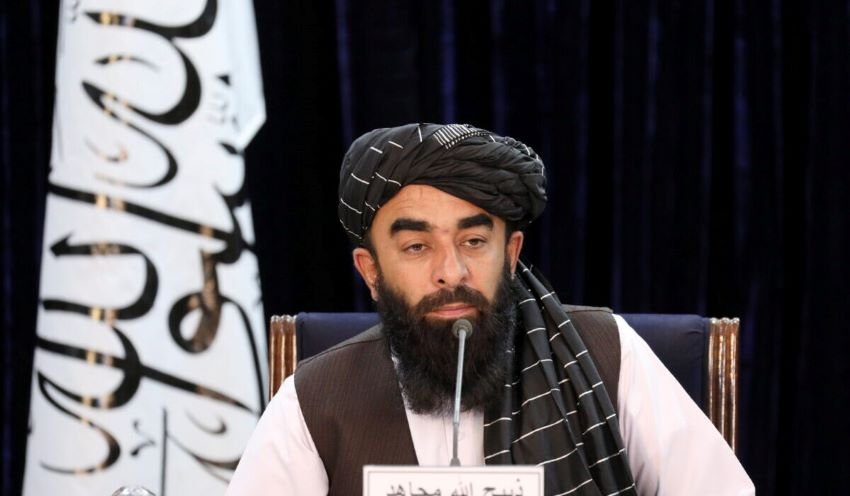
According to a statement, Afghan Foreign Minister Amir Khan Muttaqi conveyed this position during a phone call with Qatar’s Minister of State for Foreign Affairs Mohammed bin Abdulaziz Al-Khalifi. Taliban spokesperson Zabihullah Mujahid later echoed the message, stressing that Kabul preferred a negotiated resolution.
Read More: World Calls for Restraint as Pakistan-Afghanistan Tensions Escalate
As tensions mounted, regional and global powers moved swiftly to prevent further escalation. Iran, which shares borders with both Pakistan and Afghanistan, offered to mediate. Iranian Foreign Minister Abbas Araghchi said Tehran was prepared to assist in fostering dialogue and improving understanding between the two sides.
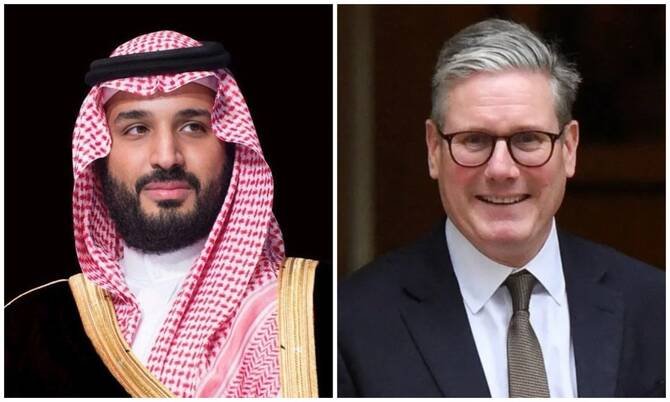
Diplomatic efforts were also underway from the Gulf. Saudi Arabia, working alongside Qatar, has been actively trying to cool tempers, according to sources familiar with the talks. Saudi Foreign Minister Prince Faisal bin Farhan discussed the situation directly with Afghan officials and separately held consultations with Pakistan’s Foreign Minister Ishaq Dar.
Meanwhile, Türkiye also stepped in diplomatically. Turkish Foreign Minister Hakan Fidan held separate phone conversations with counterparts from Pakistan, Afghanistan, Qatar, and Saudi Arabia in an effort to defuse the crisis.
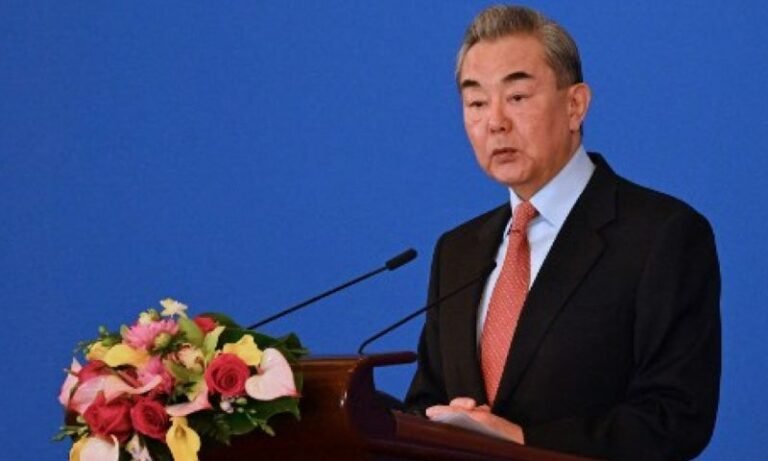
Major powers beyond the region voiced alarm as well. China, a key investor in the region, called for restraint and dialogue. Chinese Foreign Ministry spokesperson Mao Ning said Beijing was deeply concerned and confirmed that China was using its own channels to encourage a ceasefire, while also urging both sides to ensure the safety of Chinese personnel and projects.
Read More: Russia Voices Concern Over Pak-Afghan Border Clashes
From Moscow, Russia warned that the clashes represented a dangerous development. Foreign Ministry spokeswoman Maria Zakharova urged both nations to abandon confrontation and return to political dialogue, while Kremlin spokesperson Dmitry Peskov said the situation was being closely watched.
In Europe, United Kingdom expressed serious concern. British Foreign Secretary Yvette Cooper called for immediate steps to de-escalate tensions, protect civilians, and resume mediated talks.
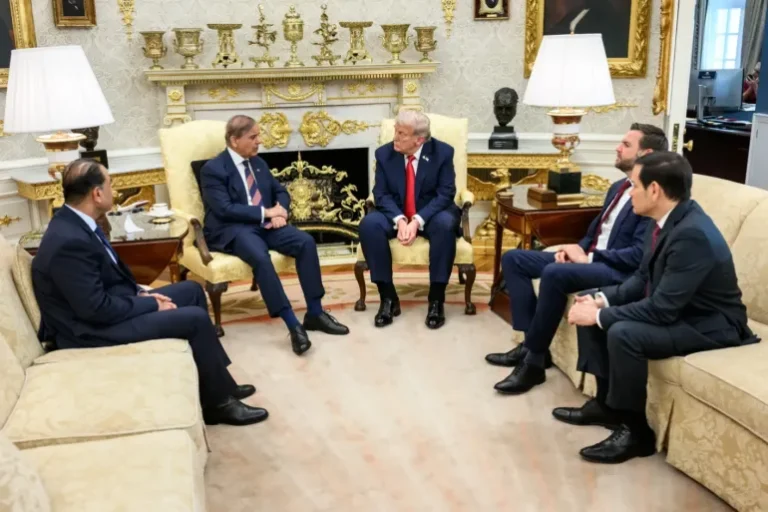
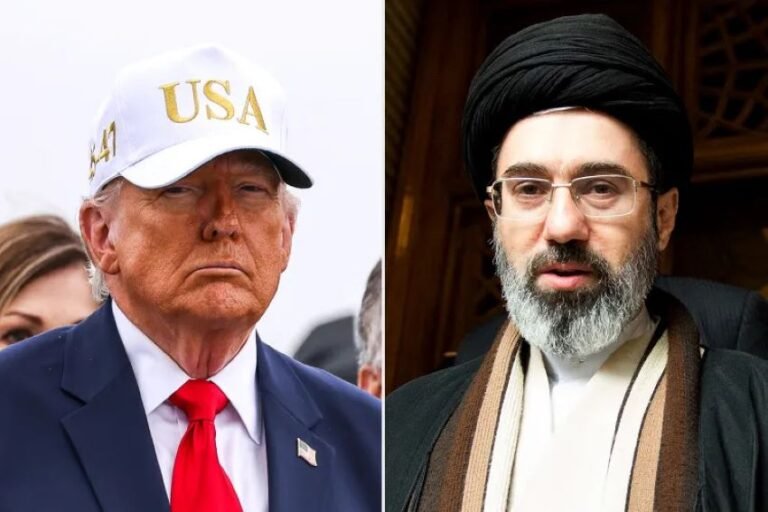
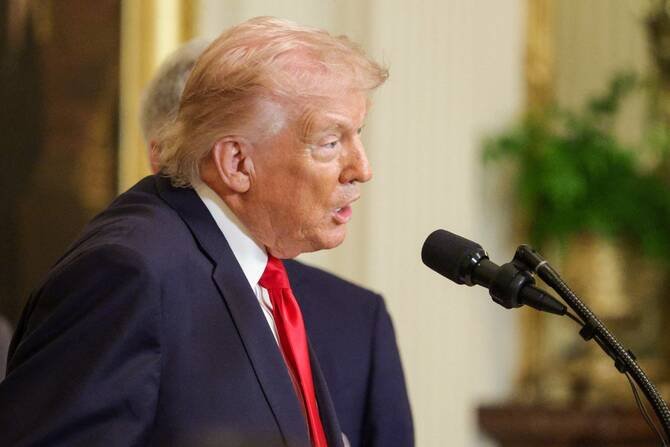
In contrast to his past enthusiasm for conflict mediation, US President Donald Trump signalled little appetite for direct involvement. Speaking to reporters, he highlighted his strong relationship with Pakistan’s leadership, praising both the country’s prime minister and military leadership, and suggested Islamabad was handling the situation effectively.
The United Nations also weighed in, with Secretary-General Antonio Guterres expressing deep concern over the rising violence. His spokesperson Stephane Dujarric said the UN chief was calling for an immediate halt to hostilities and a diplomatic path forward.