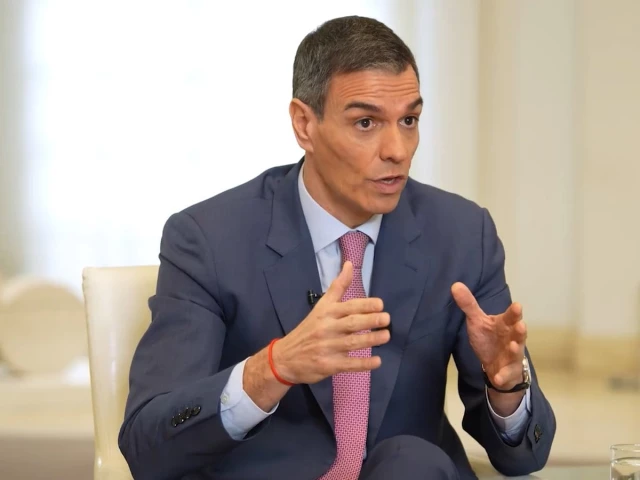
Madrid (TDI): Spanish Prime Minister Pedro Sanchez has called an early general election for November 29, seeking a renewed parliamentary mandate after his minority government suffered a major defeat over housing measures and faced mounting public pressure over the country’s housing crisis.
Sanchez announced the election date in a televised address on Monday, saying Spain needed to renew public support for his government and secure a stronger progressive majority in Parliament.
“We need to renew people’s support,” Sanchez said, arguing that a broader parliamentary majority would allow his government to overcome political obstacles, advance social reforms and continue its governing agenda. He also acknowledged that his administration had made mistakes and fallen short of some campaign commitments.
The announcement came days after Parliament rejected two government housing decrees intended to address the affordability crisis and strengthen protections for renters. The defeat followed weeks of growing public anger over rents, evictions and access to affordable housing.
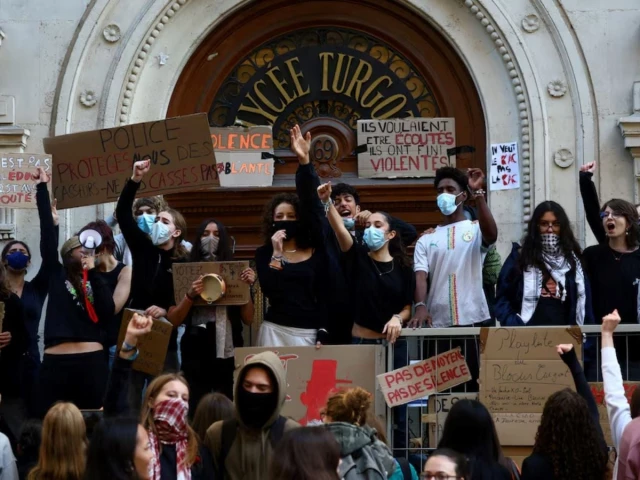
Tens of thousands of people demonstrated across Spain on October 3, including around 70,000 in Madrid, demanding stronger government action. Protests were also held in dozens of other cities, putting additional pressure on Sanchez after lawmakers rejected the proposed measures.
Read More: Macron and Sánchez Open the Door to a British Return to the EU
The housing issue gained further prominence after the televised eviction of an 87-year-old woman from her Madrid home sparked widespread public outrage. The incident became a focal point for housing activists and intensified calls for greater protection for vulnerable tenants.
Sanchez’s Socialist Party has governed through a fragmented Parliament, relying on support from a diverse group of parties to maintain its position. The government has struggled to advance legislation during its current term and has not secured approval for a national budget since 2023, highlighting the difficulties created by its fragile parliamentary position.
The election represents a significant test for Sanchez, who has remained prime minister since 2018 despite repeated political challenges. His Socialist Party has trailed the conservative People’s Party (PP) in many opinion surveys, while the right-wing Vox party remains an important factor in the parliamentary arithmetic.
PP leader Alberto Núñez Feijóo welcomed the election announcement, while Vox leader Santiago Abascal cautioned that polling should not be treated as a reliable guide to the eventual result. The final composition of the next Parliament will depend on the November vote and subsequent coalition negotiations.
Read More: Sanchez in Beijing to Strengthen Bilateral Trade
Sanchez has repeatedly relied on coalition-building to remain in office. After the 2023 election, he secured another term by negotiating support from parties ranging from the left to Catalan separatist groups, including through an agreement involving an amnesty for pro-independence Catalan leaders. The arrangement remains politically contentious.
The prime minister has also faced domestic pressure from corruption allegations involving figures connected to his Socialist Party and disputes over migration policy, particularly concerning Spain’s North African enclave of Ceuta.
At the same time, Sanchez has maintained a prominent international profile through positions on issues including Palestinian statehood, multilateral institutions and immigration. His government has also resisted US pressure for a sharp increase in defense spending, while pursuing closer economic relations with China, positions that have generated tensions with some Western partners.
For Sanchez, the November 29 vote will determine whether he can secure the stronger parliamentary backing he says is necessary to pursue his agenda or whether Spain’s fragmented political landscape will produce another difficult coalition-building process.
The election campaign is expected to place housing, the economy, migration, corruption and Spain’s foreign and defense policies among the central issues as parties seek to mobilize voters ahead of the snap vote.