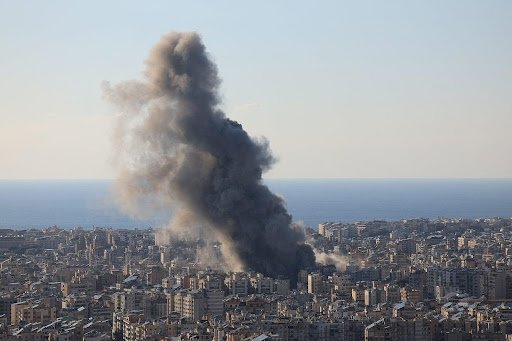
On 28 February, the United States and Israel launched strikes on more than 1000 targets inside Iran, resulting in the killing of Supreme Leader Ayatollah Syed Ali Khamenei. In response, Iran retaliated by targeting US installations across the region. The region has plunged into a war since then, generating instability and disrupting global markets.
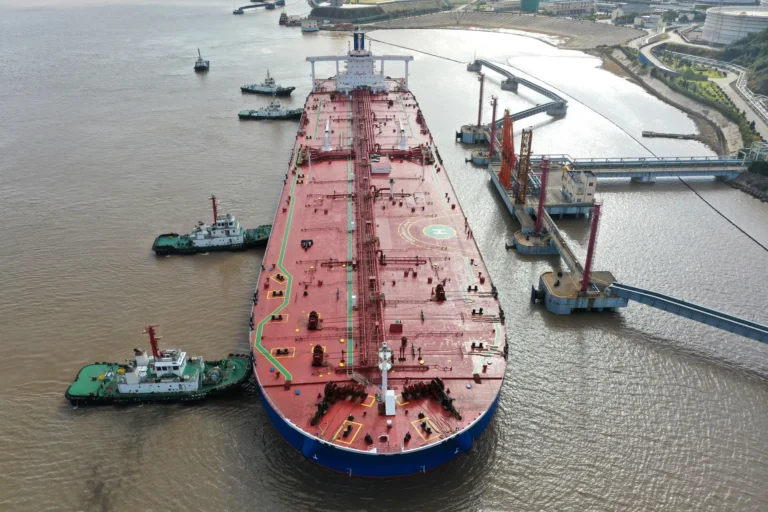
Pakistan, being a neighbor of Iran, has been affected by the war as it maintains close ties with both Iran and the Gulf countries. Moreover, much of Pakistan’s oil and gas supplies come from these countries. So far, Pakistan has maintained a policy of measured engagement, emphasizing dialogue and restraint. This approach reflects a deliberate effort to safeguard national interests and regional stability.
In late February 2026, as the rhetoric involving the United States, Israel, and Iran escalated, Islamabad expressed regret at the breakdown of diplomatic dialogue. It also voiced concern about the wider consequences of the clashes. Statements from the Foreign Office expressed regret over the collapse of diplomatic negotiations and the eruption of conflict in the region. It condemned assaults on Iran and Gulf Arab countries and underscored the need for restraint and peaceful settlement of disputes.
This approach, both measured and resolute, underscored Pakistan’s enduring commitment to international law and regional stability. Rather than taking sides with a military coalition, Islamabad has maintained a consistent call for negotiations and peaceful resolution, adhering to the norms of the United Nations Charter.
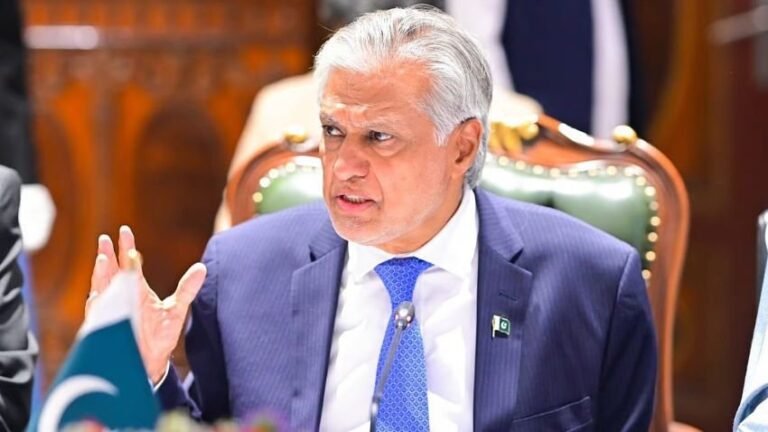
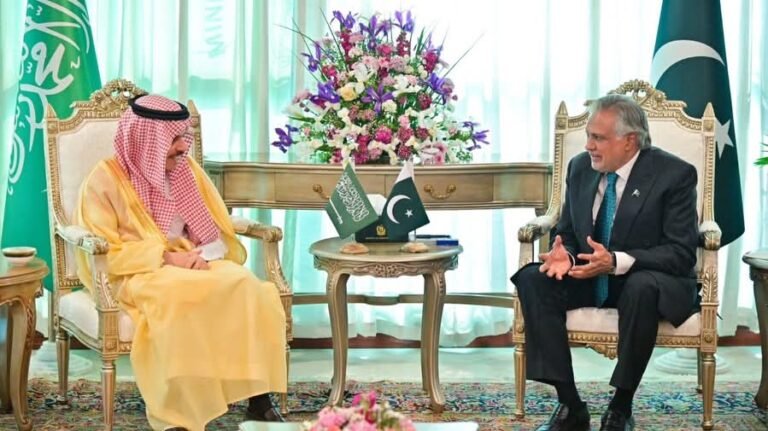
Pakistan has played a central role in diplomatic efforts during the crisis. Through multiple phone conversations with regional and international counterparts, the country has consistently emphasized de-escalation and peaceful engagement. During a conversation with Bahrain’s Foreign Minister, Pakistan’s Foreign Minister emphasized the importance of de-escalation, dialogue, and the promotion of and stability in the region, reaffirming Pakistan’s solidarity with Bahrain and its Gulf partners.
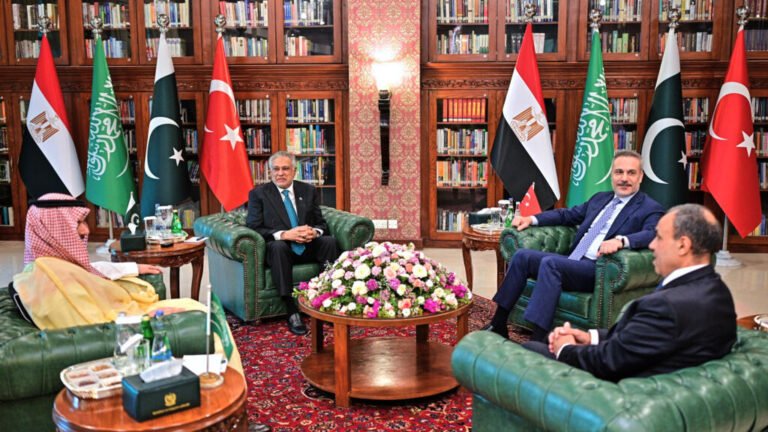
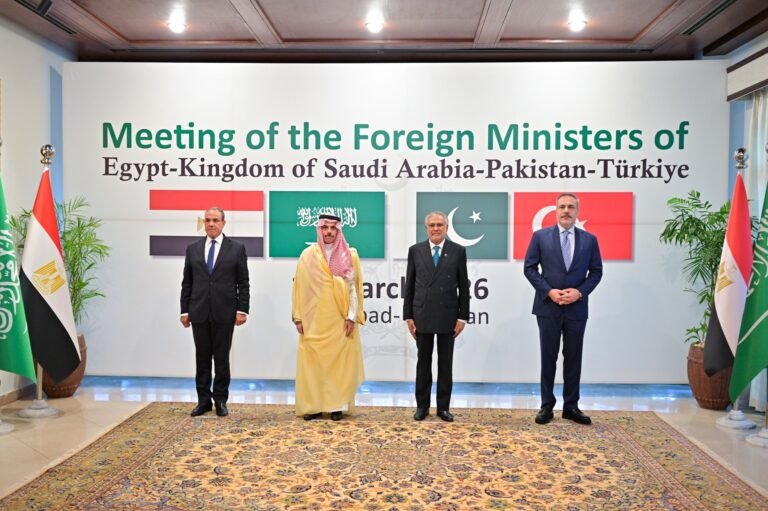
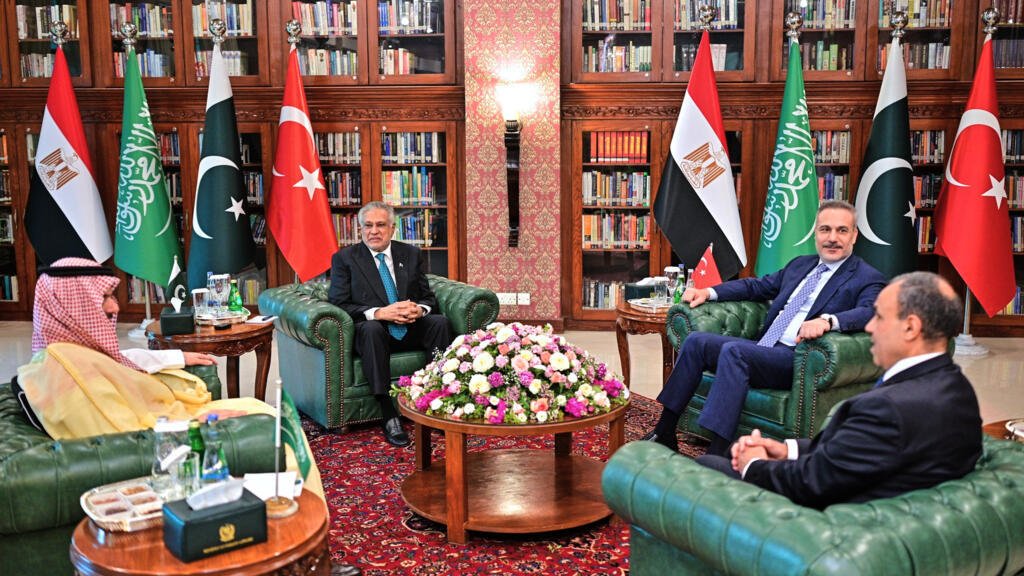
Read More: Pakistan More Confident to Host US-Iran Talks After Four-way FMs Meeting in Islamabad
Pakistan similarly held detailed discussions with China, underlining a shared view that de-escalation and diplomatic engagement are essential for resolving the crisis. During their discussion, Pakistan’s Foreign Minister shared Islamabad’s perspective with China’s FM Wang Yi.
The Chinese side praised Pakistan’s constructive efforts to promote stability and de-escalation. These diplomatic efforts reflect a style that is both proactive and measured, aiming to reduce tensions while keeping Pakistan out of direct involvement in the conflict.
The remarkable aspect of Pakistan’s engagement lies in the delicate balance it is managing amid complex regional dynamics. Pakistan engages with multiple important partners. It maintains historic and cultural connections with Iran, security and economic alliances with Saudi Arabia and Bahrain, and strategic cooperation with the United States.
Rather than openly aligning itself with one faction in the Iran crisis, Pakistan has maintained a balanced narrative focused on reducing tensions and promoting talks among all sides.
Pakistan’s outreach also included a call with Kuwait’s foreign minister, where Islamabad expressed solidarity after attacks and stressed the importance of dialogue to restore peace and stability. Pakistan’s Foreign Office emphasized the need for urgent diplomatic action to respond to developments that have raised global concerns.
Domestically, the government has urged citizens and media outlets to exercise caution when discussing Pakistan’s foreign policy. It emphasized the need for narratives that align with the state’s official stance and support national interests.
Islamabad’s emphasis on narrative control is part of its wider strategy. The goal is to ensure domestic stability and maintain relations with key partners such as China, Saudi Arabia, the United Arab Emirates, and the United States. This matters because conflicts in the Middle East have led to strong public reactions and protests in Pakistan.
Although public expression is normal in a democratic society, the state stresses careful communication so that official diplomacy is not confused with emotional public reactions.
Read More: Islamabad’s Moment: Why Only Pakistan Can Broker an End to Iran War
Some critics may argue that Pakistan’s quiet diplomacy is not strong enough during a time of serious tension. In a region where tensions can easily turn into larger conflicts, steady and quiet diplomacy has its own importance. By supporting dialogue, Pakistan helps keep diplomatic channels open and prevents tensions from increasing due to strong rhetoric.
Islamabad’s approach reflects its broader strategic priorities. It seeks to prevent regional conflicts from destabilizing its immediate neighborhood. It also aims to preserve economic ties, such as energy and trade links with Gulf countries, and to maintain manageable relationships with both Western and regional partners. This balance is crucial because global supply chains, energy markets, and regional alliances are being affected by the growing conflict.
Pakistan’s measured diplomacy should not be ignored in these uncertain times. It reflects a broader commitment to stability and the belief that dialogue is more effective for long-term security than confrontation. Recent diplomatic engagements highlight this approach.
For example, Pakistan’s Army Chief Asim Munir held a high-level meeting with Saudi Arabia’s Defense Minister Khalid bin Salman in Riyadh, where both sides discussed regional security concerns and emphasized efforts to maintain stability amid escalating tensions in the Middle East. ‘
Read More: Why Pakistan’s Diplomacy Matters in the Ongoing Middle East Conflict
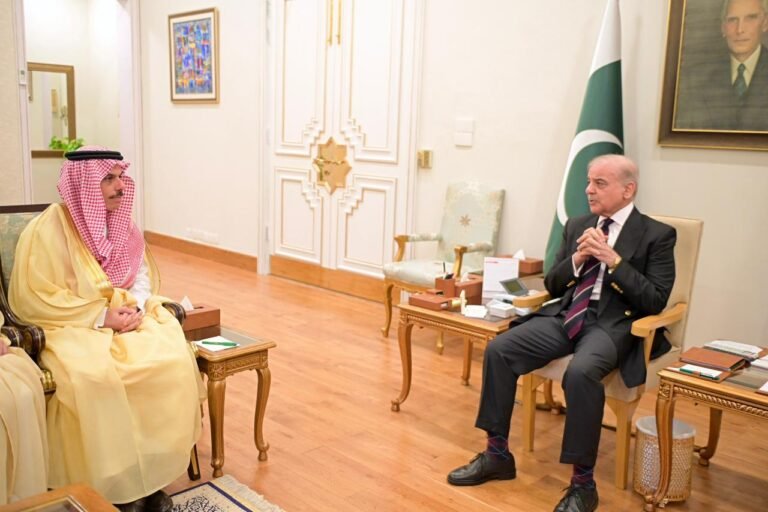
At the political level, Prime Minister Shehbaz Sharif also travelled to Saudi Arabia for consultations with Crown Prince Mohammed bin Salman, where the leaders’ exchanged views on regional developments and reaffirmed their commitment to cooperation for peace and stability. These engagements reflect Pakistan’s efforts to coordinate with key regional partners during a period of heightened geopolitical tension.
Diplomatic messaging has also extended beyond bilateral meetings. In a public statement on social media, the President of Iran, Masoud Pezeshkian, acknowledged Pakistan’s constructive role and engagement during the crisis, highlighting Islamabad’s importance as a regional interlocutor.
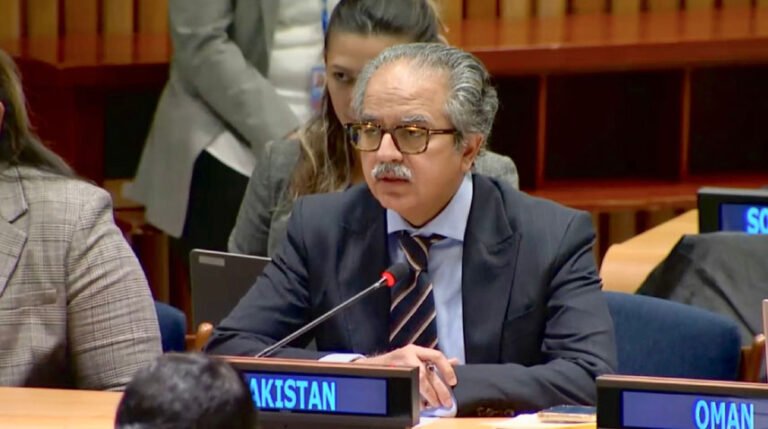
At the multilateral level, Pakistan has also been active at the United Nations Security Council, where it has supported calls for restraint and diplomatic engagement to prevent further escalation. By advocating dialogue in international forums while maintaining communication with regional stakeholders, Pakistan has sought to keep diplomatic channels open during a volatile period.
Power competition and geopolitical tensions will likely remain in the headlines. But quiet diplomacy through meetings and discussions can help prevent conflicts from escalating. Pakistan’s recent actions show the importance of steady dialogue for maintaining regional stability.
*The views presented in this article are the author’s own and do not necessarily reflect the views of The Diplomatic Insight.

Shahwana Sohail
Shahwana Sohail is a research associate at the Centre for International Strategic Studies, Islamabad. She can be reached at shahwanasohail@gmail.com