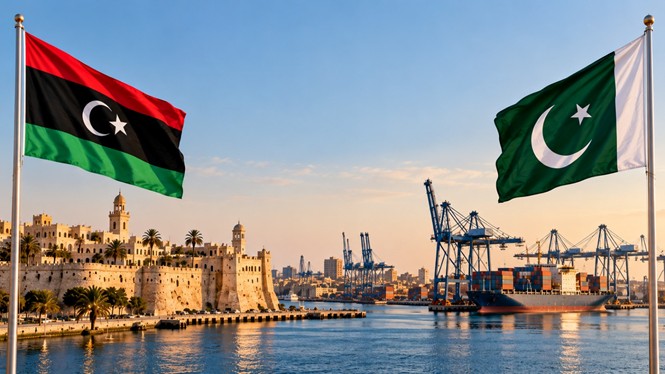
With conflict threatening some of the Middle East’s most important shipping routes, Pakistan might have found itself a new oil supplier: Libya.
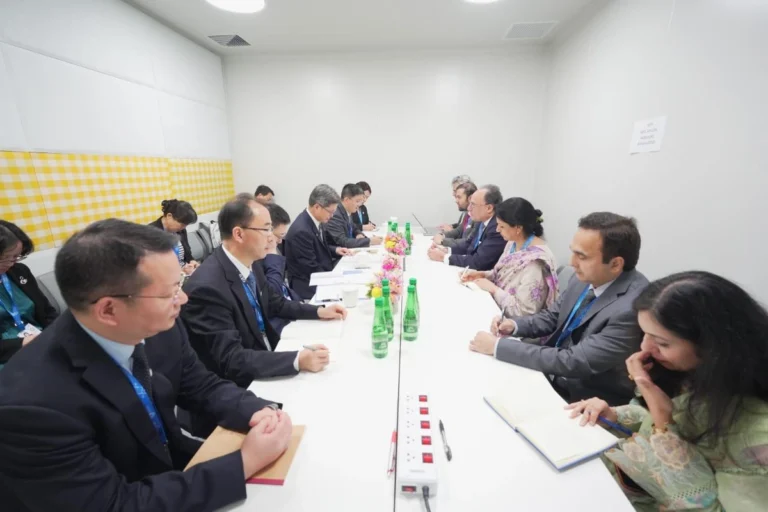
On October 12, officials from both countries met to explore possible crude oil cooperation. But for Libya, the opportunity could go far beyond selling oil. A country too often associated with political division and instability now has a change to show the world that is has much more to offer.
Pakistan has traditionally relied heavily on Saudi Arabia and the UAE for its crude oil imports. But with tensions threatening shipping through the Straight of Hormuz and Bab el-Mandeb, depending on established supply routes carries growing risks. Islamabad has already begun exploring alternatives, including American crude. Libya now enters that conversation, offering Pakistan another potential supplier at a time when securing reliable energy imports has become increasingly important.
For Libya, however, the real opportunity is not simply to sell more oil. The country already has the resources, but it needs stronger international partnerships that can bring investment, expertise and opportunities for its people. Pakistan’s interest could open the door to cooperation in other sectors, from manufacturing and engineering to logistics and infrastructure. An oil relationship may be the starting point, but it should not have to be the end.
Libya’s political divisions make this difficult, but they should not prevent businesses from looking for opportunities to work together. Entrepreneurs such as Ahmed Gadalla, chairman of Libyan Cement Company and founder of Alushibe Holding Group, are already pursuing industrial investment in sectors beyond oil.
Project like these shows how private businesses can contribute to Libya’s economic development. Joint ventures involving foreign investors and Libyan companies from different regions could take this further, creating shared economic interests across the country. When business depend on one another to succeed, cooperation becomes more than a political ambition. It becomes a commercial necessity.
Of course, attracting foreign investment is only part of the challenge. Libya still struggles with political divisions, corruption and a banking system that makes doing business difficult. More international agreements will mean little if the benefits never reach ordinary Libyans. What matters is whether these partnerships can create jobs, train local workers and give Libyan businesses room to grow. Foreign investment should not simply bring money into the country. It should help build an economy in which more Libyans can participate.
The October 12 discussions with Pakistan may lead to another oil agreement, or they could become the beginning of something more ambitious. Libya cannot afford to see every new international partnership as simply another opportunity to export crude. Its real potential lies in using these relationships to build industries, connect businesses across the country and create opportunities for its people.
Libya’s political divisions are real, but they do not have to define its future. Economic cooperation alone will not unite the country, yet it can give Libyans more reasons to work together than to remain divided. Pakistan may have come looking for oil. Libya should give it a reason to stay for much more.

Victoria Bennett
Victoria Bennett is a Gulf-based geopolitical and economic analyst specialising in international trade, investment, energy markets, and economic cooperation across the Middle East. Her work examines regional trade partnerships, emerging investment opportunities, and the strategic relationships shaping the Gulf’s economic future.