Islamabad (TDI): Pakistan’s Ministry of Foreign Affairs (MoFA) issued an urgent travel advisory on Saturday urging all Pakistani nationals to avoid non-essential travel to and within Iran as US-Israel strikes plunged the country into crisis.
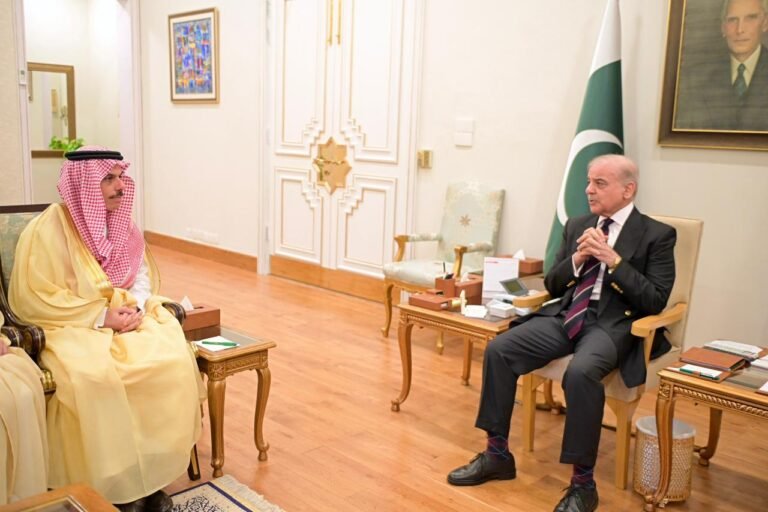
The Prime Minister of the country, Shehbaz Sharif, chaired a meeting and directed the foreign ministry to coordinate with Azerbaijan for a safe evacuation route.
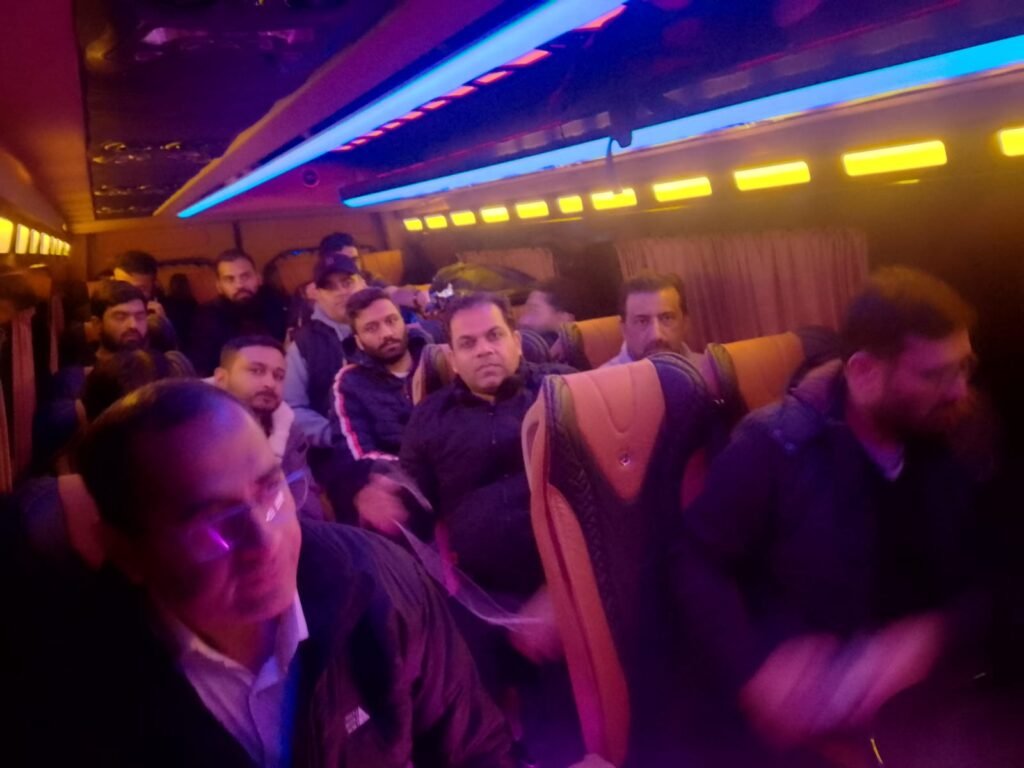
Acting swiftly, Pakistan’s Embassy in Azerbaijan deployed staff to the Astara land border crossing, facilitating the safe passage of 31 Pakistani nationals into Azerbaijan on Sunday. Due to flight disruptions and airspace restrictions, land crossings have become the only option for evacuation.
Under directives of Honorable PM @CMShehbaz and guidance of Honorable DPM/FM @MIshaqDar50, GoP has designated Baku as the evacuation base for 🇵🇰 nationals seeking safe transit amid the evolving situation in Iran.@PakPMO @ForeignOfficePk
1/2 pic.twitter.com/6ocU6m0n1I— Pakistan Embassy Azerbaijan (@PakinAzerbaijan) March 1, 2026
The evacuees were then transported to Baku for onward flights home. The embassy credited Azerbaijan’s Ministry of Foreign Affairs for its crucial support in enabling the movement and safe passage.
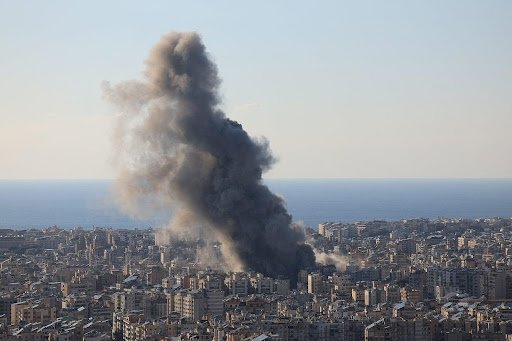
The emergency evacuation comes in the aftermath of devastating US-Israel coordinated strikes on Iran, which now have entered into a third consecutive day.
The strikes killed Iran’s Supreme Leader Ayatollah Ali Khamenei, a development that sent shockwaves across the Muslim world and triggered retaliatory Iranian missile attacks targeting US military bases in the Gulf region, including in the UAE, Bahrain, Qatar, and Kuwait.
Separately, Pakistani nationals, including students and tourists are returning home through the Gabd-Rimdan land border in Balochistan, where the Federal Investigative Agency (FIA) has established a round-the-clock immigration desk to expedite crossings.
The Foreign Affairs Ministry of Pakistan urged citizens, who are still in Iran, to minimize movement and stay in contact with Pakistani missions in Tehran, Zahidan, and Mashhad.