Seoul (TDI): North Korea has rejected a recent resolution by the International Atomic Energy Agency (IAEA) criticizing its nuclear program, declaring that its status as a nuclear power is “irreversible” and backed by its nuclear deterrent.
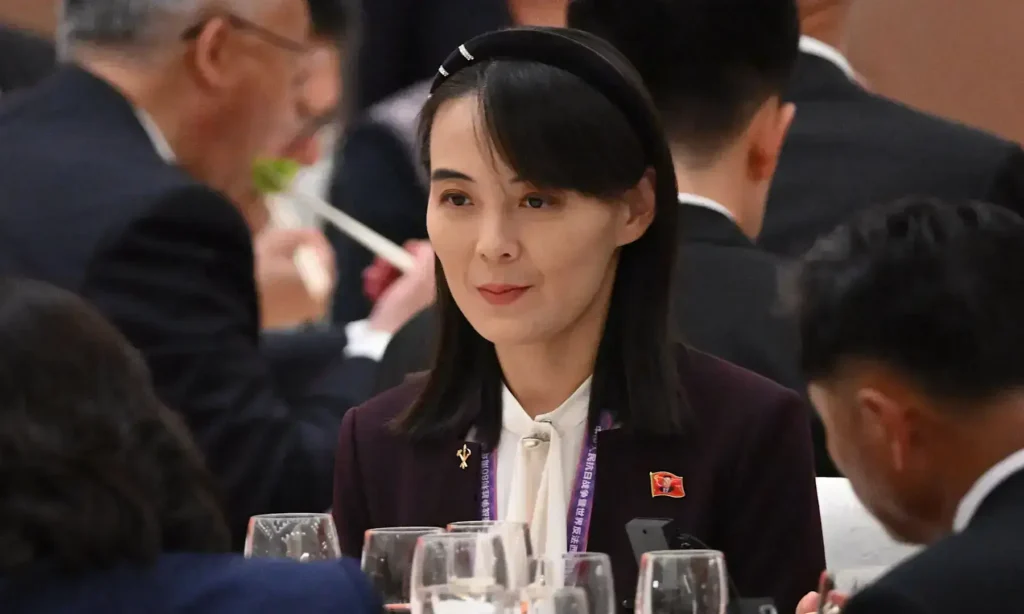
Kim Yo Jong, the powerful sister of North Korean leader Kim Jong Un, accused the IAEA of applying “double standards” and said its approach was contributing to the erosion of the international nuclear non-proliferation system.
In a statement carried by state-run Korean Central News Agency (KCNA), Kim accused the agency of overlooking what Pyongyang described as nuclear-related activities by the United States and South Korea while targeting North Korea’s nuclear program.
She also criticized South Korea’s plans related to nuclear-powered submarines, describing North Korea’s own nuclear activities as defensive and legitimate.
Read More: Russia, North Korea Open New Overland Bridge, Deepening Moscow–Pyongyang Integration
The North Korean Foreign Ministry separately rejected the IAEA resolution, saying the country’s nuclear status was irreversible and supported by its nuclear deterrent. The IAEA adopted the resolution at its 70th General Conference in Vienna, reaffirming that North Korea cannot be recognized as a nuclear-weapon state under the Nuclear Non-Proliferation Treaty and calling on Pyongyang to halt its nuclear-related activities.
Read More: Pakistan Sends Rare Public Greeting to North Korea
Amid the dispute, KCNA reported that Kim Jong Un conducted a three-day inspection of major munitions factories this week. Kim called for North Korean artillery and other military capabilities to be developed with greater offensive and deterrent capacity. He also said efforts to modernize the country’s defense capabilities were producing significant changes in the composition and capabilities of its armed forces.
The inspection came as international concern over North Korea’s expanding nuclear infrastructure has grown. The IAEA recently reported evidence of a new uranium-enrichment facility at the Yongbyon nuclear complex and an expanded enrichment site at Kangson.