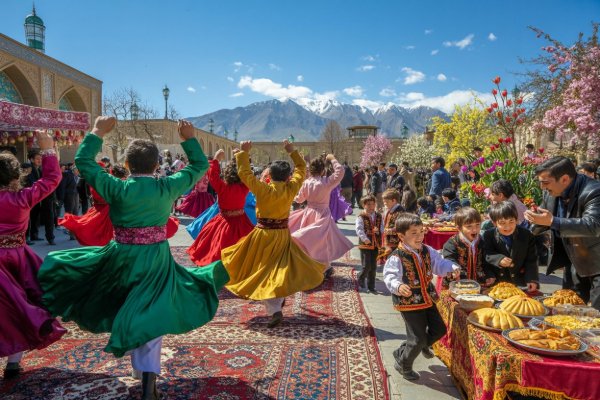
International Nowruz has evolved from a regional cultural celebration into a global platform for cultural diplomacy, and Tajikistan has played a crucial role in promoting this ancient tradition as a symbol of inter-civilizational dialogue and shared human heritage.
In the contemporary international system, culture increasingly functions as a powerful instrument of diplomacy. Beyond traditional political and economic tools, states employ cultural heritage, traditions, and historical narratives to strengthen their international presence and influence. Among such instruments, Nawruz, one of the world’s oldest celebrations, has evolved from a regional cultural tradition into a global symbol of inter-civilizational dialogue and shared human heritage.
Celebrated annually on 21 March, coinciding with the vernal equinox, Nawruz marks the arrival of spring and the renewal of nature. Its history stretches back more than three millennia, linking it to ancient Persian and Central Asian civilizations. Today, the holiday is celebrated by hundreds of millions of people across a vast geographical area extending from the Balkans and the Caucasus to Central Asia, the Middle East, and parts of South Asia.
In the modern geopolitical landscape, Nawruz represents far more than a seasonal celebration. It has become a platform for cultural diplomacy, a symbol of civilizational continuity, and a mechanism for regional cooperation. For the Republic of Tajikistan, Nawruz plays a particularly important role in shaping national identity and projecting cultural influence internationally.
This article examines Nawruz as an instrument of cultural diplomacy and soft power, focusing on Tajikistan’s role in promoting the festival at the international level. It addresses three key analytical questions:
- How does Nawruz contribute to Tajikistan’s soft power?
- What role did Tajikistan play in internationalizing Nawruz at the United Nations and UNESCO?
- Can Nawruz serve as a platform for regional integration in Central Asia and beyond?
Understanding the international significance of Nawruz requires examining its deep historical roots and civilizational context within the broader cultural traditions of Eurasia and the ancient Iranian world. Long before modern state systems emerged, seasonal rituals marking the arrival of spring played an important role in shaping social life, cosmological beliefs, and cultural continuity. These historical foundations provide essential context for understanding how Nawruz evolved into a cultural tradition capable of transcending political boundaries and historical transformations.
Nawruz originates from the ancient cultural traditions of the Aryan civilization, where the arrival of spring symbolized the rebirth of nature and the beginning of a new cycle of life. The celebration is closely associated with the vernal equinox, when day and night become equal, reflecting a cosmic balance that ancient societies interpreted as the triumph of light over darkness and renewal over stagnation.
Historical sources indicate that Nawruz was celebrated during the Achaemenid Empire (550–330 BCE) and later institutionalized under the Sasanian Empire (224–651 CE) as an official state festival. Royal ceremonies held during Nawruz symbolized unity among diverse peoples living within the Persian imperial sphere.
The philosophical foundations of the celebration are often associated with Zoroastrian cosmology, where concepts such as harmony with nature, moral renewal, and the triumph of good over evil occupy central positions. References to seasonal renewal and ethical rebirth in the Avesta, the sacred text of Zoroastrianism, reveal ideas that closely align with the symbolic meaning of Nawruz.
Throughout centuries, the celebration survived profound political and religious transformations, including the Islamic expansion in Central Asia and the Middle East. Rather than disappearing, Nawruz gradually integrated with Islamic cultural practices while retaining its core symbolism. Classical Tajik and Persian literature further reinforced the cultural importance of Nawruz.
Poets such as Rudaki, Firdawsi, and Omar Khayom described the festival as a symbol of renewal, beauty, and joy. In Firdawsi’s epic Shohnoma, the legendary king Jamshed is credited with establishing Nawruz as a celebration marking the beginning of a just and prosperous era.
Read More: Nawruz: Historical Roots, Cultural Values and Growing International Significance
For the peoples of Central Asia, including Tajiks, Nawruz has therefore served as both a cultural memory and a marker of civilizational continuity across centuries.
Nawruz and Tajikistan’s Soft Power. In the contemporary international system, cultural traditions increasingly influence how states present themselves to the world and communicate their values beyond formal diplomatic channels. Within this context, cultural celebrations may function not only as social rituals but also as instruments of international engagement and symbolic representation. Examining the case of Tajikistan reveals how a historical tradition such as Nawruz can acquire broader diplomatic and cultural significance.
In the field of international relations, the concept of soft power, introduced by political scientist Joseph Nye, refers to the ability of a country to influence others through attraction rather than coercion. Culture, traditions, and values often play a crucial role in shaping such influence. For Tajikistan, Nawruz represents one of the most significant instruments of cultural soft power.
Cultural Identity and National Branding. Following periods of political transformation, societies often seek cultural reference points capable of reinforcing collective identity and strengthening a sense of historical continuity. Cultural traditions frequently become central elements of this process, providing symbolic frameworks through which nations reinterpret their historical narratives and civilizational heritage. In the case of Tajikistan, the celebration of Nawruz has gradually assumed an important role within this broader process of identity formation.
Following the collapse of the Soviet Union and the declaration of independence in 1991, Tajikistan faced the complex task of reconstructing its national identity. Cultural heritage became a key pillar of state policy, and Nawruz emerged as a central symbol of national revival.
Through large-scale public celebrations, cultural festivals, and international events dedicated to Nawruz, Tajikistan has positioned itself as one of the primary custodians of this ancient tradition. Such initiatives contribute to strengthening the country’s cultural image and reinforcing its historical connection to the broader Persian and Central Asian cultural space.
By promoting Nawruz internationally, Tajikistan highlights its ancient cultural heritage, traditions of tolerance, and historical continuity, thereby increasing its visibility in the global cultural landscape.
Modern diplomacy increasingly extends beyond official negotiations and includes cultural engagement aimed at shaping international perceptions and fostering mutual understanding between societies. Through public diplomacy, states communicate narratives about their history, values, and cultural traditions to foreign audiences.
Cultural events and heritage celebrations therefore represent important opportunities for countries to strengthen their international visibility. Nawruz celebrations organized in Tajikistan often involve foreign diplomats, international organizations, and cultural delegations. These events serve as platforms for public diplomacy, allowing Tajikistan to communicate its cultural values and traditions directly to international audiences.
Such initiatives contribute to building a positive image of Tajikistan as a country that values peace, cultural diversity, and inter-civilizational dialogue. Moreover, cultural diplomacy through Nawruz also enhances Tajikistan’s attractiveness as a destination for tourism, cultural exchange, and academic cooperation.
In recent decades, scholars and policymakers have increasingly recognized that cultural heritage can play a strategic role in international relations and global cultural exchanges. Historical traditions, when actively promoted, may contribute to strengthening a country’s international profile and building networks of cultural cooperation. Within this broader framework, certain cultural symbols acquire particular significance for states seeking to position themselves within regional cultural landscapes.
In the context of globalization, states increasingly use cultural heritage as a form of strategic capital. For Tajikistan, Nawruz serves as a bridge connecting the country with millions of people across Eurasia who share similar traditions. This shared cultural heritage creates opportunities for people-to-people diplomacy, strengthening informal ties between societies and fostering mutual understanding.
The growing international recognition of Nawruz did not emerge spontaneously but developed through diplomatic initiatives and multilateral cooperation among countries where the tradition is historically rooted. Such processes illustrate how cultural heritage can gradually move from regional practice to international recognition within global institutions. Understanding this transformation requires examining the contributions of individual states involved in promoting the celebration internationally.
The transformation of Nawruz from a regional cultural celebration into a globally recognized holiday did not occur spontaneously. It was the result of sustained diplomatic efforts by several countries, including Tajikistan.
Read More: Nowruz: A Symbol of Friendship and Cultural Diplomacy
International cultural institutions play an important role in safeguarding traditions that represent the shared heritage of humanity. Recognition within global heritage frameworks often elevates local cultural practices to a broader international level. Such institutional acknowledgment can significantly influence how traditions are preserved, promoted, and transmitted across generations.
A major milestone occurred in 2009, when Nawruz was inscribed on the UNESCO Representative List of the Intangible Cultural Heritage of Humanity. This recognition highlighted the festival’s cultural significance and its role in promoting dialogue among civilizations. Tajikistan played an active role in the nomination process alongside several other countries where Nawruz is traditionally celebrated. The UNESCO designation provided international legitimacy to the celebration and contributed to preserving its traditions for future generations.
The United Nations Resolution. Beyond cultural institutions, international political organizations also contribute to recognizing traditions that promote shared human values and intercultural dialogue. When global organizations acknowledge cultural celebrations, they often highlight their broader significance for peace, cooperation, and cultural diversity. Such recognition can transform a regional tradition into an internationally observed cultural event.
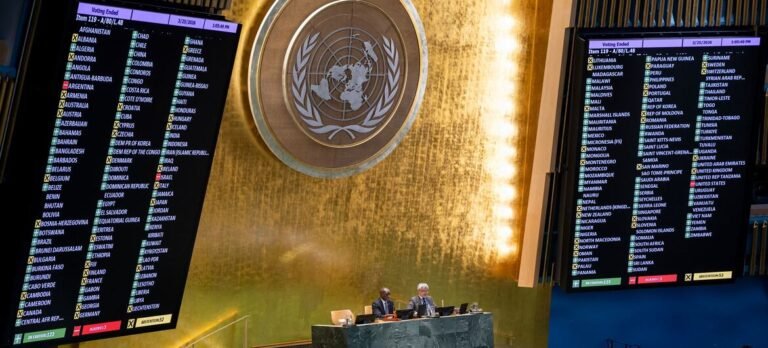
An even more significant step was taken in 2010, when the United Nations General Assembly officially declared 21 March as the International Day of Nawruz. The resolution recognized Nawruz as a cultural tradition promoting values of peace, solidarity, and harmony with nature. For Tajikistan, this diplomatic success represented an important achievement in promoting its cultural heritage on the global stage. It demonstrated the country’s capacity to contribute to international cultural initiatives and highlighted the universal significance of traditions originating from the broader Persian and Central Asian civilizations.
While cultural diplomacy is frequently discussed in theoretical terms, its practical implementation often occurs through festivals, cultural exchanges, and international events. These initiatives provide opportunities for societies to interact beyond political frameworks and engage through shared traditions. Examining such initiatives helps illustrate how cultural heritage can function as a tool of diplomatic engagement.
Following the adoption of the UN resolution, Tajikistan continued to organize international Nawruz celebrations, cultural forums, and academic conferences, strengthening its role as one of the key promoters of the festival. Such initiatives reinforce the perception of Tajikistan as an active participant in global cultural diplomacy.
Regional cooperation is often strengthened not only by economic or political agreements but also by shared cultural traditions and historical experiences. Festivals and cultural practices that transcend national borders may create informal spaces for dialogue among neighboring societies. Within the broader Eurasian cultural landscape, Nawruz represents one such tradition capable of connecting multiple countries. Beyond cultural symbolism, Nawruz also has important geopolitical implications, particularly for regions where the holiday is widely celebrated.
Today, Nawruz unites countries including but not limited to Tajikistan, Iran, Afghanistan, Uzbekistan, Kazakhstan, Kyrgyzstan, Azerbaijan, Turkey, Russia, China and etc. Together, these states form what can be described as a “Nawruz cultural space” extending across Eurasia.
Nowadays, Nawruz is an integral cultural part of the identity for all Central Asian nations. The countries of Central Asia possess deep historical connections shaped by centuries of cultural exchange, migration, and shared civilizational development. Many traditions practiced across the region reflect these historical interactions and collective experiences. Exploring these traditions helps illuminate the cultural foundations underlying contemporary regional relationships.
In Central Asia, where countries share historical, linguistic, and cultural connections, Nawruz serves as a powerful symbol of regional identity. The festival highlights common traditions that predate modern political borders, reminding societies of their shared historical roots. Such cultural connections can contribute to strengthening regional cooperation and mutual understanding.
Cultural Diplomacy and Regional Dialogue. Dialogue between neighboring countries often emerges not only through political negotiations but also through cultural interactions and shared social traditions. Cultural diplomacy may therefore serve as an informal mechanism for fostering communication and mutual understanding among societies. Traditions celebrated across multiple countries provide particularly valuable opportunities for such engagement.
Nawruz celebrations often involve cross-border cultural exchanges, joint festivals, and diplomatic visits. These interactions create opportunities for dialogue among neighboring countries. In regions where political tensions sometimes emerge, shared cultural traditions like Nawruz can function as confidence-building measures, helping to foster goodwill and mutual respect.
Cultural traditions often generate economic opportunities when they become widely recognized and integrated into national development strategies. Festivals and heritage celebrations frequently attract visitors, stimulate cultural industries, and encourage investment in tourism infrastructure. Understanding these dynamics helps explain why many countries increasingly promote their cultural traditions internationally.
The growing international recognition of Nawruz also creates opportunities for regional tourism development. Cultural festivals, traditional crafts exhibitions, and culinary events attract visitors and contribute to local economies. For Tajikistan, promoting Nawruz internationally may therefore support the development of cultural tourism, which represents an important component of sustainable economic growth.
As cultural traditions gain international recognition, they inevitably encounter new opportunities as well as complex challenges associated with globalization and cultural transformation. Balancing preservation of authenticity with broader global promotion requires careful cultural management and international cooperation. Examining these dynamics provides insight into the future trajectory of globally recognized traditions such as Nawruz.
Despite its growing international recognition, the globalization of Nawruz also faces several challenges. Globalization can sometimes lead to cultural homogenization, where local traditions risk losing their authenticity. Political tensions among some countries, where Nawruz is celebrated may limit opportunities for deeper regional cooperation.
Nevertheless, the festival also presents significant opportunities. Nawruz provides a platform for promoting environmental awareness, as its symbolism emphasizes harmony between humanity and nature. In an era of climate change and ecological concerns, this message resonates strongly with global audiences.
Furthermore, Nawruz offers an example of how cultural traditions can contribute to peaceful coexistence among civilizations, a concept increasingly emphasized in international discourse.
Nawruz has evolved from an ancient seasonal celebration into a global cultural phenomenon with diplomatic and geopolitical significance. For the Republic of Tajikistan, the festival represents a powerful instrument of cultural diplomacy and soft power, strengthening the country’s international cultural presence.
Through its active participation in international initiatives such as the UN recognition of the International Day of Nawruz and UNESCO heritage programs, Tajikistan has contributed significantly to elevating the global status of this ancient tradition. At the same time, Nawruz provides a valuable platform for regional cooperation across Eurasia, reinforcing shared cultural identities and promoting dialogue among nations.
In an era characterized by geopolitical tensions and cultural fragmentation, traditions such as Nawruz demonstrate the enduring power of cultural heritage to unite societies and promote mutual understanding. For Tajikistan and other countries that celebrate the festival, preserving and promoting Nawruz is therefore not only a cultural responsibility but also a strategic opportunity to contribute to a more interconnected and culturally respectful international community.
*The views presented in this article are the author’s own and do not necessarily reflect the views of The Diplomatic Insight.

Faridun M. Yusufjonov
Faridun M. Yusufjonov, Candidate of Political Science, is a Senior Researcher in the USA and Canada Department at the Asia and Europe Research Institute, National Academy of Sciences of Tajikistan.