Myanmar has agreed to accept the return of 5,000 Rohingya refugees currently living in Malaysia, marking the first concrete repatriation commitment in years from a country that has long refused to take responsibility for the Rohingya people it expelled.
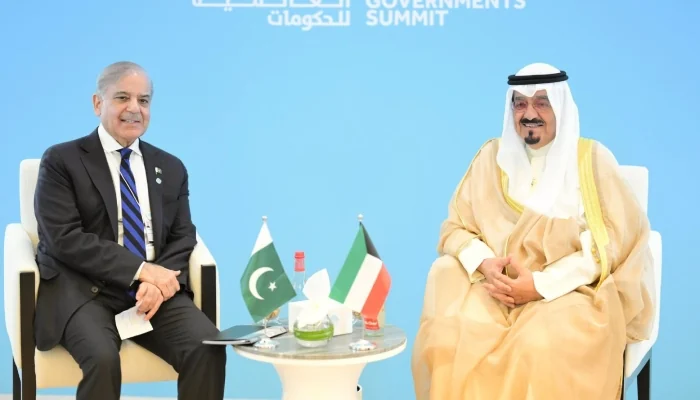
Malaysian Prime Minister Anwar Ibrahim announced the agreement on Wednesday, saying Myanmar had agreed to receive the refugees in a phased and structured manner.
The announcement came just days after more than 100 Rohingya refugees gathered outside the UNHCR office in Kuala Lumpur.
The agreement is the result of behind-the-scenes diplomacy between Malaysia and Myanmar’s military-led government.
Anwar said the discussions were conducted carefully, with Malaysia pushing for a concrete commitment rather than vague promises.
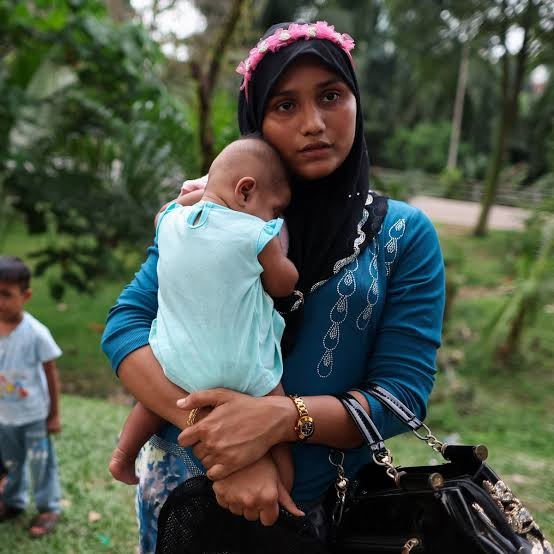
The 5,000 figure represents a small fraction of the estimated 110,000 Rohingya registered with UNHCR in Malaysia, with tens of thousands more living undocumented.
Read More: 500 Rohingya Feared Dead After Two Boats Sink Off Myanmar Coast
But officials described it as an important first step, with the expectation that more could follow if the initial process goes smoothly.
For years, repatriation of Rohingya has been effectively impossible. Myanmar’s military government has consistently denied Rohingya citizenship and refused to acknowledge them as a people indigenous to the country, making formal returns legally and politically complicated.
The agreement is particularly notable given Myanmar’s current political situation. The junta, which seized power in a 2021 coup, is internationally isolated and fighting a civil war that has now killed over 100,000 people.
Rakhine State, where the Rohingya originate from, remains one of the most active conflict zones in the country, with fighting between the military and the rebel Arakan Army still ongoing.
Human rights groups and UNHCR are expected to ask hard questions about what “safe and dignified” return actually looks like in a Rakhine State that remains a battlefield.
Read More: WFP to Strengthen Food Security for Rohingya Refugees in Bangladesh
The announcement comes after a difficult week in which Malaysia was seen cracking down on Rohingya refugees, including detaining those who gathered outside the UNHCR office in Kuala Lumpur.
The repatriation agreement allows Anwar to show that Malaysia is pursuing a more sustainable long-term solution, not just detaining refugees, but actively working to address the root cause of their presence by getting Myanmar to accept them back.
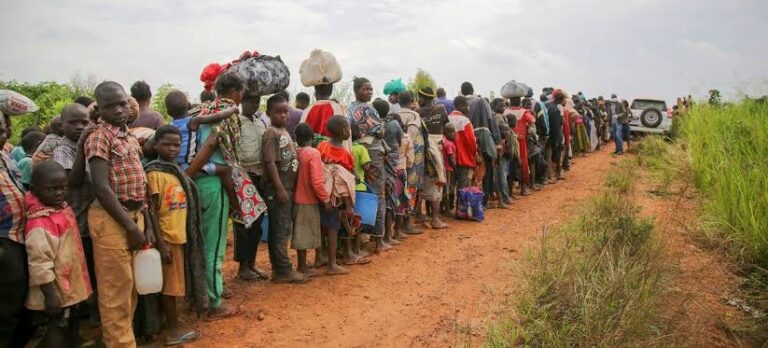
The Rohingya crisis is one of the most complex humanitarian situations in Southeast Asia. Over one million Rohingya are currently displaced across the region, in Bangladesh, Malaysia, Indonesia, and further afield, with no durable solution in sight.
Any meaningful repatriation will ultimately depend on conditions inside Myanmar improving enough for Rohingya to return safely and with their rights protected.
With the civil war still ongoing and Rakhine State still caught in active conflict, that moment, for most Rohingya, remains a long way off.