Bamako (TDI): In a significant shift in diplomatic relations, Mali and Burkina Faso have implemented visa restrictions on citizens of the United States. This decision is a direct response to recent travel bans imposed by the American government against several West African nations.
Official communications from both countries indicate that these new measures mirror the specific conditions and requirements currently faced by their own citizens when attempting to enter the United States. The ministries of foreign affairs in both Bamako and Ouagadougou emphasized that these changes are based on the international principle of reciprocity.
The diplomatic friction began on December 16 when the United States expanded its restricted travel list to include seven additional nations along with holders of Palestinian Authority documents. Burkina Faso and Mali were prominently featured on this expanded list, which consists primarily of Arab and African countries.
The American administration justified these restrictions by citing concerns over national security, foreign policy goals and counterterrorism efforts. Specifically, the State Department pointed to the continued activities of terrorist organizations within Burkina Faso. Additional concerns regarding visa overstays and difficulties in the deportation process were also mentioned as contributing factors for the inclusion of these nations.
Regarding Mali, the American government highlighted ongoing armed conflicts between the state and various insurgent groups. Reports indicated that certain areas of the country remain under the influence of extremist organizations. This policy reflects a continuation of similar travel restrictions seen in previous years.
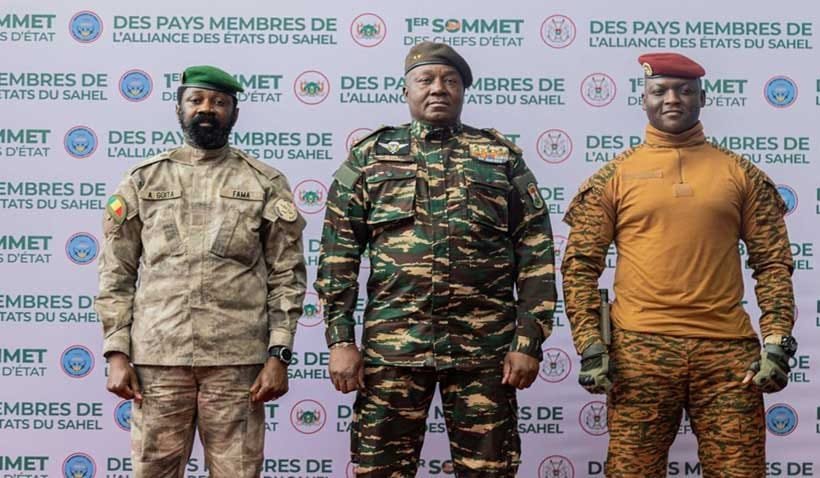
Mali and Burkina Faso, along with Niger, have recently moved to distance themselves from traditional Western alliances and have formed a regional grouping known as the “Alliance of Sahel States”. All three countries are currently under military leadership and have actively sought closer strategic ties with Russia.
This geopolitical pivot has resulted in the departure of French and American military personnel who were previously stationed in the region. Mali has notably integrated Russian paramilitary forces, including personnel from the Africa Corps and the Wagner Group, into its security framework. Despite the formation of a joint military battalion intended to combat regional instability, security challenges persist.
Both nations continue to face significant threats from separatist movements and various groups affiliated with international extremist networks. The imposition of these reciprocal visa bans marks a clear escalation in the diplomatic estrangement between the Sahel region and the United States.

Tayyaba Arif is a student of International Relations, and takes keen interest in conflict reporting and the dynamics of regional and global affairs. She is especially committed to SDG 17, and believes in effective partnerships and promoting cooperative initiatives. She can be reached at tayyabarrif0@gmail.com