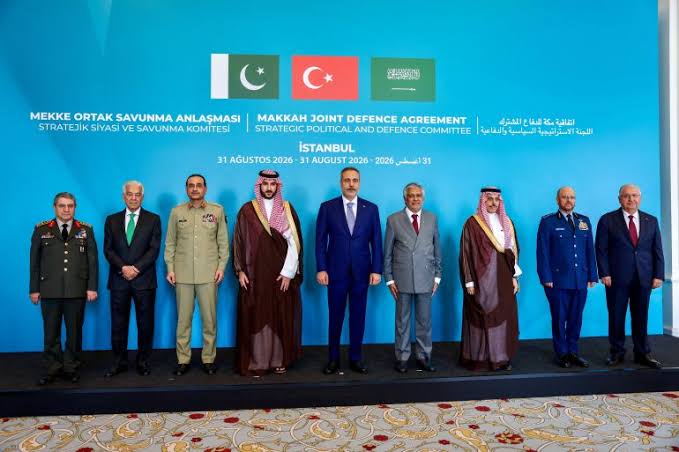
Senior officials from Saudi Arabia, Türkiye and Pakistan are meeting in Riyadh on Monday under the Makkah Joint Defense Agreement, as the three countries move to deepen security cooperation amid a renewed escalation in Yemen and wider regional tensions.
The meeting of the Strategic Political and Defense Committee brings together the countries’ senior foreign, defense and military officials to discuss recent regional developments and progress toward institutionalizing their defense partnership.
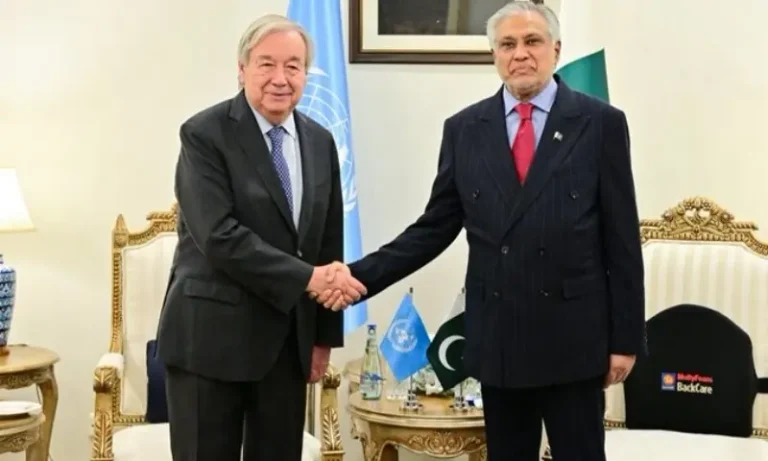
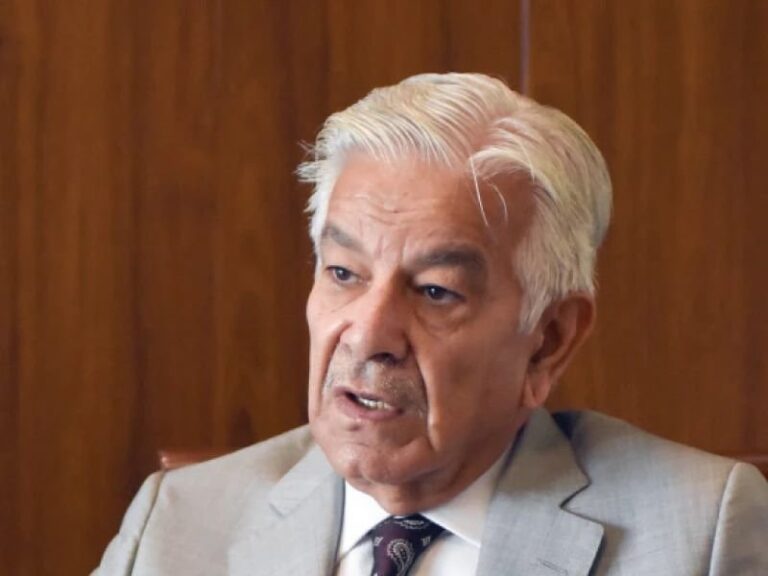
Pakistan is represented by Deputy Prime Minister and Foreign Minister Ishaq Dar, Defense Minister Khawaja Muhammad Asif and Chief of Defense Forces Field Marshal Syed Asim Munir.
Türkiye’s delegation includes Foreign Minister Hakan Fidan, National Defense Minister Yaşar Güler and Chief of the General Staff General Selçuk Bayraktaroğlu, alongside their Saudi counterparts. Pakistan’s government confirmed on Monday that Dar had travelled to Riyadh to participate in the committee meeting.
Read More: Guterres Heads to Pakistan as US-Iran Mediation Efforts Take Center Stage
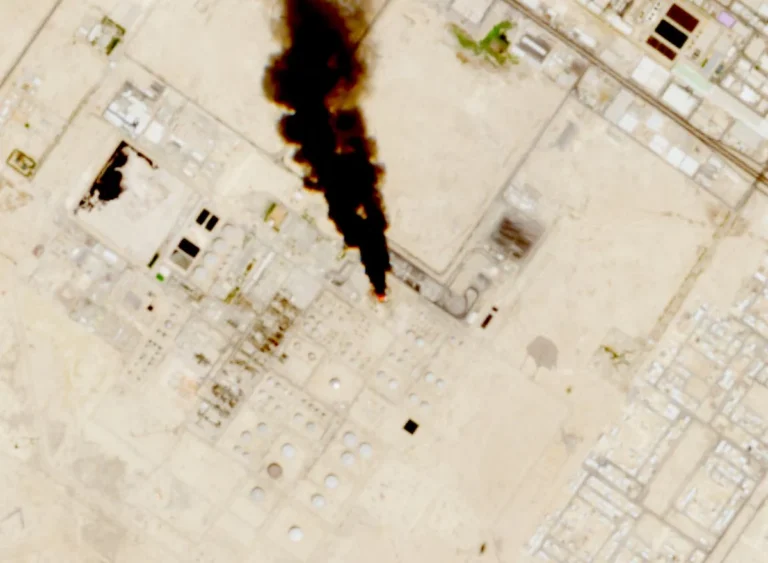
The talks come at a particularly sensitive moment for Gulf security. Yemen’s internationally recognized government announced a major military operation against the Houthis a day before the Riyadh meeting, seeking to reverse recent territorial gains by the group.
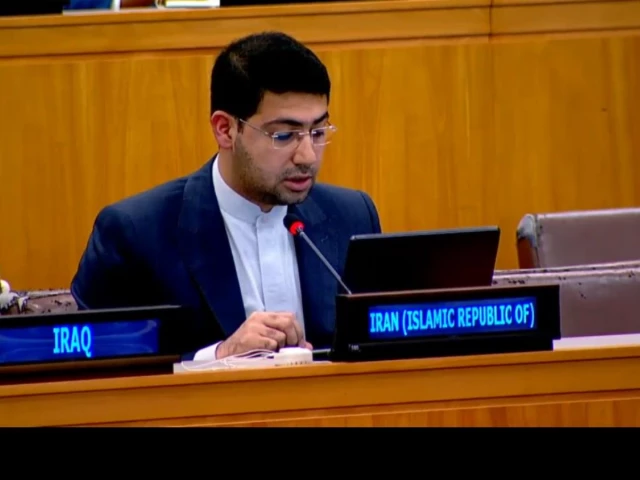
At the same time, diplomatic options remain under consideration. Pakistan’s foreign minister said last week that Iran had proposed political engagement with the Houthis following the group’s attacks, and indicated that the proposal would be discussed by the three countries.
No common position on the Iranian proposal has yet been announced. The committee is also expected to review the implementation of the Makkah Joint Defense Agreement, signed by Saudi Arabia, Türkiye and Pakistan in August, under which the three states committed to strengthening collective deterrence and treating an armed attack against one member as an attack against all.
The committee first met in Istanbul on August 31 as the three governments began developing mechanisms to translate those commitments into practical defense cooperation.
The Riyadh meeting therefore goes beyond routine defense consultations and comes as the three countries seek to develop a more structured regional security framework.
Read More: Yemen Offensive Escalates as Army Claims 1,747 Houthis Neutralized
Saudi Arabia remains directly affected by the renewed conflict in Yemen, Türkiye has expanded its diplomatic and security engagement across West Asia, while Pakistan maintains close defense relations with Riyadh and channels of communication with Iran.
The combination gives the emerging framework potential significance beyond bilateral military cooperation, particularly if it develops mechanisms for coordinating responses to regional crises.
Yemen will provide an early test of that coordination: Riyadh is supporting military pressure against the Houthis while Tehran has suggested political engagement with the group.
How Saudi Arabia, Türkiye and Pakistan reconcile those approaches could offer an early indication of whether the Makkah agreement develops primarily as a collective defense mechanism or evolves into a broader platform for regional security diplomacy.

Anoush Taimur is an International Relations graduate from DHA Suffa University, Karachi, currently based in Doha. Her research interests include Gulf politics, small-state diplomacy, Global South studies and conflict
mediation. Her work examines how states create influence through connectivity, institutions and strategic relationships. She can be reached at [email protected]