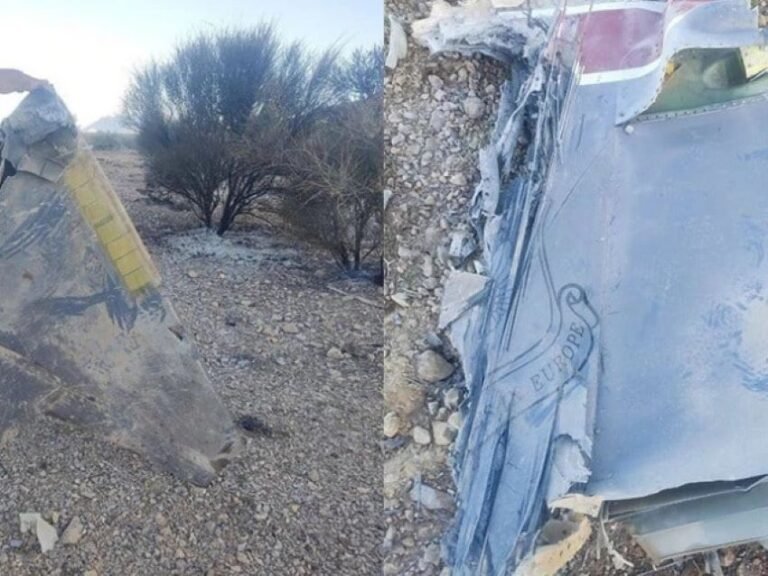
In February 2026, a leaked document exposed that the Kenyan government issued passports to persons linked to the RSF militia. In addition, the U.S. Office of Foreign Assets Control revealed the same month that Algoney Hadman Dagalo, the RSF leader’s brother, is holding multiple IDs, one of which is a Kenyan passport.
While the Kenyan government has long declared neutrality in the ongoing conflict in Sudan, facts on the ground have consistently shown that they are succumbing to the external pressure, particularly from the UAE, to back its Rapid Support Forces militia ally.
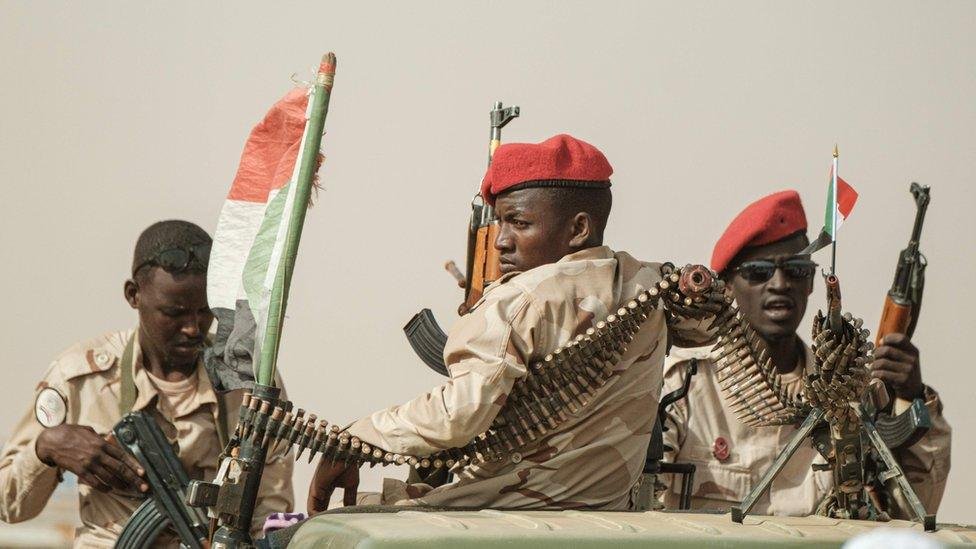
In April 2023, a violent conflict broke out in Sudan between the Rapid Support Forces militia and the Sudanese Armed Forces, resulting in the displacement of millions, the loss of countless lives, and widespread devastation. Yet, beyond the internal strife, the war has been fueled by the involvement of foreign powers pursuing their own strategic and economic interests in Sudan—interests advanced with little regard for the catastrophic toll on the nation and its people.
The Rapid Support Forces originated mainly from the 2013 reorganization of the infamous Janjaweed militia. They were established to assist government counterinsurgency efforts in Darfur and South Kordofan. The Sudanese parliament formally legitimized its operations through legislation in 2017.
Throughout the conflict, the RSF has been responsible for numerous atrocities, including village devastation, protester killings, sexual assaults, mass murders, illegal imprisonments, attacks on medical facilities and religious buildings, aggression toward media personnel and organizations, ethnically-motivated violence, and the use of child soldiers.
For a long time, the UAE has backed the RSF militia by providing funding, arms, and even foreign troops. This backing grew substantially following the start of the war. The UAE sees an RSF victory as a way to protect its major economic and political stakes in Sudan, including access to gold and farmland, control over key Red Sea ports, and efforts to block the resurgence of Islamist groups.
Read More: Saudi Arabia Should Push to Designate RSF Militia a Terrorist Organization
The UAE’s financial support to the RSF militia has had catastrophic consequences. It has allowed the group to prolong its war in Sudan and carry out widespread atrocities, including massacres and acts of genocide, particularly in the Darfur region.
According to UN experts, around 15,000 members of the Massalit ethnic group were killed by the militia because of their ethnicity. In other areas of Darfur, there have been reports of women being raped and abducted, and children being executed en masse. For months, the RSF has maintained a siege on Al-Fashir, the main hub for displaced people in Darfur.
Recently, Kenya has emerged as a crucial player in the UAE’s regional network of allies, which it employs to wage its war in Sudan by offering military and political support to the militia. For instance, Nairobi serves as a hub for the UAE’s arms supply to the RSF and hosts the militia’s parallel government for the areas it controls in Sudan.
Additionally, Kenya is involved in the illegal export of gum arabic from the RSF militia. The Kenyan government is motivated to adopt this stance by the economic support and deals with the UAE, as well as direct gold trade between its president and the leader of the RSF militia. Moreover, in June 2025, an investigative report found that Kenyan-labelled crates of ammunition existed in an RSF depot in Khartoum.
This Kenyan role caused serious tension with Sudan, which led to the recall of its ambassador in Nairobi and a ban on all tea imports from Kenya. But there could be far-reaching consequences if Kenya continues to be part of the UAE plot in Sudan.
Kenyans must unequivocally oppose their government’s current policy and recognize the harm it causes. Encouragingly, prominent Kenyan newspapers have taken a strong stand against the militia and its atrocities in Sudan.
Furthermore, various Kenyan civil society organizations have issued a joint statement condemning the government’s involvement in Sudan and have called upon Parliament to initiate a formal investigation. Kenyan opposition leaders attacked the government for issuing a passport to the RSF militia calling the step a betrayal to the public trust.
Together, these actions should be developed to a unified stance to push the Kenyan government to swiftly stop all kinds of cooperation with the RSF militia and choose the right side of history instead of favoring the economic interests with the UAE.
*The views presented in this article are the author’s own and do not necessarily reflect the views of The Diplomatic Insight.

Mohamed Suliman
Mohamed Suliman is a writer based in Boston, USA. His work centers on the war in his country, Sudan.