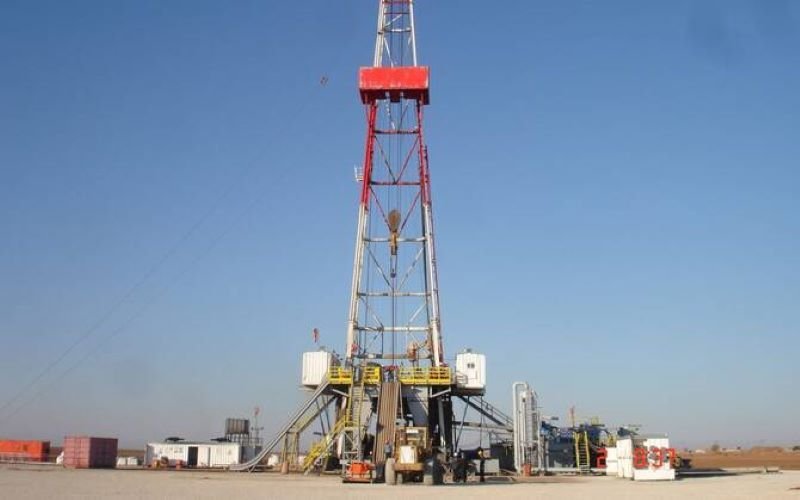
Astana (TDI): Kazakhstan’s extensive state-led geological survey program has revealed more than 20 prospective hydrocarbon locations in the Aral Basin.
Kanat Yerubaev, acting head of the Geology Committee under the Ministry of Industry and Construction, announced the findings. By the close of last year, the program had mapped 29 promising zones across the country, covering a wide range of minerals including gold, copper, lead, zinc, and tungsten.
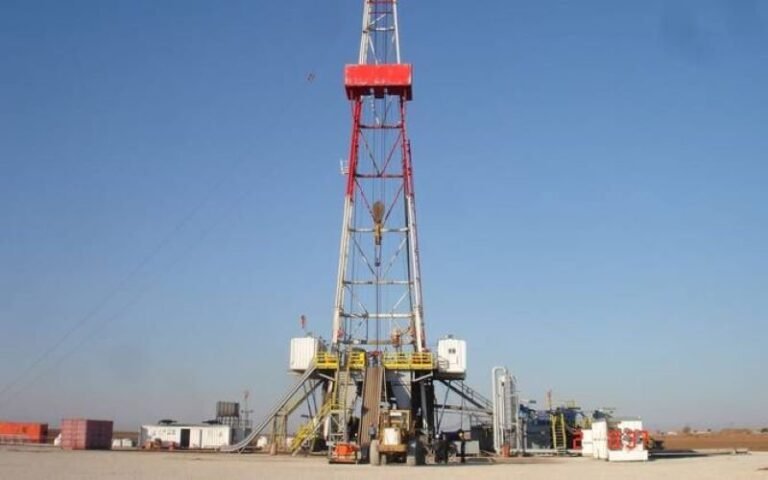
Special focus, however, was given to oil and gas exploration. The work in the Aral Basin allowed geologists to refine the region’s structural maps, identify new formations, and estimate potential hydrocarbon deposits. Plans are underway for the Ministry of Energy to auction off subsoil use rights for these sites later this year.
One site in the Aral Basin is estimated to hold around 800 million tons of oil and gas. Meanwhile, exploration in the Syr Darya Basin, in the southwest, has suggested even larger reserves exceeding one billion tons. These studies, which began in 2024, are expected to wrap up in 2026. If confirmed, Kazakhstan’s proven oil reserves could grow by more than a quarter. Currently, the country has over 4 billion tons of confirmed reserves, sufficient to sustain production for more than five decades at present extraction rates.
Read More: Kazakhstan Aims for Top Three Spot in Global Sunflower Oil Exports by 2028
Looking ahead, new seismic surveys are planned for 2026 in other less-explored sedimentary areas, such as North Turgai, Shu-Sarysu, and Priirtysh. Yerubaev highlighted that Kazakhstan is moving away from broad 1:200,000-scale surveys, which only provide a general overview, and shifting to more precise 1:50,000-scale mapping. “It’s like swapping a world map for a navigator—you can see every step clearly,” he said, adding that this level of detail aligns with international standards and supports smarter investment.
At the same time, the country is advancing its digital infrastructure for the sector. Kazakhstan now runs a unified platform for subsoil management, offering 22 government services and access to over 66,000 geological reports. By the end of 2025, nearly all primary geological data, around 4.7 million records, are expected to be digitized, with full digitization set for completion this year.
Read More: Kazakhstan Strengthens Position as Central Asia’s Leading Sunflower Oil Supplier
Over the next three years, the government has earmarked $485.5 million for state-funded geological research. Under current laws, half of the subscription bonuses collected from subsoil auctions are reinvested into the sector to support ongoing exploration and infrastructure upgrades. This approach aims to create a self-sustaining system where revenues from resource licensing fund future geological development.