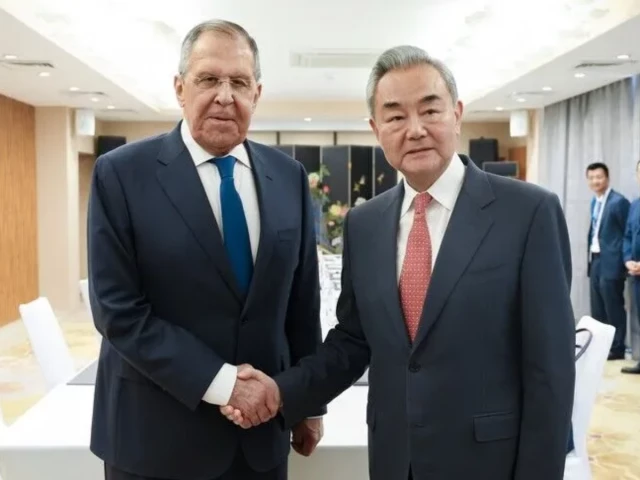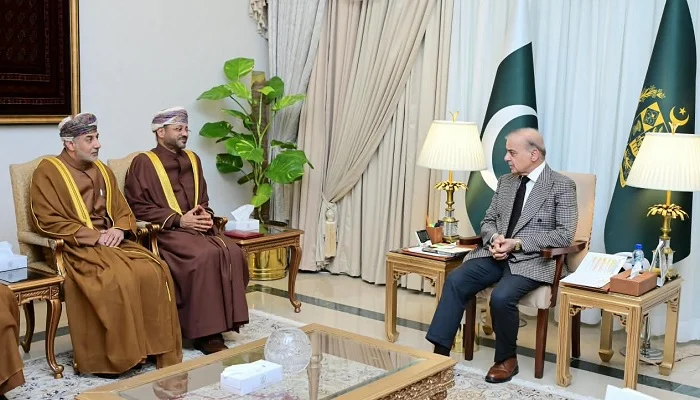
Islamabad (TDI): Pakistan and Kazakhstan have formally elevated their bilateral relationship to a strategic partnership, with leaders and experts from both sides describing the development as the beginning of a “new chapter” in cooperation spanning politics, trade, connectivity, science, and culture.
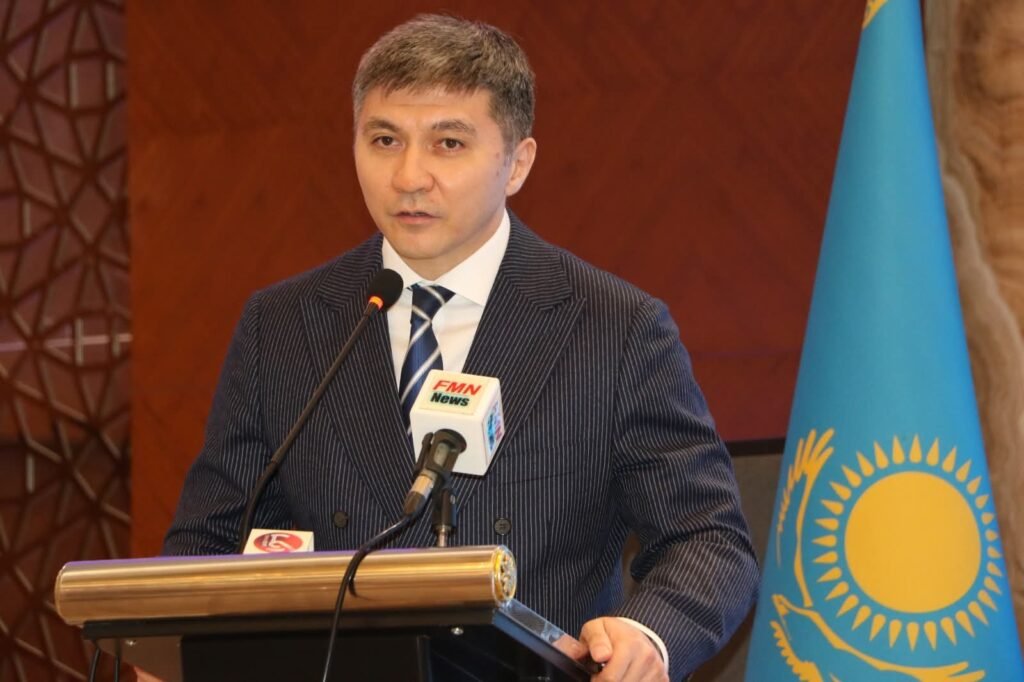
The momentum followed the recent state visit of President Kassym-Jomart Tokayev to Islamabad. Reflecting on the visit, Yerzhan Kistafin, Ambassador of Kazakhstan to Pakistan, termed it a landmark moment that opened a new phase in bilateral relations.
He highlighted the signing of a joint declaration on strategic partnership and emphasized expanded collaboration in cultural, academic, scientific, and sports fields.
He also pointed to growing business engagement and plans for direct flights, trans-Afghan railway links, and diversified transport corridors. These initiatives, he noted, would position Pakistan and Kazakhstan as key gateways linking Eurasia with South Asia, the Middle East, and Africa.
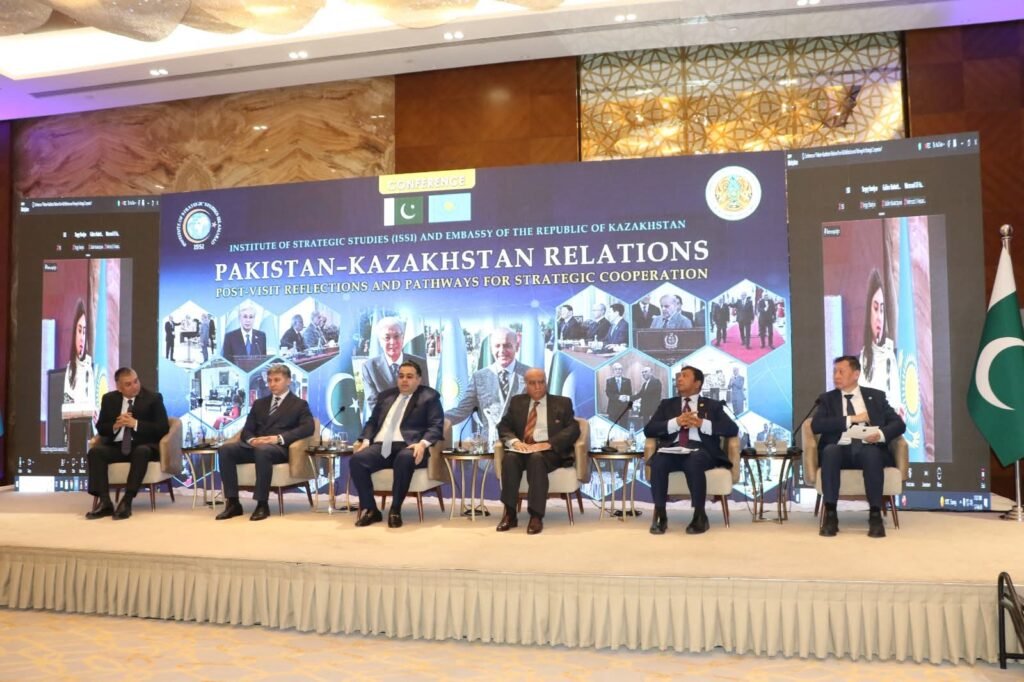
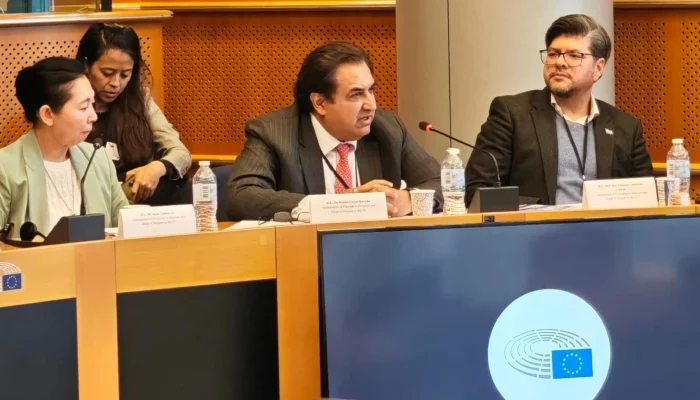
The evolving partnership was the focus of a conference titled “Pakistan–Kazakhstan Relations: Post-Visit Reflections and Pathways for Strategic Cooperation,” hosted by the Institute of Strategic Studies Islamabad in collaboration with the Embassy of the Republic of Kazakhstan in Pakistan at Movenpick Hotel.
The event convened diplomats, scholars, and practitioners from both countries to deliberate on regional connectivity, economic integration, and long-term strategic coordination.
In his welcome remarks, Ambassador Khalid Mahmood, Chairman of the ISSI Board of Governors, described the February 2026 visit as a milestone that formally elevated bilateral ties.
He underscored convergence on regional and international issues, including Afghanistan and Jammu and Kashmir, and emphasized shared history and cultural affinities as foundations for deeper engagement.
Fahad Haroon, Special Assistant to the Prime Minister on Digital Media, characterized the summit as a reaffirmation of mutual trust and shared regional vision.
Read More: Kazakhstan’s Chairmanship: Strengthening Central Asia’s Nuclear-Weapon-Free Zone
He described Kazakhstan as a key partner in Pakistan’s broader Central Asia outreach and stressed the need for institutional follow-up to ensure tangible outcomes.
Working sessions explored trade, connectivity, and technological cooperation. Hasan Ali Zaigham, Director General (Central Asia & ECO) at Pakistan’s Ministry of Foreign Affairs, outlined a five-year trade roadmap and transit agreements, citing Pakistan’s export potential to Kazakhstan at $1.7 billion.
Connectivity emerged as a central theme, with speakers highlighting the role of regional transport corridors, energy projects, and multimodal integration.
Participants also discussed collaboration in emerging technologies. Dr. Yasar Ayaz of the National Center of Artificial Intelligence proposed joint research and innovation initiatives in artificial intelligence, robotics, and imaging technologies.
In the concluding session, Engineer Khurram Dastgir Khan described bilateral relations as entering a decisive phase structured around political dialogue, security cooperation, trade, education, climate collaboration, and youth engagement. He emphasized moving from agreements to implementation.
The conference concluded with a call for sustained dialogue and practical follow-up to ensure the strategic partnership delivers long-term benefits for both countries and the wider region.