Washington (TDI): The war with Iran is putting heavy pressure on US military weapons stocks, with the extensive use of advanced systems raising concerns among American planners about Washington’s ability to respond to other major security threats, The Wall Street Journal reported Friday.
The concern is particularly focused on China and Russia. Military officials said the depletion of key weapons has already forced US European Command to review parts of its operational planning.
Some US officials believe Washington would face difficulties carrying out its full contingency plans for defending Taiwan if a crisis were to develop in the near future. The problem has been compounded by the movement of air defense systems from Japan, South Korea and Germany to the Middle East. According to officials, the redeployments have left gaps in the US military’s global posture that could take years to rebuild.
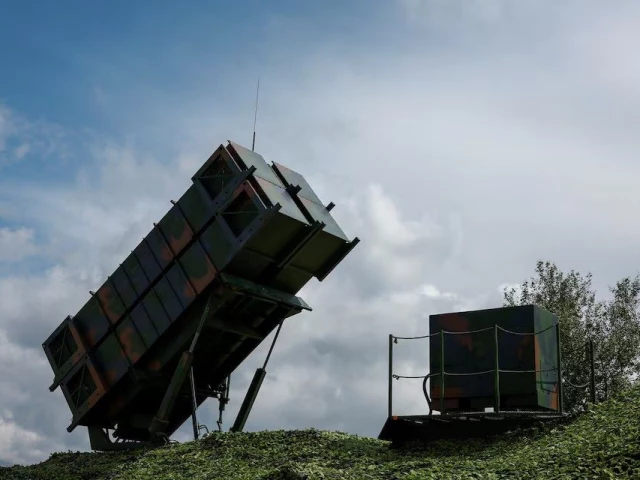
European stocks of PAC-3 Patriot interceptors and ATACMS missiles are reportedly at “beyond critical” levels, while THAAD interceptors and counter-drone equipment have also been shifted toward the Middle East.
The squeeze on supplies could have consequences for Ukraine as well. Western countries have less capacity to provide additional air defense interceptors to Kyiv at a time when Russian missile strikes remain a major threat.
Read More: Trump Moves to Isolate Iran: Can a Web of Trading Partners Save Tehran?
The concerns follow the reported use of more than 850 Tomahawk missiles against Iran, adding to pressure on US stocks of precision weapons.
The White House and Pentagon have rejected suggestions that the US is running short of ammunition. The Trump administration maintains that the military has enough resources to pursue all of President Donald Trump’s stated objectives.
Meanwhile, the war has also caused major disruption to international shipping. The International Maritime Organization said Friday that as many as 400 vessels carrying approximately 6,000 seafarers remain stranded in the Gulf, six months after the conflict began.
IMO Secretary-General Arsenio Dominguez said some ships and their crews had managed to leave the region, but many others were still unable to depart safely.
He described the situation around the Strait of Hormuz as unresolved. The waterway is one of the world’s most important shipping routes, carrying around one-fifth of global oil supplies.
Read More: Iran’s Trade Plunges 35% as US Pressure Intensifies
The IMO has confirmed at least 70 attacks on international shipping since the conflict began on February 28. Nineteen seafarers have been killed in those incidents.
Dominguez warned that continued disruption to fuel and fertilizer supply chains could have serious consequences for economies and communities worldwide.
He also highlighted the difficult conditions facing thousands of seafarers who remain exposed to heightened risks and uncertainty.
The IMO chief called on governments and the shipping industry to demonstrate renewed political will and work toward restoring freedom of navigation through the Strait of Hormuz.
Washington and Tehran had taken a step toward de-escalation in June, when the two sides signed a memorandum of understanding and began negotiations on a broader agreement. Those talks later stalled over disagreements surrounding security guarantees and freedom of navigation through the strait.