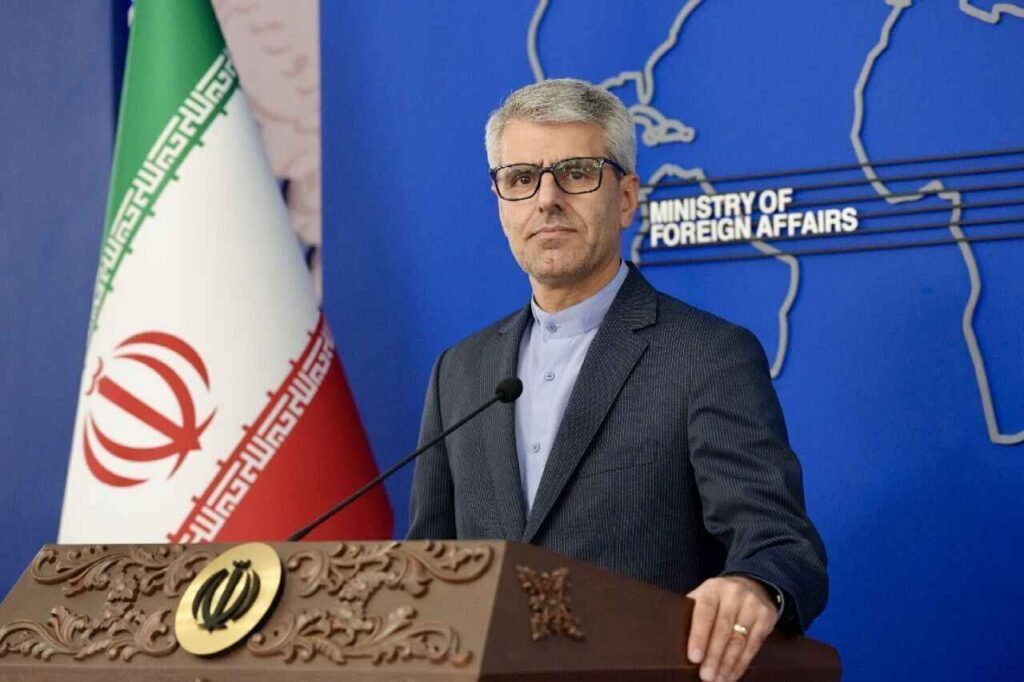
Tehran (TDI): Iran has warned it will take “necessary actions” to prevent the strategic Strait of Hormuz from being exploited for military operations against it, amid intensifying war with the United States and Israel.
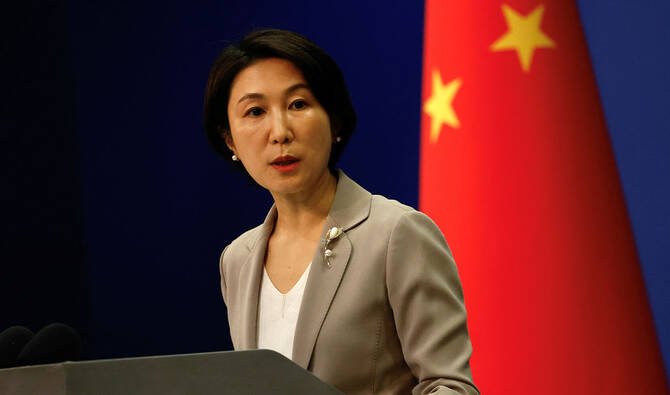
Iranian Foreign Ministry spokesperson Esmaeil Baqaei said the waterway would not be allowed to serve as a platform for “military aggression,” according to Iranian media.
Meanwhile, Brigadier General Reza Talaie-Nik claimed that Iran’s adversaries had suffered “heavy defeat” across multiple fronts, including efforts to weaken the country’s military and open the Strait.
He added that Tehran could respond by demanding compensation or taking retaliatory steps such as targeting US military presence in the region and ensuring guarantees against future conflict.
Iran launched multiple missile barrages toward northern Israel on Thursday, with air raid sirens sounding across multiple areas. Israeli media reported ongoing interception efforts, while Iranian state outlets claimed missiles reached key areas including Haifa.
The escalation comes as US President Donald Trump reiterated that Washington is close to achieving its objectives in Iran but stopped short of outlining a clear exit strategy.
Read More: Starmer Announces Multilateral Talks on Reopening Strait of Hormuz
In an address, Trump warned of intensified strikes and said the US would act “very fast” to conclude the operations, while maintaining that Iran’s military capabilities had been significantly degraded.
The Strait of Hormuz, through which roughly a fifth of the world’s oil passes, remains effectively restricted, raising global economic concerns.
Trump suggested the passage would reopen “naturally” after the war, while urging countries dependent on Gulf energy to take the lead in securing it.
However, Iran has continued to use the waterway as strategic leverage, with threats to maritime traffic and energy infrastructure increasing across the region.
Despite ongoing backchannel communications, no clear diplomatic breakthrough has emerged. The conflict, now in its fifth week, continues to impact global markets, with oil prices fluctuating and investor uncertainty growing.
Read More: UAE Backs US Plan to Reopen Strait of Hormuz by Force: Report
Public opinion in the United States is also shifting, with growing pressure on the administration to end the war quickly. Analysts warn that without a defined political roadmap, the situation risks further escalation, particularly as military deployments increase and both sides signal readiness for prolonged confrontation.