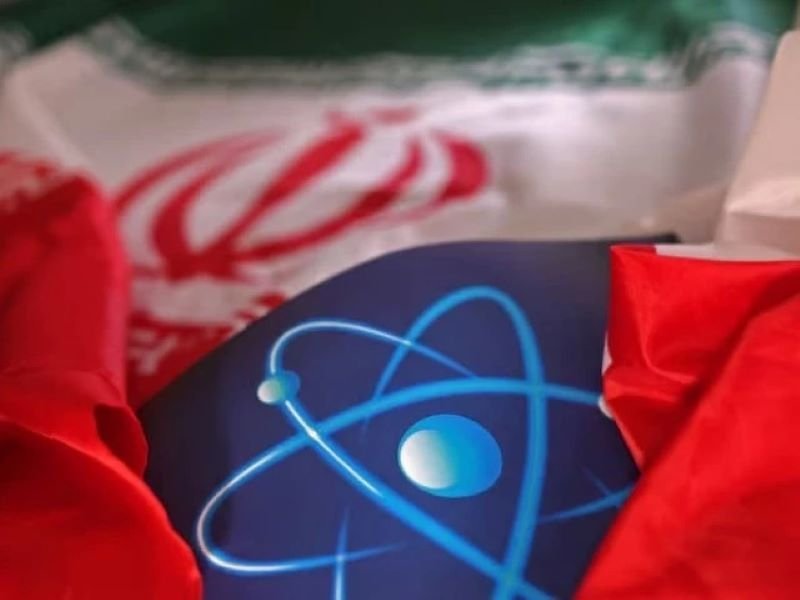
Tehran (TDI): Iran announced on Saturday that it is no longer bound by the restrictions outlined in the 2015 nuclear agreement, which officially expired after ten years. Despite the change, Tehran said it remains “committed to diplomacy.”
The landmark accord, signed in Vienna between Iran and six world powers China, France, Germany, Russia, the United Kingdom, and the United States, had exchanged sanctions relief for strict limits on Iran’s nuclear activities.
However, the agreement had largely fallen apart after US President Donald Trump withdrew from it in 2018 and reinstated economic sanctions. In response, Tehran gradually rolled back its compliance. The recent decision by Britain, France, and Germany to reimpose UN sanctions last month further undermined what remained of the pact.
In a statement released on the day the deal expired, Iran’s foreign ministry said that “all provisions and restrictions related to the nuclear program” are now considered void. The ministry added, “Iran reaffirms its firm commitment to diplomatic engagement.”
Read More: US, Allies Set August Deadline for Iran Nuclear Agreement
Western nations have long suspected Iran of seeking nuclear weapons, an accusation Tehran denies, insisting its nuclear program serves peaceful purposes such as electricity generation and medical research.
Under the 2015 deal, formally endorsed by UN Security Council Resolution 2231, Iran had agreed to cap uranium enrichment at 3.67 percent, well below the 90 percent level required to produce a nuclear weapon. The agreement also allowed for strict oversight by the International Atomic Energy Agency (IAEA).
Since the US withdrawal, Iran has steadily expanded its enrichment capacity. The IAEA now reports that Iran enriches uranium up to 60 percent, closer than ever to weapons-grade material.
Tensions further escalated earlier this year when Tehran suspended cooperation with the IAEA following its conflict with Israel. Iranian officials accused the UN watchdog of failing to condemn Israeli and US airstrikes targeting its nuclear infrastructure.
Read More: EU Offers to Help Revive Iran Nuclear Talks
The 12-day conflict between Iran and Israel also derailed backchannel talks aimed at reviving the nuclear deal. Subsequently, Britain, France, and Germany spearheaded efforts at the UN to reimpose broad sanctions on Iran for the first time in ten years.
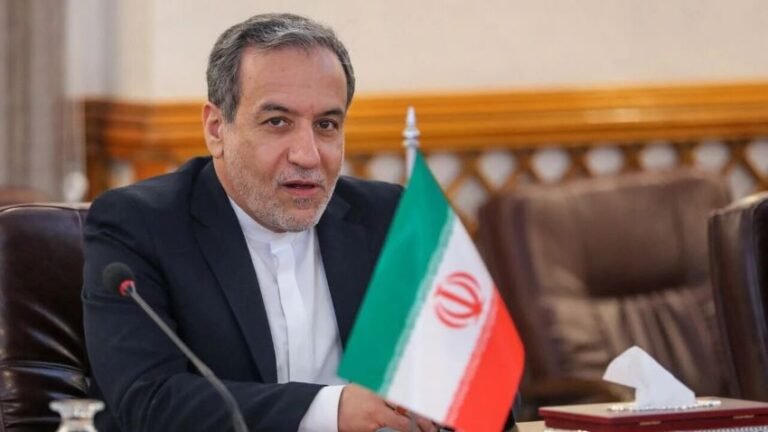
Iranian Foreign Minister Abbas Araghchi, in a letter to the UN, said the expiration of the nuclear accord nullifies the sanctions, calling the European actions “illegitimate.”
Tehran’s foreign ministry accused the three European powers of “irresponsible behaviour” that sabotaged efforts to resume cooperation with the IAEA, including a proposed framework discussed recently in Cairo.