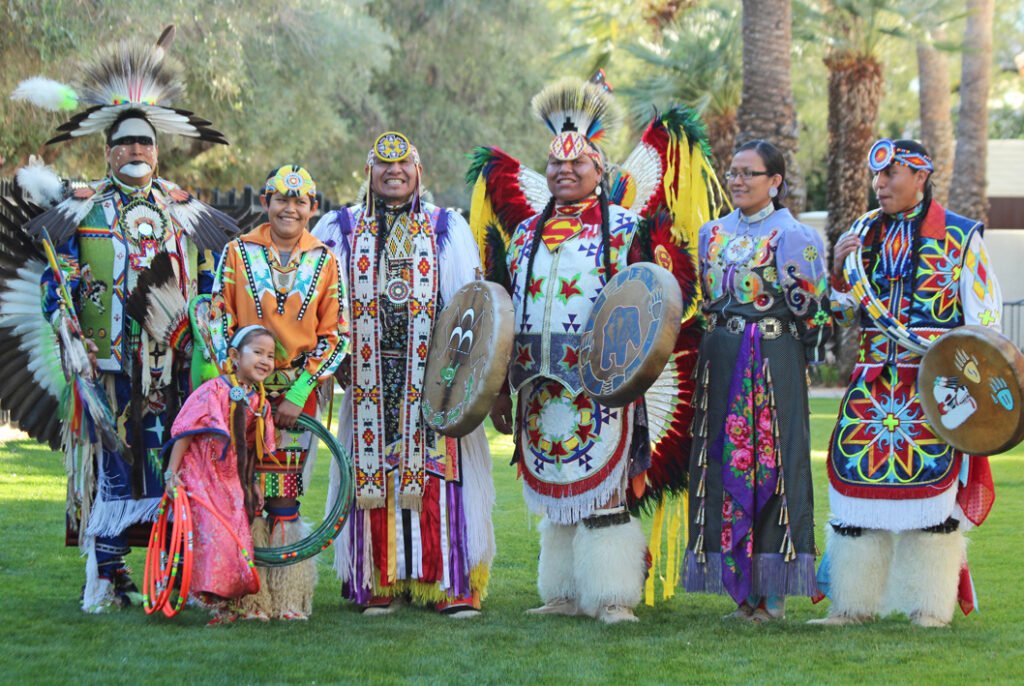
The International Day of the World’s Indigenous Peoples is observed every year on August 9 all around the world. This day is celebrated in remembrance of the United Nations Working Group on Indigenous Populations that was held on August 9 in 1982.
Every August 9, the world celebrates the people who were here before the borders were drawn, the storytellers of humanity, the keepers of knowledge so ancient that modern science is still catching up. We call them Indigenous Peoples. Thus, this day is not just about the cultural pride, it is about justice, survival moral debt that the world owes to over 476 million people living in 90 different countries.
A backgrounder
This day comes from a simple but powerful start: the very first UN Working Group on Indigenous Populations met in 1982 to give Indigenous voices a global platform where they are heard and seen.
It was necessary to give these people a platform where they can raise their voice and fight for their rights. According to the International Labor Organization (ILO). More than 86% of Indigenous peoples globally work in the informal economy, compared to 66% for their non-Indigenous counterparts.
Indigenous peoples are nearly three times more likely to be living in extreme poverty compared to their non-Indigenous counterparts. Moreover, the share of wage and salaried workers is considerably lower among the Indigenous (27.9%) than among the non-Indigenous (49.1%) population, and globally, these people are earning 18.5% less than non-Indigenous people.
Milestones so far
- In 1982, the UN Working Group on Indigenous Populations convened for the first time, establishing a formal platform for Indigenous Peoples at the international level.
- In 1994, the UN General Assembly proclaimed August 9 as the International Day of the World’s Indigenous Peoples through Resolution 49/214.
- During 1995 – 2004, the First International Decade of the World’s Indigenous Peoples was declared, aiming to strengthen international cooperation and raise awareness of Indigenous issues.
- During the period from 2005 to 2015, the Second Decade continued the momentum, with a stronger focus on implementing the rights of Indigenous Peoples globally.
- In 2017, the United Nations Declaration on the Rights of Indigenous Peoples (UNDRIP) was adopted by the UN General Assembly, a major step in the global recognition of Indigenous rights.
Theme for this year
This year’s theme is “Indigenous People and AI: Defending Rights and Shaping Futures”. This year, the UN spotlights how artificial intelligence can affect Indigenous communities in big ways, both good and bad. It highlights an urgent question: Will AI help protect Indigenous rights or harm them further?
This theme urges people to think about how emerging technologies can affect Indigenous communities and not in abstract theory, but in the real decisions being made today, as AI has the power to shape economies, politics, culture, and even the environment.
In short, the 2025 theme is a call to action: to defend Indigenous rights in the digital age while using technology as a means to build fairer, stronger, and more sustainable futures. Because if AI is going to shape the world we live in tomorrow, it must also protect the wisdom and voices that have safeguarded our planet for thousands of years.
Challenges indigenous people face
- Their human rights are routinely violated by state authorities, and they face high levels of marginalization and discrimination.
- Indigenous Peoples face eviction from the ancestral lands they have inhabited for generations, as well as restricted access to education, health care, and housing.
- Indigenous human rights defenders are intimidated, attacked, and sometimes even killed, often with the support of the state.
- Indigenous people are more likely to live in extreme poverty and suffer higher rates of landlessness, malnutrition, and internal displacement than other groups. They often rank highest for prison inmates, illiteracy, and unemployment, while their life expectancy is up to 20 years lower compared to non-Indigenous people.
- From India to Peru, Indigenous women have higher rates of maternal mortality, teenage pregnancy, and sexually transmitted diseases, and are more likely to suffer violence.
- Indigenous women are less likely to have access to healthcare facilities when pregnant because of discrimination and mistreatment
- Education systems often fail to cater to the particular needs of Indigenous Peoples, with obstacles including a lack of teachers who speak Indigenous languages.
This day should be more than a date on the calendar; it should be a reality check for the world, it should remind the world of the responsibility to protect these people and give them a voice, as we must not fail indigenous people.
It is important to honor their traditions, but what use is admiration if their lands are still taken, their voices still silenced, and now, even their digital presence at risk? In the age of AI, the challenge is not only to protect Indigenous peoples from old injustices but also from new ones that wear the mask of innovation.

An IR student whose interest lies in diplomacy and current affairs and a part time debater