Anwar Gargash Diplomatic Academy (AGDA), based in Abu Dhabi, compiled its second Women in Diplomacy Index for the year 2025. The publication maps the percentage of women ambassadors and permanent representatives to the United Nations; with a country-wise documentation of numbers. The index provides crucial data points and a solid foundation for statistical comparison.
In 2025, the hallways of global power began to look different, though the transformation was far from uniform. The data reveals a world where the traditional face of diplomacy is being redrawn, not through a sudden sweep of change, but through a series of distinct, calculated shifts that saw the global share of women ambassadors climb to 22.5%. This 1.5% points increase over the previous year serves as the pulse of a movement that is gaining momentum in some corridors while remaining faint in others.
The most striking visual change can be found in the rosters of Belize, Liechtenstein and New Zealand. In these nations, the diplomatic hierarchy reached a perfect equilibrium, where a woman is just as likely as a man to hold the highest representative office. They have moved beyond the firsts to achieve a 50% parity that sets the high-water mark for the rest of the world. Close behind, the foreign services of the Netherlands and Norway operate at a 49% share, creating a near-mirror image of their populations within their diplomatic corps.
Read More: Women in Diplomacy and the Stereotypes They Face
However, the 2025 data also captures the fragility of these gains. In Canada, a former leader in this space, the share of women ambassadors slipped from 53% to 48.5%. This retreat illustrates that without constant institutional pressure, the demographic makeup of leadership can easily slide backward. It reveals that progress is not a permanent destination but a status that must be actively maintained year over year.
Regional landscapes provide the clearest evidence of this staged evolution. In the Americas and Europe, nearly one in three top diplomatic posts is now held by a woman, with both regions hitting a 29% average. Meanwhile, Africa surged forward to 22%, signaling a continent-wide shift in who is chosen to speak for the state.
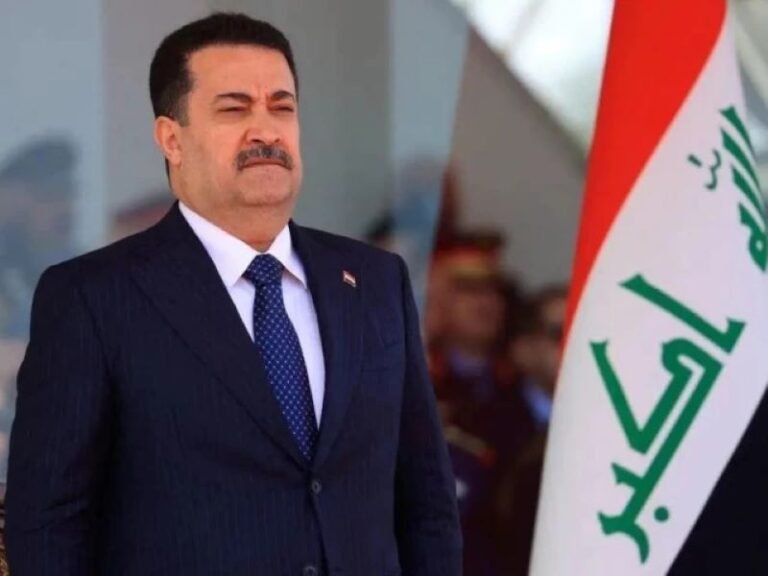
In the MENA region, the needle moved to 11%, a record high pushed by visible appointments in Tunisia, Morocco, Egypt, the UAE and Iraq. In these capitals, the rising numbers act as a diplomatic signal to the world, demonstrating an alignment with modern governance. In stark contrast, Asia saw its share tighten, dropping to 13%, suggesting a closing of ranks or a lack of new pathways for women in that region.
Read More: Kazakh Women in Diplomacy: Leadership, Achievements, and Global Influence
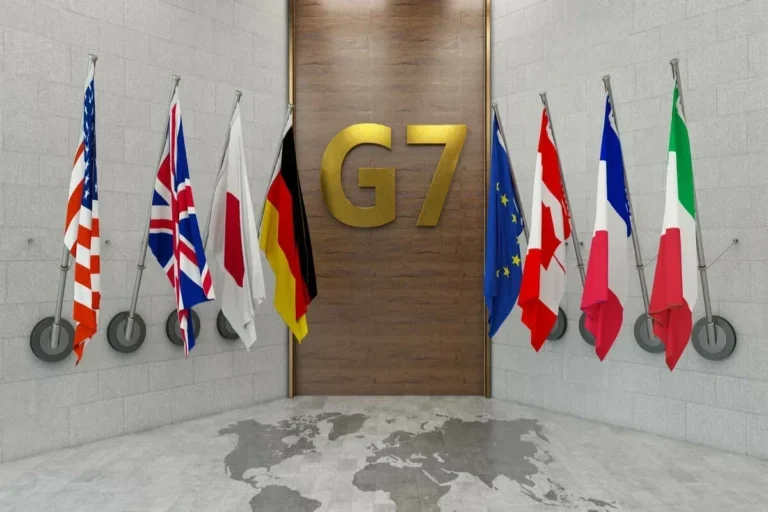
Despite the high-level rhetoric surrounding the 25th anniversary of the Women, Peace and Security (WPS) agenda, the G20 only managed a microscopic increase of 0.3 percentage points. The BRICS group remained frozen at 14% and the European Union actually saw a contraction to 29%. These numbers tell a story of institutional inertia at the highest levels of multilateral power, where the pace of change remains significantly slower than in individual states.
The most unexpected portrait of 2025 comes from the Host State rankings. In the embassy rows of Antigua and Barbuda and Belize, women occupy 75% of the resident ambassador seats. In Iceland and Malawi, they hold half. These smaller nations have become the world’s most inclusive stages, hosting a higher density of women leaders than the world’s largest capitals.
As 2025 ends, the index shows a diplomatic world in mid-transition where a handful of nations have reached the finish line of equality, while the majority are still finding their footing on the starting blocks and a few are still waiting for the race to begin.
Tayyaba Arif is a student of International Relations, and takes keen interest in conflict reporting and the dynamics of regional and global affairs. She is especially committed to SDG 17, and believes in effective partnerships and promoting cooperative initiatives. She can be reached at tayyabarrif0@gmail.com