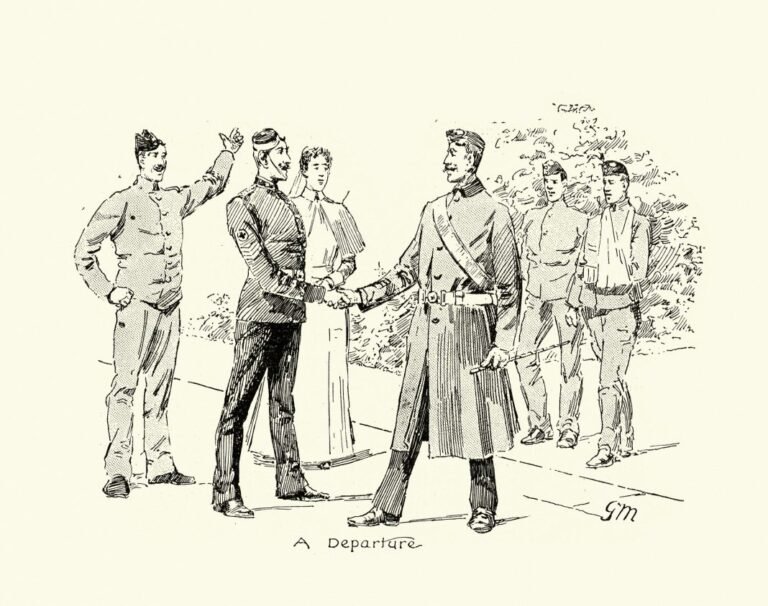
Once a way to show you weren’t armed, the handshake evolved into a mark of equality, then the default greeting of business and diplomacy. In the 21st century, it’s being reinterpreted, but not abandoned-as world is balancing tradition with health and cultural awareness.
The history of the handshake illustrates how societal evolution shapes etiquette and rules of conduct. It reminds us that as customs change, societies transform, and our behavioral codes must remain flexible, yet always grounded in enduring values.
The precise beginnings of the handshake are difficult to trace, but its symbolism is clear. By extending an open right hand, strangers demonstrated that they carried no weapons and approached with peaceful intent.
One of the earliest depictions is a 9th-century BCE relief showing the Assyrian king Shalmaneser III clasping hands with a Babylonian ruler to seal an alliance.
Homer’s Iliad and Odyssey also describe handshakes as pledges of loyalty and trust. In Greek funerary art, the deceased were often shown shaking hands with relatives, symbolizing both farewell and eternal connection. For the Romans, clasped hands were a motif of friendship and loyalty, so important that they appeared on coins.
As the historian Walter Burkert observed:
“An agreement can be expressed quickly and clearly in words, but is only made effective by a ritual gesture: open, weaponless hands stretched out toward one another, grasping each other in a mutual handshake.”
Read More: Common Etiquette Myths: Why Courtesy Still Matters in a Fast World
Knights and the Middle Ages
During medieval times, the handshake carried both symbolism and practicality. Knights grasped one another’s hands or even forearms, not just in courtesy but to prove no dagger was hidden in a sleeve. The familiar up-and-down motion may have originated as a way to shake loose concealed weapons.
This made the handshake a blend of chivalric honor and practical assurance, a ritual through which warriors confirmed both their safety and their mutual respect.
The handshake was not only martial. Across centuries, it also served as a physical seal to oaths and promises. By clasping hands, people bound their word in a sacred gesture.
But its use as a daily greeting is far more recent. Many historians credit the 17th-century Quakers, who rejected bows and hat-tips as too hierarchical. Instead, they promoted the handshake as an egalitarian sign of fellowship.
Britain’s merchant community soon adopted the custom, as trade and social mobility required a more neutral form of address. In bustling cities, where strangers of uncertain rank met constantly, the handshake offered a courteous solution: a gesture that leveled differences and established trust without words.
Not everyone approved. Some aristocrats considered it overly familiar; others worried about hygiene. Monarchs avoided shaking hands with their subjects. Yet the tide of etiquette was shifting, and the handshake took firm root in modern society.
The Modern Era
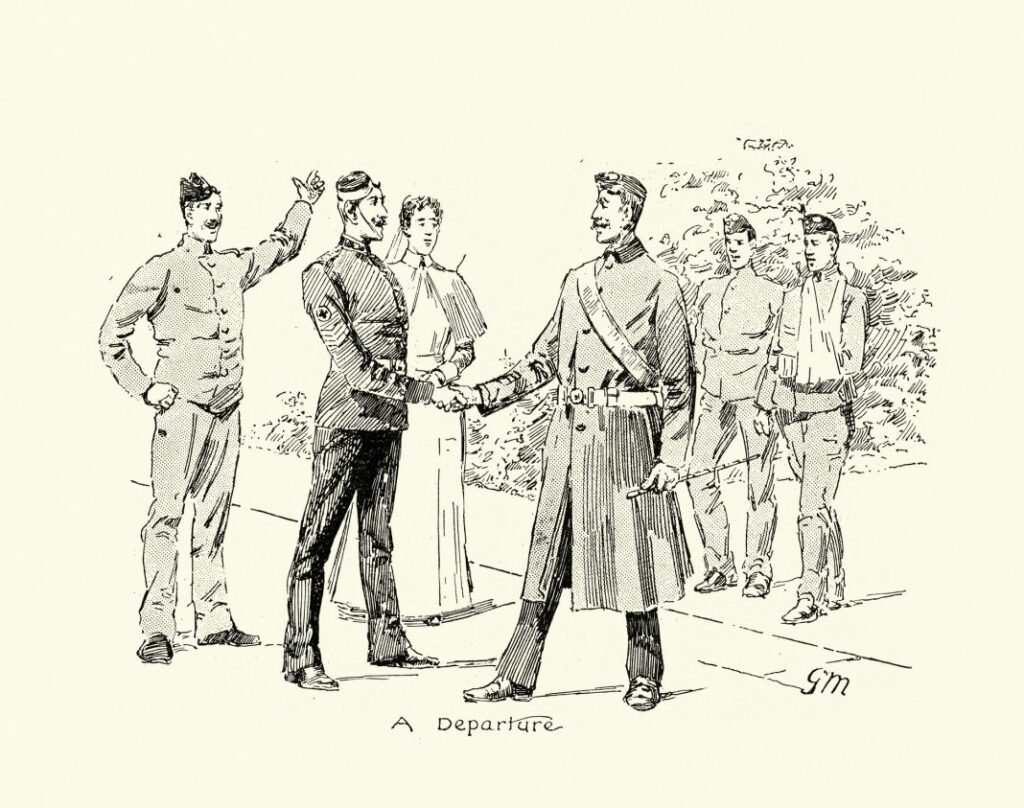
By the 19th and 20th centuries, the handshake had become standard in business, politics, and diplomacy. Leaders closed deals and treaties with it; ordinary people greeted friends and colleagues with it. The handshake became a universal language of credibility and respect.
The COVID-19 pandemic in 2020 abruptly disrupted this long tradition. Declared a risk for transmitting viruses, the handshake all but vanished, replaced by bows, nods, elbow taps, or hand-over-heart gestures. For a time, its survival seemed uncertain.
Yet the human need for touch, proved stronger. Scientists remind us that handshakes and similar gestures stimulate oxytocin, the “bonding hormone” that fosters trust and comfort. As restrictions eased, the handshake gradually returned.
Read More: Diplomatic Etiquette 101: Dos & Don’ts for Representing Your Country Abroad
What the Handshake Teaches Us
- Continuity: For millennia, the gesture has symbolized trust, respect, and mutual recognition.
- Adaptability: It has shifted from weapon check to oath, from knightly ritual to democratic greeting, from everyday norm to pandemic pause.
- Lesson: Etiquette is never static, it mirrors the society it serves.
In essence, the handshake is not just a greeting. It is a living story of how humans build trust: one clasp at a time.
The Unspoken Rules of Handshaking
Not every handshake is equal. Not every situation calls for one. But when it does, timing and order matter.
- A man greeting a woman? Unless he’s older or higher in rank, he should wait for her to extend her hand first.
- Two women meeting? The elder or married woman should go first.
- Host or guest? The host is responsible for extending their hand first.
- Meeting someone older or senior? Don’t reach out first. Wait for their lead.
- Man and woman meeting for the first time? Sometimes, a respectful nod and smile are more appropriate than a handshake.
And whenever you do shake hands, make eye contact, offer a genuine smile, remove gloves and sunglasses beforehand. Because in etiquette, even a simple gesture like a handshake speaks volume.

Catalina Bora
Catalina Bora is the founder of the Institute of Etiquette and Protocol. She can be reached at catalinabora@gmail.com