Washington (TDI): Fresh differences have emerged between the United States and Iran over key provisions of their recently signed peace framework, highlighting the challenges facing efforts to transform the fragile ceasefire into a lasting agreement.
While both sides completed the first round of negotiations in Switzerland earlier this week, they have offered conflicting interpretations of several major issues, including nuclear inspections, access to frozen Iranian assets, the future of the Strait of Hormuz and the situation in Lebanon.
US President Donald Trump claimed that Tehran had agreed to allow international nuclear inspections indefinitely, describing the arrangement as inspections extending into “infinity”. Iranian officials, however, rejected the assertion, insisting that the country’s nuclear program was not discussed during the talks and that no agreement had been reached regarding the return of inspectors from the International Atomic Energy Agency (IAEA).
The disagreement has cast uncertainty over one of the most sensitive aspects of the ongoing negotiations, which are expected to continue over the next 60 days under the framework agreement signed last week. The two sides also appeared divided over the handling of Iranian funds frozen abroad. Trump said any assets released under a future agreement would be used to purchase food and medical supplies from the United States. Iranian officials countered that Tehran alone would determine how any unfrozen funds are spent.
Read More: Dar Announces Safe Repatriation of Eight Iranian Fishermen
Despite the differences, both governments have expressed cautious optimism about the diplomatic process. Trump told supporters at a rally in Pennsylvania that negotiations were progressing smoothly and that Washington and Tehran were “getting along quite well.”
The initial agreement has already eased tensions in global energy markets. Oil prices extended their decline on Wednesday as commercial shipping resumed through the Strait of Hormuz, a vital route that carries roughly one-fifth of the world’s oil supplies.
The United Nations’ shipping agency said efforts were underway to evacuate thousands of seafarers stranded during the disruption caused by the conflict. Oman, which shares control of the strategic waterway with Iran, announced coordination measures with international maritime authorities to facilitate the safe movement of vessels.
However, uncertainty remains over the long-term status of the strait. While the current arrangement guarantees free passage for 60 days, Iranian officials have indicated that tolls or transit fees could be considered afterward. The United States has firmly rejected any such proposal.
The peace framework also calls for the lifting of certain US sanctions on Iran, the release of frozen assets and the creation of a multi-billion-dollar reconstruction and development fund aimed at supporting Iran’s economy after months of conflict.
Read More: Pezeshkian Calls for New Regional Security Framework Among Muslim Nations
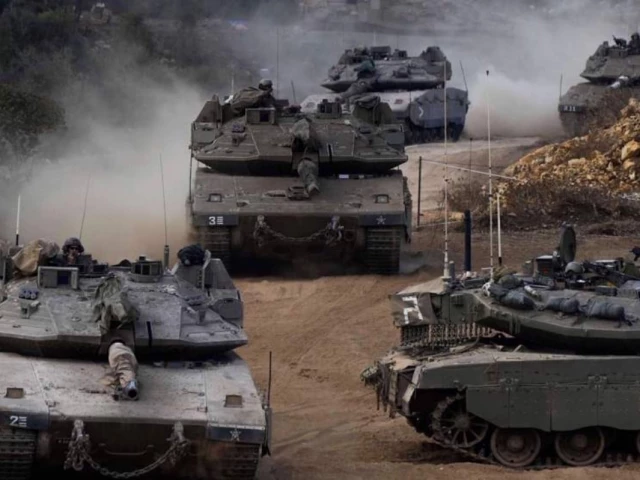
Meanwhile, tensions continue over Lebanon, another key component of the broader agreement. Iranian officials maintain that the deal requires an Israeli withdrawal from Lebanese territory, while Israel has stated it will retain a security presence in southern Lebanon and continue operations against perceived threats.
Although a ceasefire has largely held since the weekend, sporadic violence has continued, underlining the fragile nature of the wider peace process.