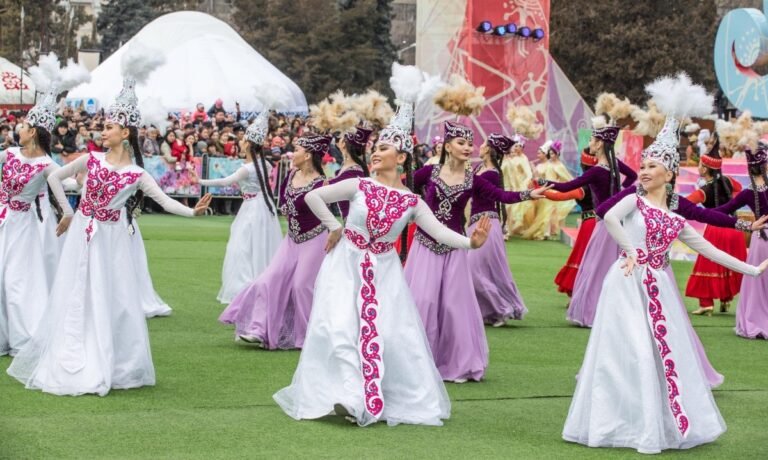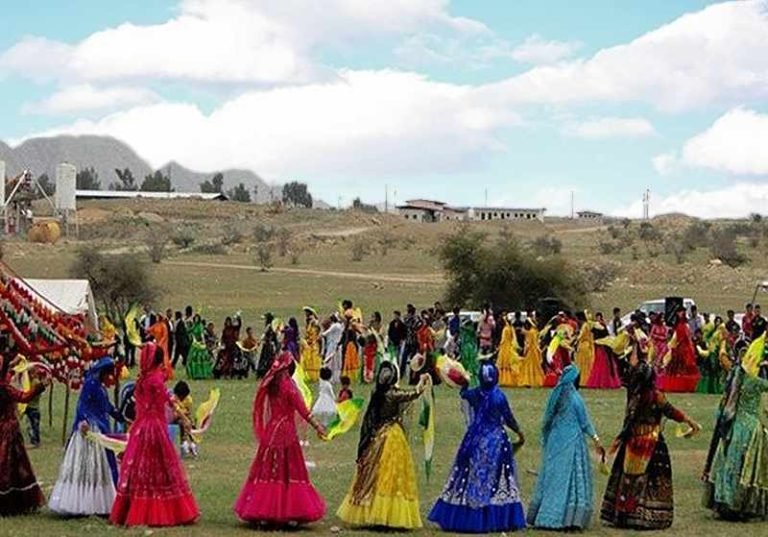
In the context of globalization and the clash of geopolitical interests, cultural diplomacy has emerged as a vital instrument for advancing national interests and ensuring regional security. At its core, cultural diplomacy recognizes Navruz as a premier tool for conflict prevention and the consolidation of sustainable peace. It is essential for countries to use this celebration not merely as a legacy of the past, but as a modern foreign policy strategy to foster a secure and prosperous region.
Navruz holds a distinguished place in human civilization as a unique cultural and historical phenomenon. As result of the culture-oriented policies of the President of Tajikistan, Emomali Rahmon, this age-old holiday has not only been revived within Tajikistan but has also attained international status. A key initiative of the President Emomali Rahmon in this direction is the transformation of Tajikistan into a global hub for Navruz celebrations and the establishment of grand cultural infrastructures.
It was through his dedicated efforts that in 2010, the UN General Assembly adopted a resolution officially recognizing March 21 as International Day of Navruz holiday. This initiative laid the groundwork for Tajikistan to be globally recognized as the “Cradle of Navruz.”
It is noteworthy that the revival of ancient traditions and national folk ceremonies is regarded as one of the most vital pillars of the cultural policy of the President of Tajikistan. These rituals, which for centuries had faded into obscurity for various reasons, have now once again become an inseparable part of the Navruz celebration and the social life of the Tajik people.
Sayri Guli Lola (the Tulip Festival), a celebration of beauty and reverence for nature, is one of the most ancient spring festivals of the Aryan peoples. During the period of State Independence, it attained official state status through the initiative of the President of the country.
This festival is more than just a floral display; it symbolizes the awakening of nature and an appreciation for beauty. In our literature, the tulip stands as a symbol of the martyrs of the path to freedom and, at the same time, a sign of a vibrant spring. Today, the Sayri Guli Lola competition is being held across all cities and districts of Tajikistan, contributing to the beautification and environmental greening of the country.
Read More: Nowruz Celebrations in the Arab Countries
The Juftbaroron ceremony, a traditional ploughing ceremony, a symbol of blessing and sustenance, marks the commencement of agricultural activities and the sowing season. Emomali Rahmon, through his personal participation in this ancestral rite, has breathed new life into the tradition. On this day, experienced farmers rub oil on the horns of the oxen, symbolizing abundance, offer prayers for prosperity, and scatter the first hopeful seeds into the earth.
The celebration of Navruz holiday is inconceivable without the hosting of national sports competitions. The revival of these traditional sports is aimed at the physical education of the younger generation, promoting a healthy society, and strengthening the spirit of patriotism.
National wrestling is the most popular sport, attracting wrestlers from all over the country and even from abroad. Through the initiative of the Chairman of the City of Dushanbe, Rustam Emomali, this sport has attained international status—a truly historic milestone for national and cultural sports in showcasing Tajik civilization to the world. This decision is significant not only for the sports sector but also for the country’s cultural foreign policy, as the name Gushtingiri now resonates on the international stage alongside Judo, Sambo, and Kurash.
Thanks to the initiatives of the President of Tajikistan, Navruz is today fully preserved in this country with all its historical traditions. These traditions serve as the ‘pillars’ of our national identity, connecting us with our glorious past.
The revival of these customs is not merely a symbolic display; this process represents a “Cultural Revolution” that preserves the unbreakable spirit of the nation. It protects young people from the influence of foreign factors and xenophilia, while showcasing Tajikistan to the world as a country with a rich tourism culture.
Under the cultural-fostering policy of the President of the Republic of Tajikistan, one of the most magnificent architectural landmarks Kokhi Navruz (Navruz Palace) complex was constructed and commissioned in the city of Dushanbe, which today serves as a recognized international center for this national holiday. Kokhi Navruz is not merely a grand building, but a living exhibition of national arts such as woodcarving, plaster carving (gachkori), mirror-work, and traditional painting, embodying the spirit of this age-old holiday.
Read More: Navruz as Soft Power: The Strategic Role of the International Navruz Center
Important regional and international events featuring heads of state are held at Kokhi Navruz. At the same time, the aforementioned facility serves as a museum of folk crafts and a center for cultural diplomacy, becoming one of the primary destinations for foreign tourists, where the finest examples of Tajik handicrafts are gathered.
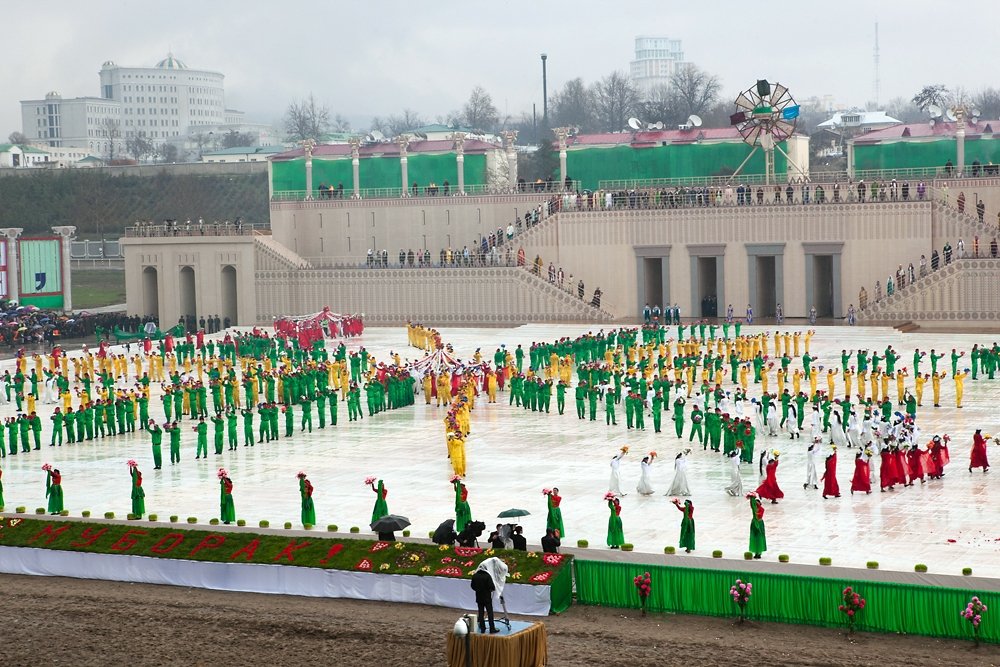
At the same time, there is a special complex called Navruzgoh in the city of Dushanbe, which was built with a unique architectural design and annually brings together thousands of native and foreign guests during the Spring Holidays. Navruzgoh is the main symbol of the Navruz holiday and the venue for magnificent folk holidays.
Indeed, the establishment of “The International Center of Navruz” in Tajikistan is considered a strategic and cultural initiative of President Emomali Rahmon. This initiative plays a key role not only in preserving national identity but also in presenting Tajikistan as a center of Aryan civilization on the global stage.
The Republic of Tajikistan promotes its soft power policy through “The International Center of Navruz”, as Navruz serves as the finest instrument for friendship and cooperation with neighboring countries and the world. On March 31, 2025, on the eve of the celebration of the Navruz holiday in Khujand, the signing of a friendship treaty between the three brotherly and neighboring countries, Tajikistan, Kyrgyzstan, and Uzbekistan, confirms the abovementioned words.
Hosting high-level summits in the Didor, Arzhang, Zarandud and Guliston halls of Kokhi Navruz allows global politicians to gain firsthand experience with the peace-loving culture of the Tajik people.
Thus, the initiatives of President Rahmon, in opening and launching the Navruz Center, have proven that for Tajiks, Navruz is not merely a calendar holiday. But it also represents a set of values that fosters peace, constructive action, and respect for the environment. Through these actions, Tajikistan has solidified its status as the driver of global Navruz.
*The views presented in this article are the authors’ own and do not necessarily reflect the views of The Diplomatic Insight.

Akbar Salimov
Akbar Salimov is a senior researcher at the Department of South-East Asia, Institute for Asian and European studies of the National Academy of Sciences of Tajikistan.