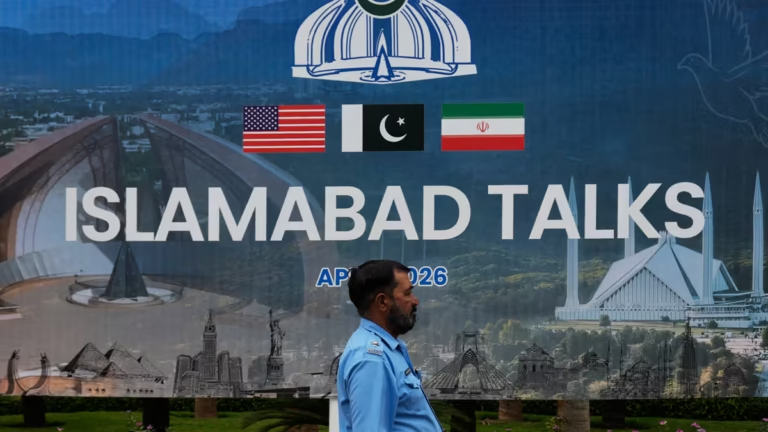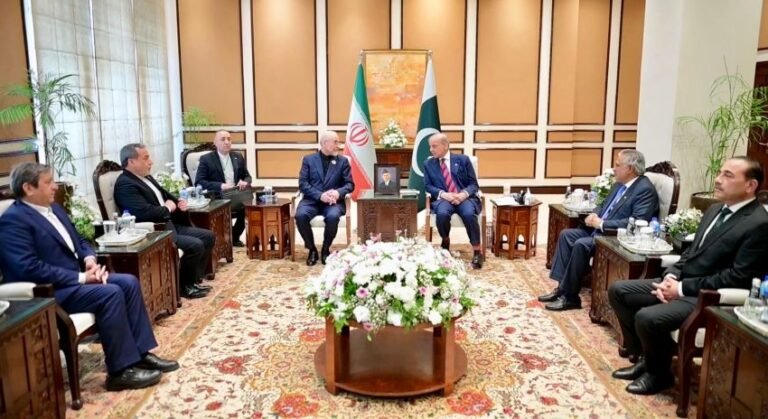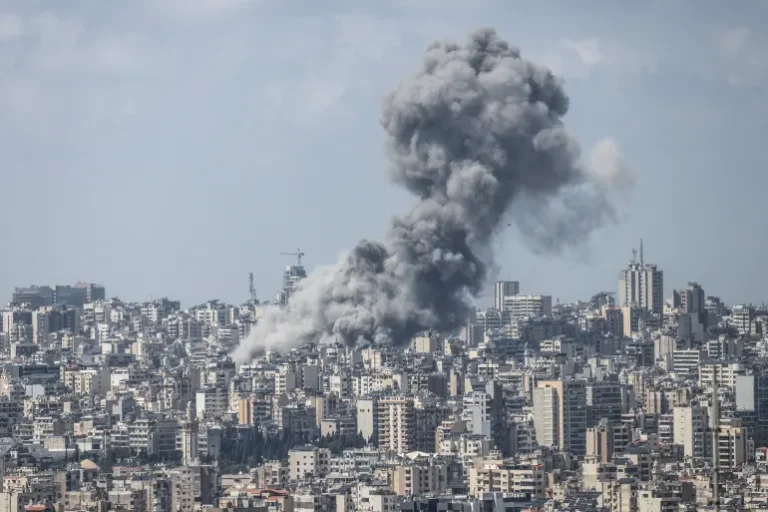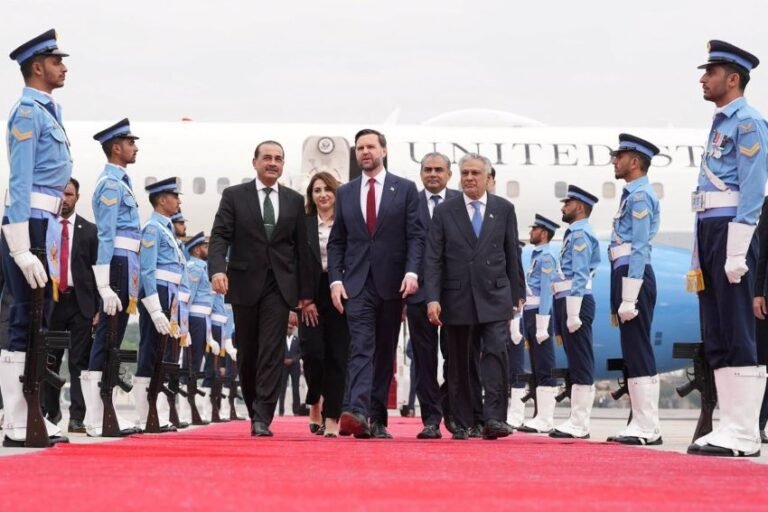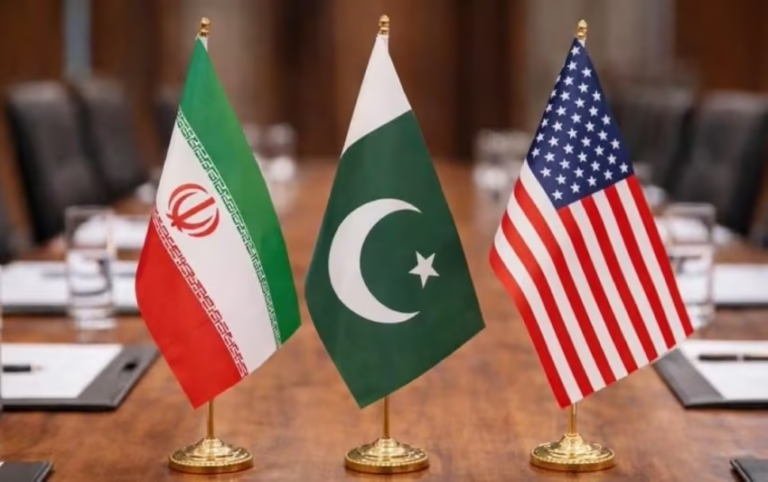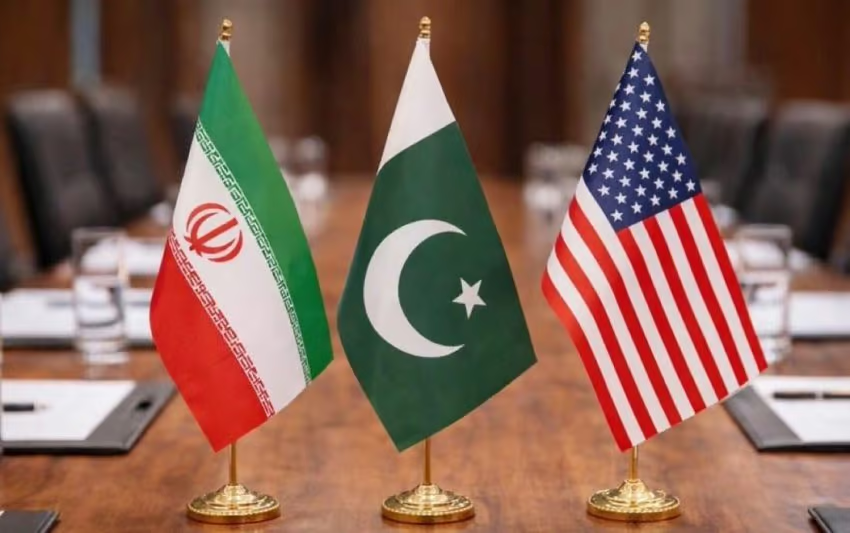
The Iran-US heightening tension seemed to be ending dramatically as President Donald Trump threatened to wipe out a civilization. However, his tone suddenly changed, and a two-week ceasefire agreement was reached. During this period, Pakistan’s role is being appreciated globally, as it is a country for which a ceasefire is essential.
It faced a complex dilemma—on one hand, its growing proximity to the United States, and on the other hand, its deep religious and cultural ties with Iran. At the same time, Pakistan’s defense agreement with Saudi Arabia, amid rising tensions, was increasingly limiting its option to remain neutral.
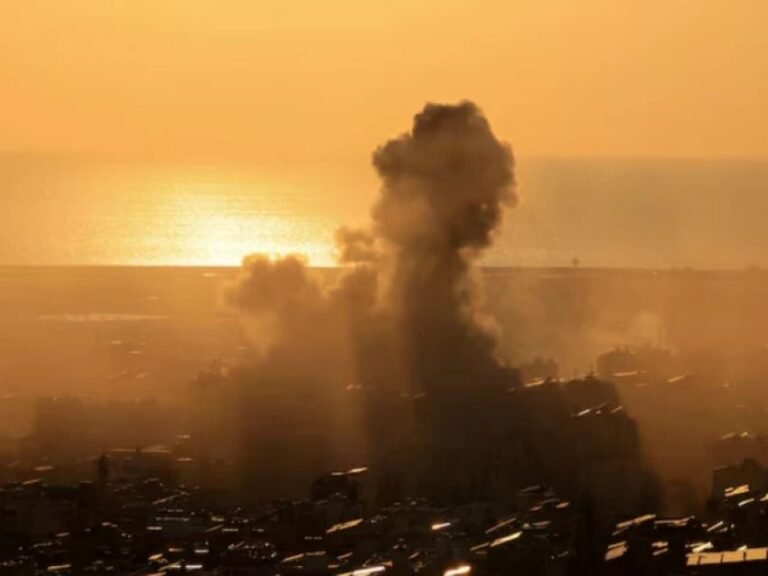
The media and governments around the world have acknowledged Pakistan’s balanced foreign policy, which has contributed to reducing tensions during a critical time. During conflict, global markets reacted sharply to the uncertainty. Surging oil prices have badly affected the world economy.
After the closure of the Strait of Hormuz, through which nearly one-fifth of the global oil consumption passes. Rising energy and gas prices have intensified economic strain, particularly in nations reliant on energy imports, worsening inflationary pressures.
For Pakistan, the crisis is particularly severe compared to many developing economies, with the rising poverty rate and economic stress, the burden falling largely on ordinary citizens. Even before this development, the poverty rate had increased to 29%. Rising prices of essential goods could have created further challenges.
Read More: World Is Holding Its Breath in Islamabad
To understand the Islamabad strategy, realist and constructivist perspectives provide useful insight. From a realist standpoint, Pakistan refrained from aligning with any single party, and as the situation escalated, it managed to address the issue through effective and strategic diplomacy.
Through this approach, Pakistan aims to ensure security and economic stability by adopting meaningful diplomacy. From a constructivist perspective, the relationship between Iran and its neighbors is shaped by shared history, cultural ties, and a foundation of mutual goodwill among their societies and leadership.
Iran was the first country to recognize Pakistan after its independence. Pakistan has the second-largest Shia population after Iran globally, reflecting an important religious and cultural linkage between the two states. At the same time, Pakistan maintains significant ties with the United States, placing it among the few countries that engage constructively with both sides.
This unique position reflects its strategic diplomatic relevance and creates an opportunity to facilitate dialogue between them.
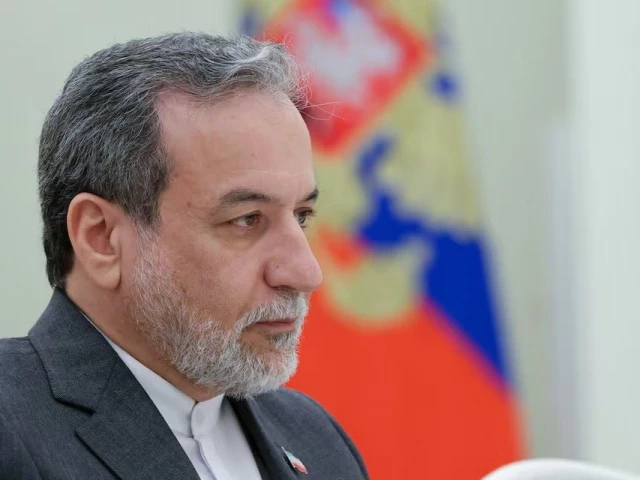
Amid heightened tensions, Abbas Araghchi’s decision to express gratitude in Urdu on X, emphasizing “solidarity” and thanking both the Pakistani government and its people for their support, reflects a close diplomatic bond between the two countries.
Read More: Islamabad’s Moment: Why Only Pakistan Can Broker an End to Iran War
In addition to official gestures, public sentiment in Iran, as seen in demonstrations in favor of Pakistan, adds an important dimension to Iran’s diplomatic signaling. It reflects not only the Iranian people’s trust in Pakistan but also their appreciation for its balanced approach during a critical regional crisis.
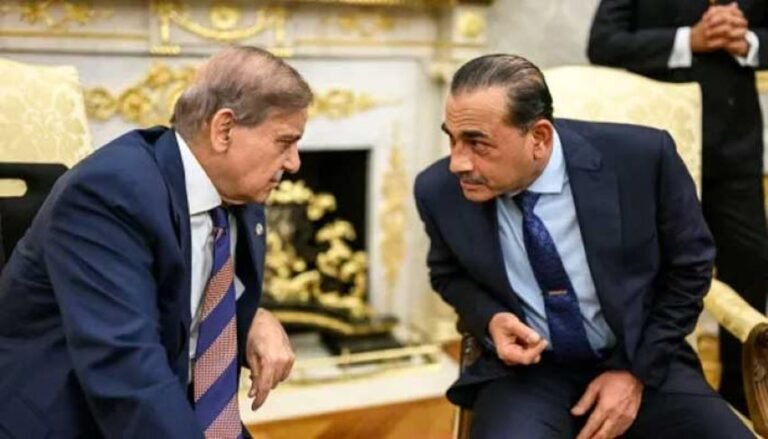
Conversely, Pakistan’s engagement with the United States leadership, including Donald Trump’s interactions with army chief Asim Munir and prime minister Shehbaz Sharif, creates additional diplomatic space for the country to navigate complex regional challenges.
These interactions reflect an effort to maintain constructive relations with key global actors. Such engagement has further strengthened Pakistan’s ability to contribute to diplomatic efforts amid evolving regional dynamics.
This whole situation not only creates a conducive environment for Pakistan’s meaningful diplomacy but also demonstrates its importance in the region. Despite challenges, Pakistan’s efforts to navigate the internal and external challenges are commendable. It’s upper hand in the Pak-India war, and now its role in stopping this escalating conflict has enhanced its overall reputation.
Rather than viewing this moment as a temporary success, Pakistan should capitalize on this enhanced reputation to secure tangible economic and political gains. By leveraging its position, it can attract investment, strengthen regional partnerships, and reinforce its role as a key diplomatic actor in future conflicts.
*The views presented in this article are the author’s own and do not necessarily reflect the views of The Diplomatic Insight.

Saqib Tariq
Saqib Tariq is a student of Conflict, Peace, and Development Studies at COMSATS University Islamabad, Abbottabad, and affiliated with the Institute of Regional Studies, Islamabad.