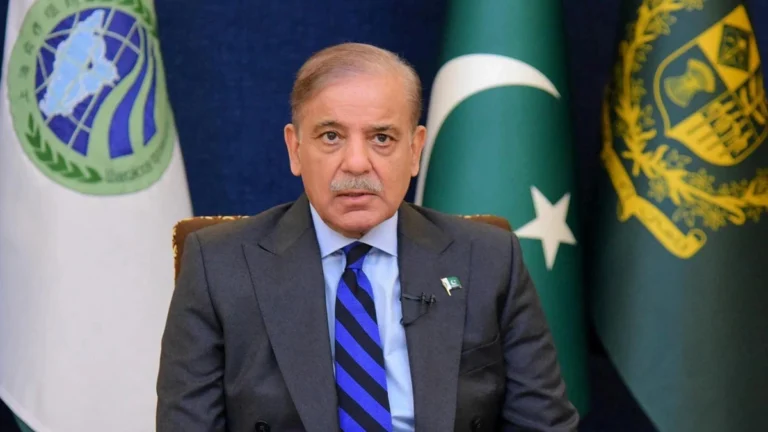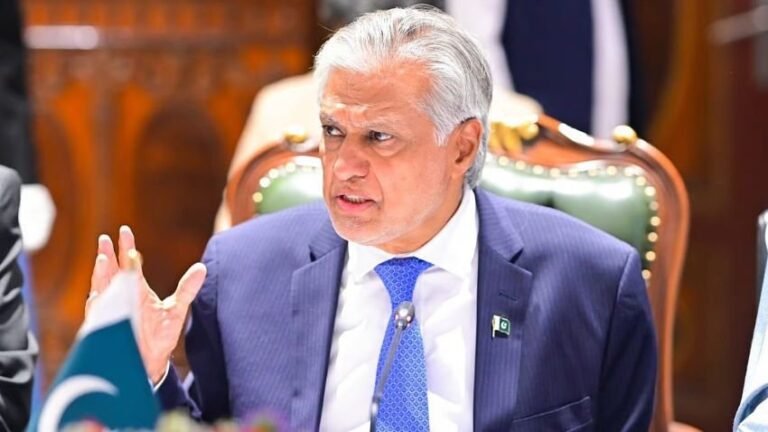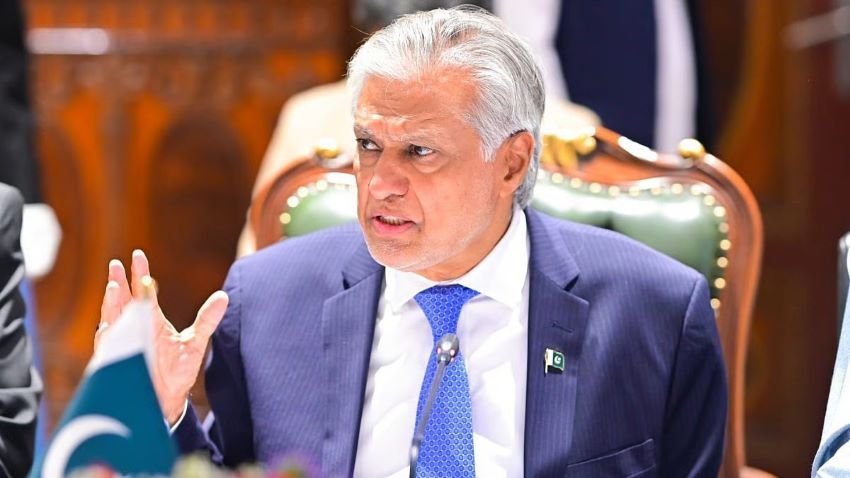
Islamabad (TDI): Deputy Prime Minister and Foreign Minister Ishaq Dar is set to begin an official visit to China on Tuesday, following an invitation from Chinese Foreign Minister Wang Yi, the Foreign Office said on Monday.
According to the statement, ties between Pakistan and China remain strong under their longstanding “all-weather strategic cooperative partnership,” marked by consistent coordination and dialogue on regional and global matters. Officials say the visit will allow both sides to engage in detailed discussions on current regional developments, along with key bilateral and international issues.
Despite being advised to rest after suffering a minor shoulder fracture a day earlier, Dar chose to proceed with the trip, underlining the significance Islamabad places on its relationship with Beijing.
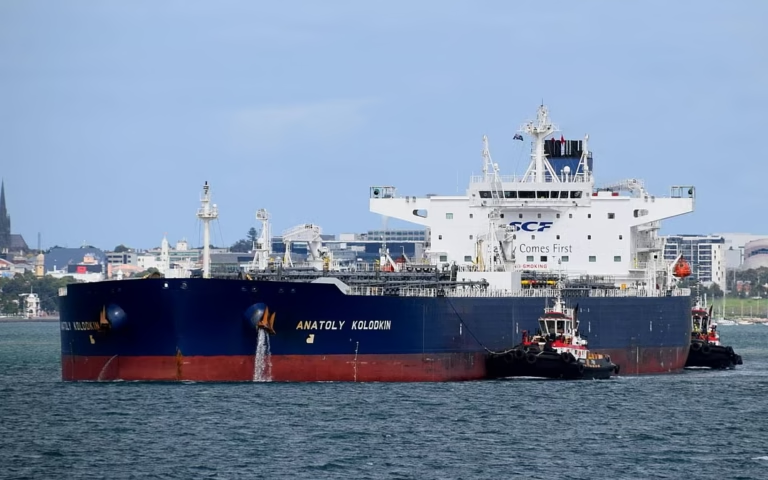
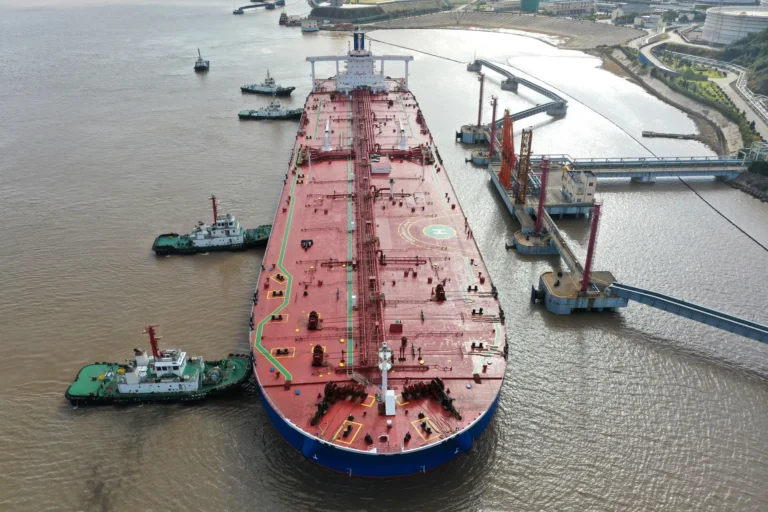
Just days earlier, Dar and Wang Yi spoke over the phone, where they reviewed the shifting regional landscape and wider global concerns. During the conversation, Wang acknowledged the complexity of initiating peace efforts in Iran War, but stressed that such steps could help restore normal shipping activity through the strategically vital Strait of Hormuz.
Read More: Khawaja Asif Calls Iran War Diplomacy ‘Major Opportunity’ for Pakistan
Both sides reaffirmed their commitment to pushing for a ceasefire, reducing hostilities, and reviving dialogue, while also emphasizing the need to safeguard civilian infrastructure and critical maritime routes. China also expressed support for Pakistan’s diplomatic efforts, particularly its role in mediation.
This isn’t the first recent engagement between the two foreign ministers. Earlier in March, Wang had already praised Pakistan’s constructive approach in easing tensions and promoting stability in the Middle East.
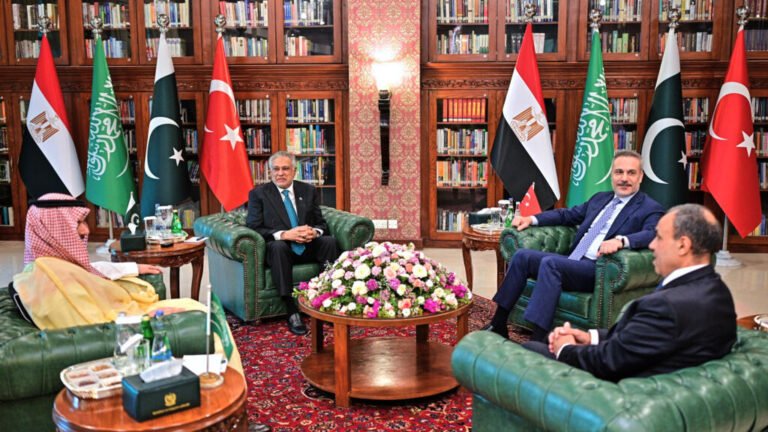
Read More: Saudi, Turkish, Egyptian FMs to Visit Islamabad as Pakistan Pushes Iran War Mediation
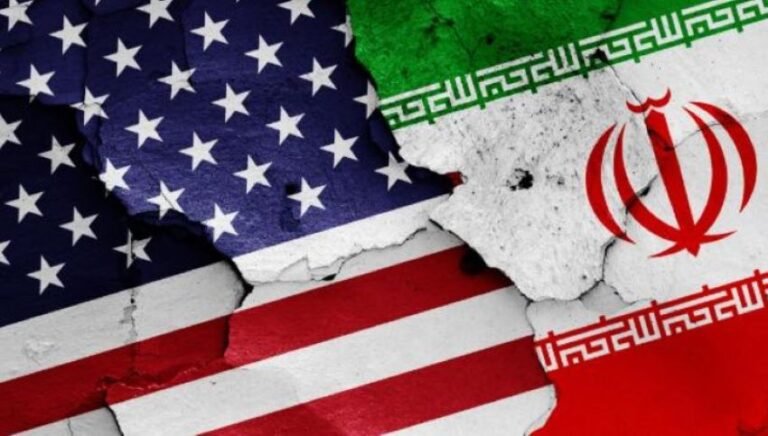
The visit comes at a time when Pakistan has emerged as a key intermediary in efforts to defuse tensions between the United States and Iran. Working alongside regional players such as Saudi Arabia, Turkiye, and Egypt, Islamabad is facilitating indirect communication between Washington and Tehran through structured message exchanges rather than direct talks.