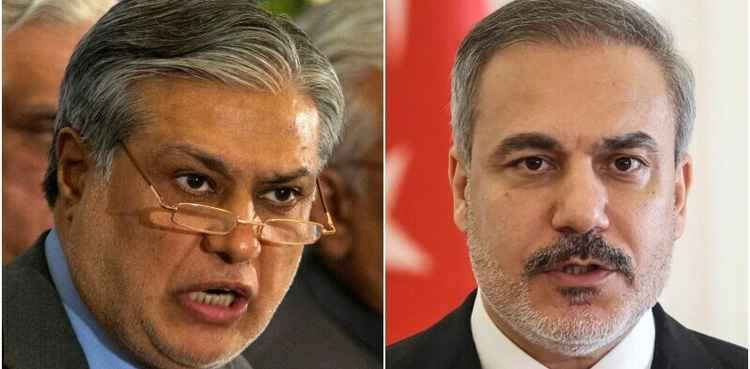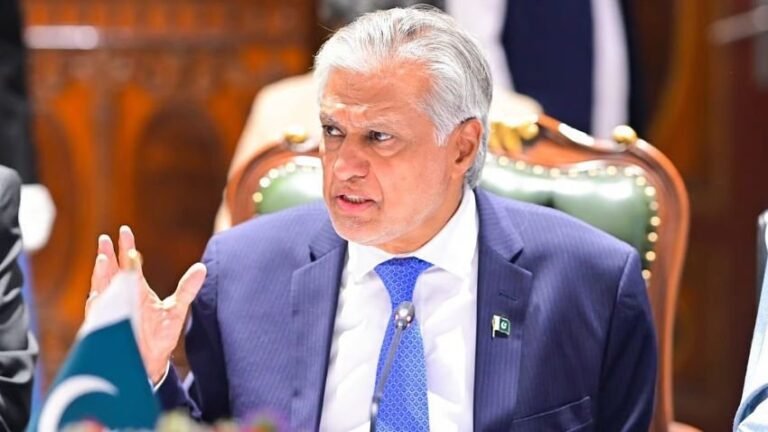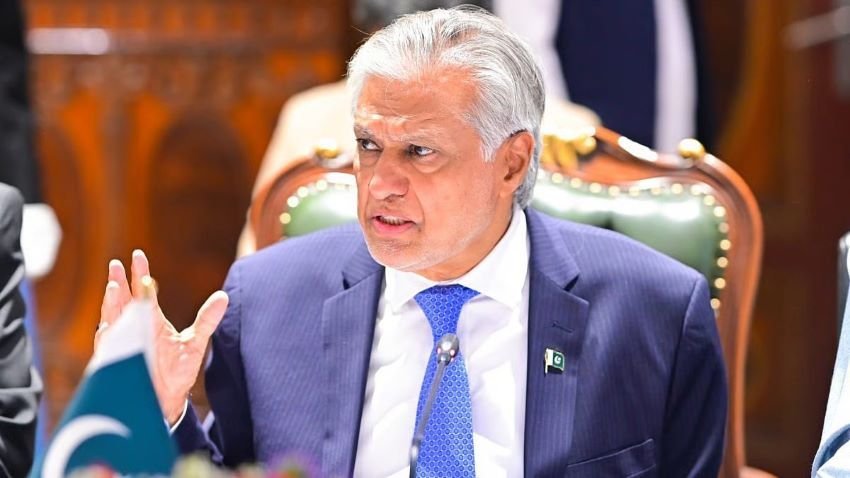
Islamabad (TDI): Deputy Prime Minister and Foreign Minister Ishaq Dar will travel to Riyadh today to participate in a regional foreign ministers’ meeting, Pakistan’s Foreign Office announced.
In a post on X, the Foreign Office said Dar will use the platform to reinforce Pakistan’s diplomatic stance amid growing tensions in the Middle East.
“During the meeting, the DPM/FM will express complete support for the territorial integrity, sovereignty, and political independence of all brotherly countries in the region, and call for an end to all attacks on their territory,” the statement read.
Dar is expected to reiterate Pakistan’s call for an immediate cessation of hostilities and emphasize the importance of dialogue and diplomacy. He will also highlight Pakistan’s ongoing diplomatic initiatives and commitment to playing a constructive role in addressing regional security challenges.
The visit comes as the US and Israel continue their military campaign against Iran, escalating instability across the region. Iranian state television reported on Wednesday that Iran targeted Tel Aviv with missiles carrying cluster warheads, citing the strikes as retaliation for Israel’s assassination of Iran’s security chief, Ali Larijani.
Read More: Dar Discusses Regional Situation with Azerbaijani Counterpart
Earlier this month, on March 12, Prime Minister Shehbaz Sharif visited Riyadh for talks with Saudi Crown Prince Mohammed bin Salman on the regional situation.
Amid rising tensions following US-Israeli strikes, Pakistan has reaffirmed its strategic commitment to Saudi Arabia while urging restraint to prevent a wider regional conflict. Prime Minister’s spokesperson for foreign media Mosharraf Zaidi emphasized Islamabad’s deep ties with Riyadh, saying Pakistan would support Saudi Arabia if required, but that its immediate priority remains containing escalation.
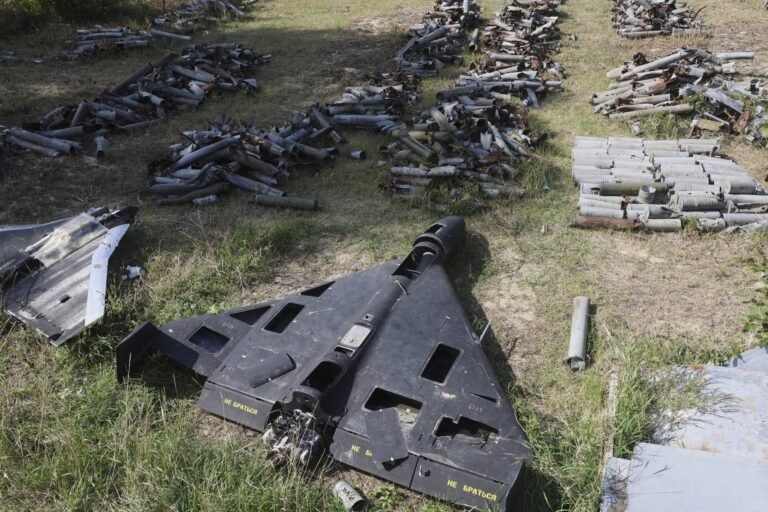
Iran has responded to US-Israeli actions with missile and drone strikes not only on Israel but also targeting Gulf states hosting US military facilities, including Saudi Arabia, expanding the conflict’s regional impact.
Read More: Iran Thanks Pakistan for ‘Strong Solidarity’ Amid War with US and Israel
The escalation has disrupted key infrastructure across Gulf countries, including airports, ports, hotels, and oil and military facilities. Airspace closures have forced the cancellation of roughly 40,000 flights, representing the largest disruption to global air travel since the COVID-19 pandemic. The Strait of Hormuz, through which nearly one-fifth of the world’s oil and liquefied natural gas passes, has also faced disruptions, intensifying economic concerns.