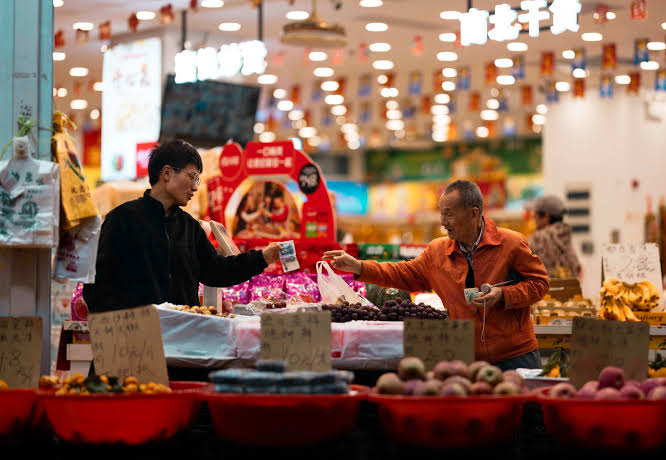
Washington (TDI): China and the United States have agreed to reduce tariffs on $60 billion worth of goods traded between the two countries, covering products ranging from US agricultural commodities to Chinese household appliances and consumer goods.
Under the US-China Board of Trade, each side has recommended $30 billion worth of non-sensitive trade for more favourable tariff treatment, US Trade Representative Jamieson Greer said.
Greer said the US measures would improve market access for goods representing around 30 percent of American exports to China.
The reciprocal tariff reductions formed part of the outcomes of last week’s summit between Chinese President Xi Jinping and US President Donald Trump in Washington, where the two sides also agreed to extend their trade truce.
China’s proposed tariff reductions cover US corn, wheat, sorghum, meat, dairy products, vegetable oils and meals, as well as fish and seafood, timber, cosmetics and medical devices. Soybeans were not included in the listed products.
Washington, meanwhile, plans to reduce tariffs on a range of Chinese consumer goods, including small household appliances such as coffee makers and toasters, tableware, blankets and bed linens.
The list also covers toys, fireworks, artificial flowers, Christmas tree lights and other holiday decorations, as well as children’s car seats.
China’s Ministry of Commerce said on Monday that the two-month extension of the US-China trade truce through January 10 would provide both sides with additional time to assess their existing arrangements and consider further measures to address economic and trade issues.
Read More: Pakistan, China Discuss Expanded Agri Trade and Cooperation
The ministry said the extension would provide a relatively stable and predictable policy environment for businesses and allow bilateral discussions to continue.
The two countries also agreed to hold regular consultations on potential investment opportunities and market barriers, improve policy transparency and respond to concerns raised by companies.
The tariff arrangements are also linked to wider commitments on agricultural trade. The White House has said China committed to purchase $17 billion worth of US agricultural products. Beijing has already resumed large-scale purchases of US soybeans under an earlier arrangement involving annual purchases of 25 million metric tons.
China and the US will establish an agriculture working group under the bilateral trade council, with its first meeting scheduled before the end of the year. The group will discuss market access, agricultural regulations and related trade issues.
The summit also produced an agreement for China to import 10 million metric tons of US coal annually in 2027 and 2028, according to the White House.
Read More: Trade War on Hold: US, China Delay Tariff Hikes for 90 Days
The volume represents roughly 2 percent of China’s annual coal imports. Liquefied natural gas and crude oil were not included in the new import arrangement.
China’s Commerce Ministry said US coal would supplement domestic supplies while contributing to economic activity and employment in the US coal sector.
The two governments also agreed to establish a communication channel for incidents involving artificial intelligence and hold a follow-up dialogue by the end of November.
China will examine applications from foreign financial services companies, including US-backed institutions, seeking to conduct business and establish branches in the country.
Washington and Beijing will also continue discussions on increasing direct flights between the two countries. Despite the agreements announced after the summit, Chinese stocks declined sharply on Monday, with technology shares coming under pressure amid a bipartisan US push to restrict Chinese components in data centres.
The developments highlight both the progress and continuing tensions in the broader US-China economic relationship, as the two governments seek to stabilize trade while negotiations continue on technology, investment and market access.