Islamabad (TDI): China has called on the international community to back a joint peace initiative with Pakistan aimed at de-escalating the intensifying conflict in the Middle East, warning that continued hostilities risk severe global economic fallout.
The appeal comes as fighting linked to Iran has disrupted energy markets and trade routes, particularly after Tehran’s move to shut down the Strait of Hormuz, a critical artery for global oil shipments.
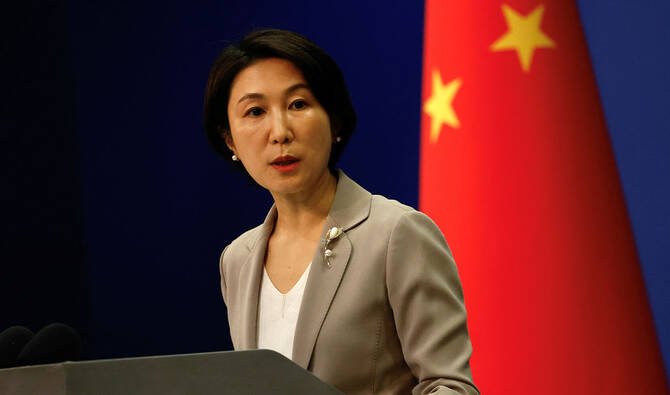
Speaking at a press briefing in Beijing, Chinese Foreign Ministry spokesperson Mao Ning described the joint proposal as a “rational and just” effort to reduce tensions and build international consensus. She emphasized that the initiative remains open to all countries and organizations willing to contribute to peace efforts.
The five-point plan, developed following high-level discussions between Pakistan’s Deputy Prime Minister and Foreign Minister Ishaq Dar and Chinese Foreign Minister Wang Yi, outlines key steps to stabilize the region.
These include an immediate ceasefire, the initiation of peace talks, protection of civilian and commercial infrastructure, and ensuring secure maritime navigation.
🇨🇳FM Wang Yi met with 🇵🇰Pakistani Deputy Prime Minister & Foreign Minister Mohammad Ishaq Dar.
The two sides put forward a five-point initiative for restoring peace and stability in the Gulf and Middle East Region.
Full text: https://t.co/eocjfa4h3b pic.twitter.com/tuR8kIfVGa
— Mao Ning 毛宁 (@SpoxCHN_MaoNing) March 31, 2026
The proposal also underscores the importance of adhering to the United Nations Charter and safeguarding the sovereignty and territorial integrity of regional states, including Iran and Gulf countries.
The conflict, which erupted on February 28 following US-Israeli strikes on Iran and subsequent retaliation by Tehran, has triggered widespread concern over its spillover effects.
Officials in Beijing warned that the situation is increasingly undermining global stability, with energy supply disruptions already rippling across international markets.
China signaled it would maintain close coordination with Pakistan and other stakeholders to push for a ceasefire and diplomatic resolution. The joint effort reflects a broader attempt by both countries to position themselves as mediators in a rapidly deteriorating geopolitical landscape.
The initiative highlights growing cooperation between Islamabad and Beijing on global security issues, particularly as both nations seek to amplify the voice of the Global South in conflict resolution.
With tensions showing little sign of easing, the success of the proposed peace plan may depend on how quickly major powers and regional actors respond to the call for dialogue.