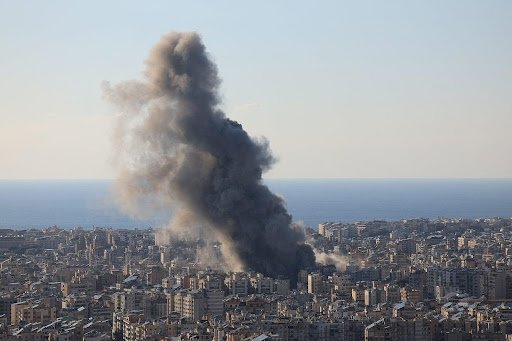
As tensions escalate in the Middle East, attention has largely been focused on military developments involving the United States, Israel and Iran. Yet beyond the battlefield, a quieter but equally important story is unfolding; one about energy security, economic resilience and long-term strategy. Recent discussions in public and social media have suggested that China may be relatively better positioned than many other major economies to weather the current crisis.
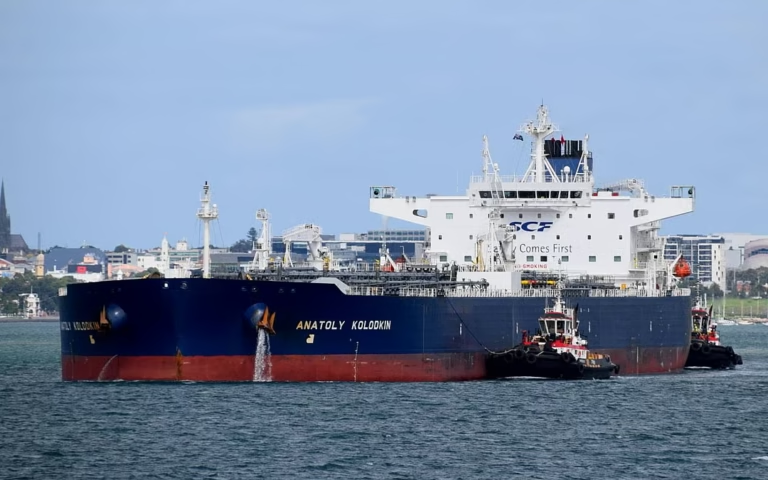
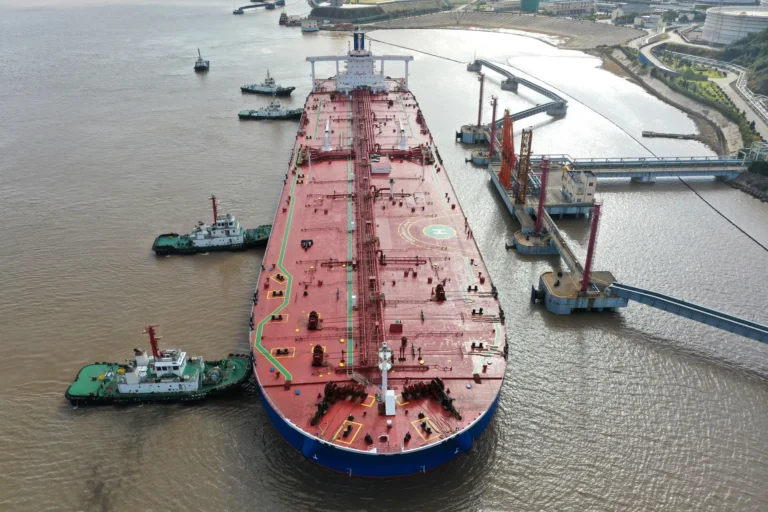
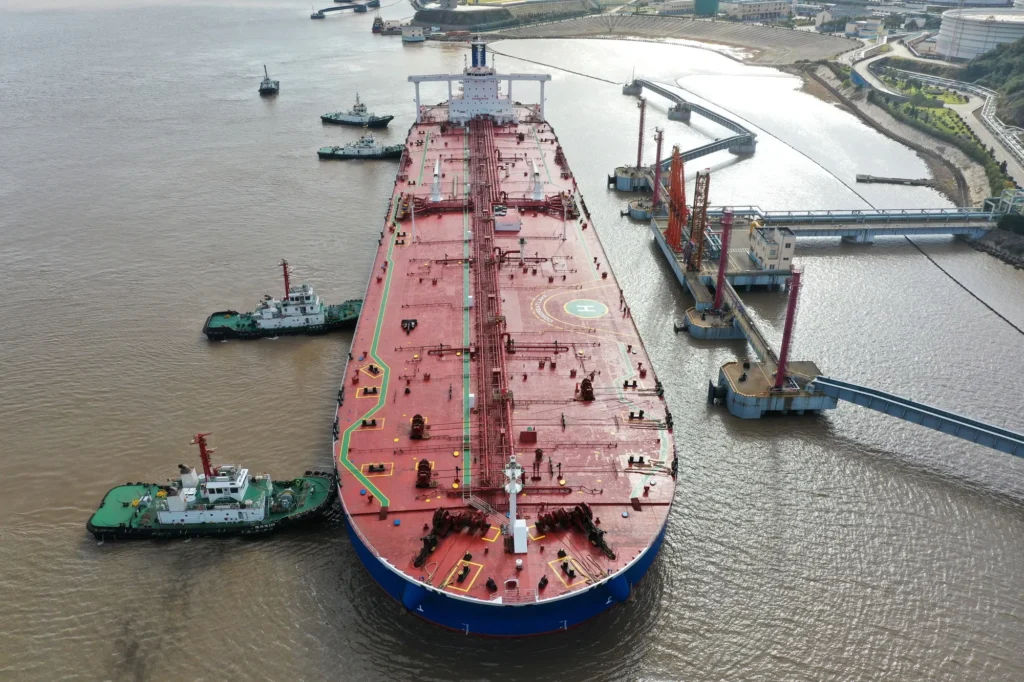
At the center of this geopolitical moment lies the Strait of Hormuz, a narrow maritime passage through which nearly 20 million barrels of oil pass each day, accounting for roughly one-fifth of global consumption. Any disruption to this corridor has immediate global consequences, pushing up prices and intensifying uncertainty across energy markets.
China, as the world’s largest crude oil importer, would appear highly vulnerable to such disruptions. In 2025, its crude imports reached approximately 11–12 million barrels per day, reflecting the scale of its energy demand. However, Beijing has spent decades preparing for precisely this kind of scenario. One key element of this preparation has been the accumulation of strategic oil reserves.
While exact figures are difficult to verify, estimates suggest that China’s combined government and commercial stockpiles amount to hundreds of millions and possibly over a billion barrels of crude oil. This provides a critical buffer, allowing the country to sustain supply even during temporary disruptions.
China has also strengthened long-term energy relationships with key suppliers, including Iran. The 2021 cooperation agreement between the two countries, although often overstated in scale, reflects a broader pattern of sustained economic engagement. Despite sanctions, Iranian oil has continued to find its way into Chinese markets, often at discounted rates through indirect trading mechanisms.
Read More: China Steps in with Aid for Iran, Jordan, Lebanon and Iraq
Equally important is China’s effort to diversify not just suppliers but the structure of its energy consumption. Over the past two decades, China has invested heavily in renewable energy, becoming the global leader in solar and wind power capacity. By the mid-2020s, a significant share of its electricity demand growth was being met through clean energy sources. The rapid expansion of electric vehicles further reinforces this shift.
In recent years, nearly half of new passenger vehicle sales in China have been electric, reducing long-term dependence on imported oil. While fossil fuels still dominate the energy mix, these structural changes provide a degree of insulation from global oil shocks.
Analysts have therefore argued that China is less sensitive to disruptions in the Strait of Hormuz than many other Asian economies, not because it is immune, but because it has developed multiple layers of resilience from stockpiles to diversification.
At the same time, China has maintained a cautious diplomatic posture. Rather than direct involvement in regional conflicts, Beijing has focused on preserving stable economic relations with all major actors. This pragmatic approach allows it to continue securing energy supplies while avoiding the costs of military engagement. However, it is important to avoid overstating China’s advantage.
The country remains heavily dependent on imported energy, and a prolonged disruption in global shipping routes would still have serious economic consequences. Moreover, claims that access to the Strait of Hormuz is selectively granted to specific countries should be treated with caution, as maritime dynamics in the region are complex and constantly evolving.
Read More: China Targets 4.5-5% Economic Growth, Pledges Against Power Politics
What is more accurate is that China’s long-term strategy combining energy diversification, infrastructure investment and economic diplomacy has reduced its vulnerability relative to many others. The broader lesson is that modern geopolitical competition is no longer confined to military strength alone. It increasingly involves control over supply chains, energy systems and financial networks.
Countries that anticipate risks and invest in resilience are better positioned to navigate crises, even those they did not create. For countries like Pakistan, the implications are significant. Energy insecurity remains a persistent challenge, with heavy reliance on imported fuel and limited strategic reserves.
The contrast highlights the importance of long-term planning, regional cooperation and diversification in reducing vulnerability to external shocks. The Iran crisis may not produce a clear “winner,” but it does reveal an important shift in how power operates in the 21st century.
China’s relative resilience is not accidental; it is the result of sustained strategic choices made over decades. In geopolitics, crises often expose weaknesses. But they also reveal who has prepared for them.
*The views presented in this article are the author’s own and do not necessarily reflect the views of The Diplomatic Insight.

Shafqat Ali
Shafqat Ali is a Master’s student of Political Science at Universitas Airlangga, Surabaya, Indonesia. He can be reached at shafqat.ali-2024@fisip.unair.ac.id