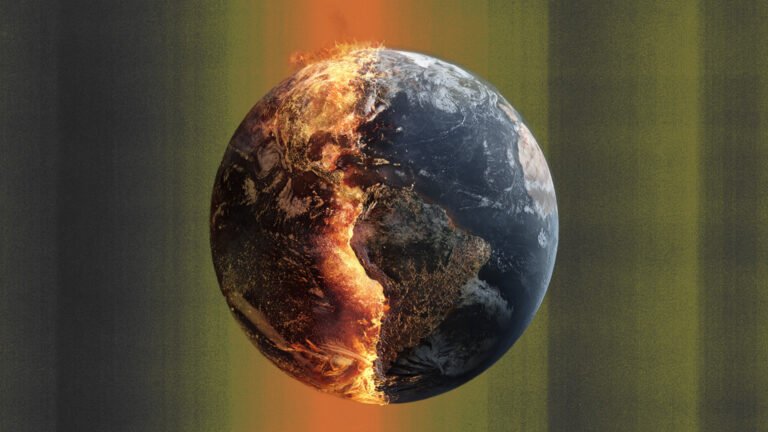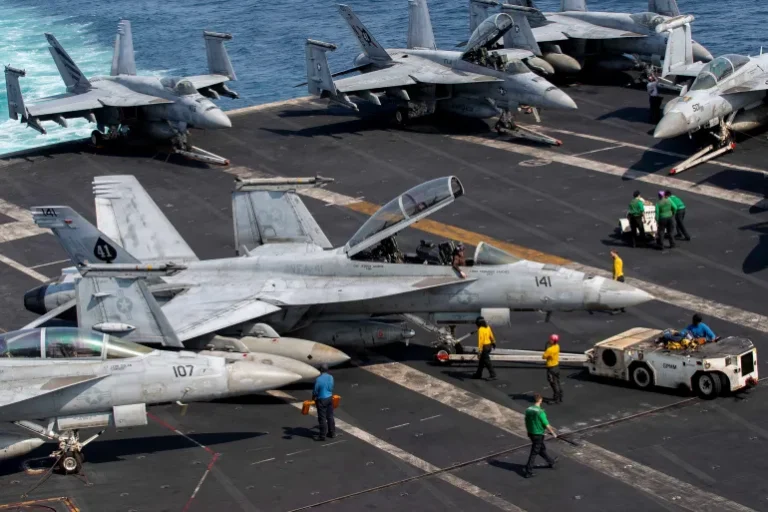
Over twenty days into the escalating tensions between Iran, the United States, and Israel, the world finds itself watching yet another dangerous conflict unfold—this time under the shadow of a troubling silence. The absence of decisive intervention by international organizations raises a fundamental question: have the very institutions created to prevent war and uphold justice become ineffective in today’s geopolitical reality?
The modern international order was shaped in the aftermath of World War II, a conflict that devastated nations and claimed tens of millions of lives. Determined to prevent such a catastrophe from recurring, the global community established the United Nations in 1945. Its primary mission was clear—maintain international peace, ensure collective security, and promote the rule of law among nations. Over time, regional bodies such as the Organization of Islamic Cooperation, North Atlantic Treaty Organization, the European Union, and the African Union emerged to strengthen this framework.
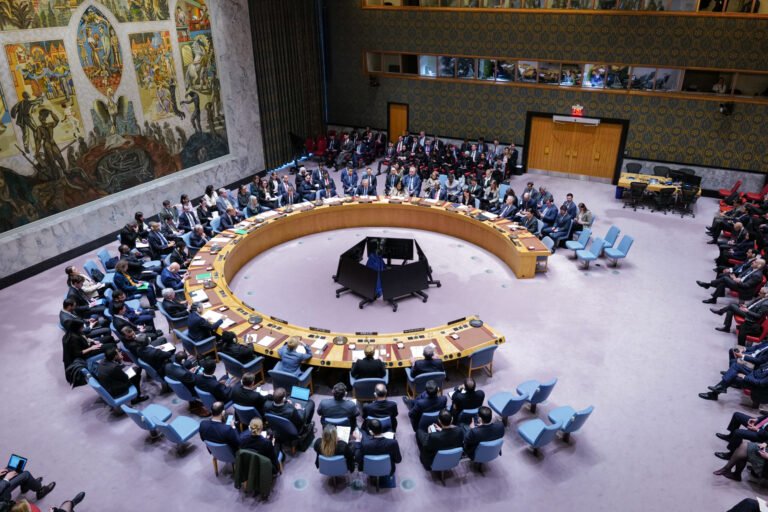
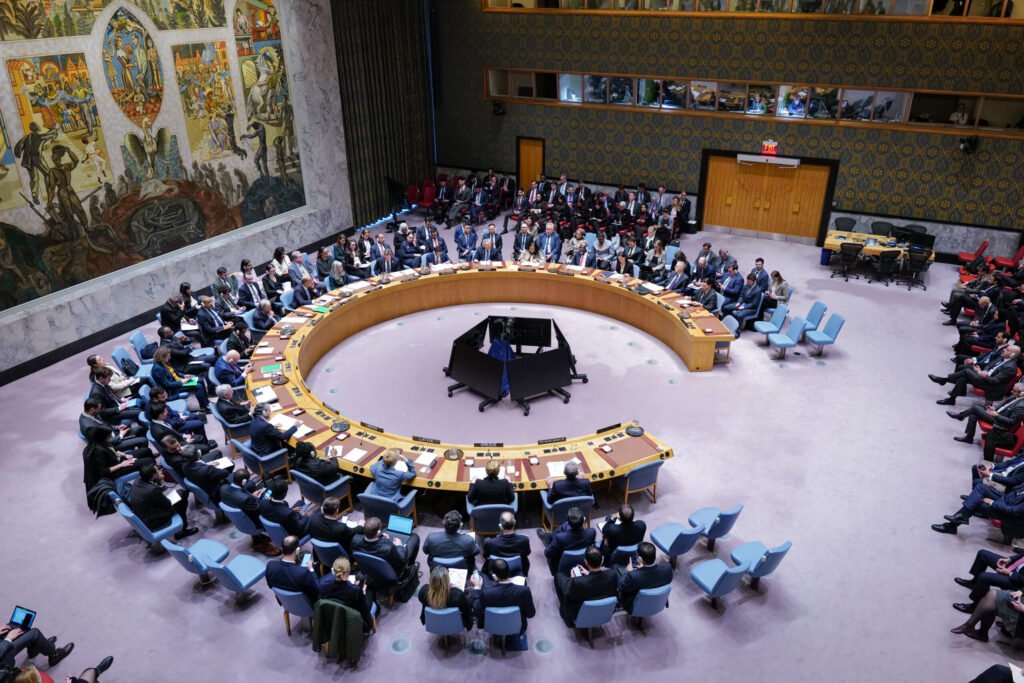
However, the current crisis reveals a stark reality: these institutions appear unable to act when the stakes are highest. The United Nations Security Council, often regarded as the ultimate authority in matters of global peace, remains gridlocked. The veto power of its permanent members has transformed it into a forum of political deadlock rather than decisive action. In the ongoing Iran–US–Israel conflict, competing interests among global powers have once again paralyzed meaningful intervention. Instead of collective security, the world is witnessing selective engagement driven by strategic alliances.
Read More: Riyadh Talks: Regional Ministers Urge Iran to Halt Attacks Amid Gulf Tensions
The situation is equally concerning within the Muslim world. Despite representing more than fifty nations, the OIC has largely been confined to issuing statements of concern. Its inability to translate unity into concrete diplomatic or economic measures has raised serious questions about its effectiveness. Meanwhile, other regional organizations, including NATO, the European Union, and the African Union, have either remained cautious or divided, reflecting the broader fragmentation of global consensus.
This failure becomes even more alarming when viewed alongside long-standing conflicts, particularly in Palestine and Lebanon. For decades, the Palestinian people have endured displacement, violence, and systemic injustice. Many observers and human rights advocates have described the situation as a humanitarian catastrophe, with some going further to label it as genocide.
Yet, despite repeated calls for accountability, international mechanisms have failed to deliver justice or lasting peace. Lebanon, too, continues to suffer from recurring instability, often becoming a battleground for larger geopolitical struggles.
At the heart of this crisis lies the erosion of the supremacy of international law. Legal frameworks designed to regulate warfare and protect human rights are increasingly applied selectively. When powerful states act, accountability mechanisms appear weak or ineffective. This inconsistency undermines the credibility of global institutions and signals a dangerous shift toward a world where power overrides principle.
Another significant dimension of the current conflict is the changing role of the United States. Once seen as the central architect of global order, America now operates in a more complex and fragmented international system. The rise of new powers, shifting alliances, and regional assertiveness have reduced the effectiveness of unilateral action. In this evolving landscape, even the most powerful nations find themselves constrained. This brings us to the central question: if international organizations are unable to act, who will fill the vacuum?
Read More: Iran War Started on Israel Pressure, US Counterterrorism Director Resigns
In the absence of effective institutional intervention, the responsibility may shift toward emerging diplomatic actors—states or coalitions capable of bridging divides and facilitating dialogue. Neutral countries with balanced foreign policies could play a crucial role in de-escalation. Additionally, the influence of global public opinion cannot be underestimated. In an interconnected world, public pressure, media coverage, and civil society movements increasingly shape political decisions.
However, these alternatives are not sustainable substitutes for strong and functional institutions. The need for reform is urgent. The United Nations, particularly its Security Council, must address structural issues such as the misuse of veto power. Regional organizations must move beyond symbolic declarations and develop mechanisms for enforcement and accountability.
The lessons of World War II remain as relevant today as they were in 1945: peace requires collective commitment, and institutions must evolve to remain effective. The current Iran–US–Israel crisis is not merely a regional conflict—it is a defining test of the global system.
If the world continues to respond with silence and inaction, the consequences will extend far beyond the immediate region. It will mark the gradual collapse of a rules-based international order, replacing it with a fragmented system where might determines right.
In such a world, the purpose of international organizations will be fundamentally questioned. And unless meaningful reforms are undertaken, history may once again move toward a path the world had once vowed never to repeat.
*The views presented in this article are the author’s own and do not necessarily reflect the views of The Diplomatic Insight.

Wajahat Ghauri
Wajahat Ghauri is an Islamabad Based Lawyer, and Master’s in Political Science from Punjab University. He can be reached at ghauriwajahat29@gmail.com