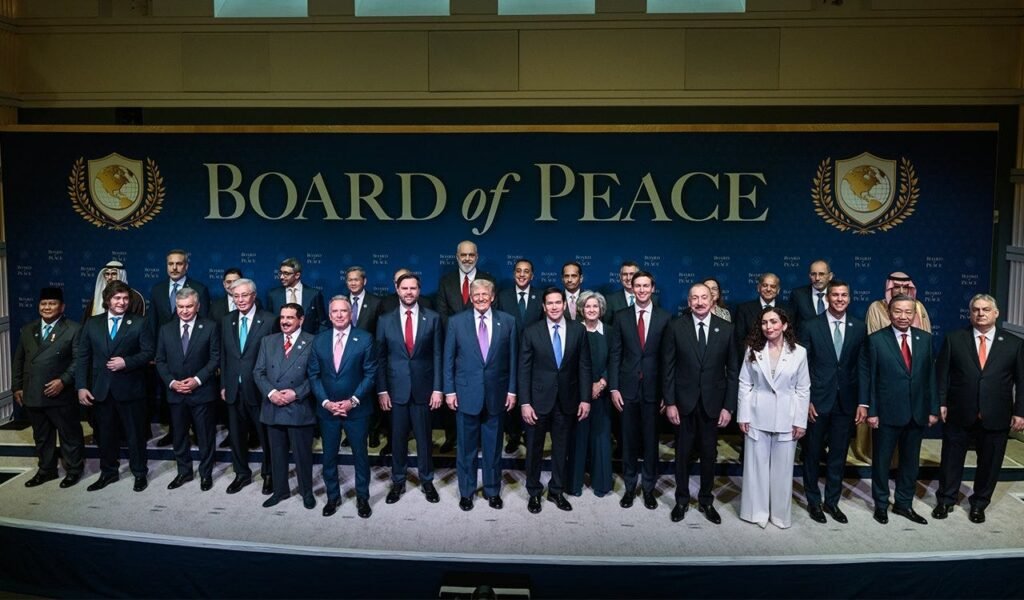
The establishment of the Board of Peace (BOP) provides an intriguing development for Southeast Asia. By formally involving Indonesia, Vietnam and Cambodia while extending invitations to other regional states, the platform opens a new gateway for Southeast Asian countries outside regional affairs. The development provides an opportunity to examine the driving force and future potential framework that Southeast Asian countries seek to portray outside the region through the lens of West Asia. This discussion also specifically highlights the region’s growing aspiration as an emerging middle power force in international affairs.
The role of Indonesia in the BOP initiative is worth observing, the initiatives may serve a greater Indonesian long term foreign policy goal. As stipulated in the MOFA’s 2025-2029 RENSTRA or strategic master plan, Indonesia seeks to promote a space for an equal voice among developing nations and developed nations. As the participation of the board of peace includes both developing countries and developed countries, the forum serves as an opportunity to amplify the voices of developing countries and advance a more representative multilateral global order.
From this perspective, Indonesia may see the platform as a potential complementary space to existing diplomatic mechanisms, especially as the board provides a path for agenda setting and mediation efforts by the global south along with developed countries. Participation also allows Indonesia to test the credibility of such alternative platforms while retaining the flexibility to disengage if the initiative becomes merely a political instrument for certain powers instead of an impartial peacebuilding mission. Involvement in the board may allow Jakarta to reinforce its broader vision of an active role for developing countries in mediating global conflicts.
Vietnam’s interest in BOP has been a symbol of the re-revitalization of Vietnam increasing ambition in expanding its active role in international affairs, in the context of West Asia affairs this is emphasized during Vietnam’s president speech to Arab League last year, where Hanoi emphasized its historical experience in reconciling with former adversaries. By drawing on this narrative, Vietnam seeks to position itself as a potential intermediary capable of facilitating dialogue between conflicting parties.
Read More: 10 Things to Watch in Southeast Asia in 2026
Incorporating into BOP would therefore reinforce its intention to be a proactive and responsible actor in international affairs. This aligns with Hanoi’s broader effort to translate its economic success into greater diplomatic influence, projecting leadership that Vietnam describes as being “In line with its historical stature”. Taking into consideration as well its cordial relationship with both parties of Israel and Palestine, Vietnam’s role in the board may serve as a strategic alternative but collaborative position with other Southeast Asian countries in the board.
Lastly Cambodia had also joined the board, an official document had stated that it seeks to examine the platform role outside its external mandate, citing its wider future significance and possibility to exchange views on security at both regional and global level. We also observed Cambodia’s intention in highlighting its capacity as well to help engagement in Southeast Asia. We can view how this highlights the role of middle power in expanding channels of engagement within the platform.
By framing the Board of Peace as a venue for connection building, Cambodia is not only pursuing new channels of interaction, but also seeking to contribute to the shaping of the platform itself as an inclusive but also forward looking diplomatic arena.
It is interesting to note that other strong contender countries in Southeast Asia such as Thailand, the Philippines, Singapore and Malaysia have adopted a cautious wait and see approach. Thailand and the Philippines position is much more crucial to be examined as both countries had borne the most national casualties during the October 7 crisis along with Cambodia. This makes their engagement with any diplomatic initiative addressing the conflict especially sensitive.
As both governments review the possibility of membership, an important question will be whether the BOP can provide a meaningful framework for crisis management and help mitigate similar risks in the future. Domestic and regional priorities may also influence their calculations. As the Philippines becomes a chairman in ASEAN, along with Thailand and its immediate issue with Cambodia may have diverted attention from priority and interest elsewhere in the short term, but participation is still possible as invitations were offered to both the Philippines and Thailand.
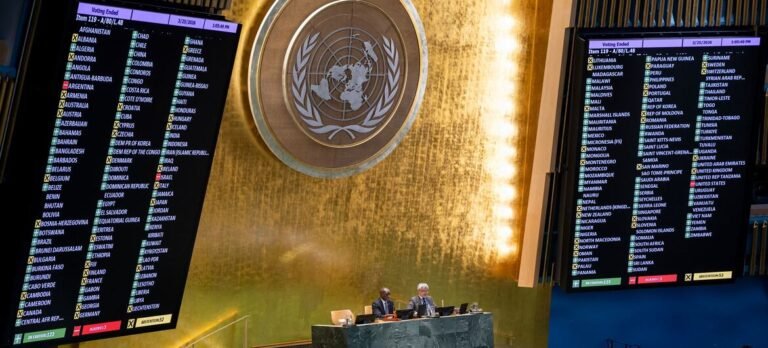
While Singapore and Malaysia remain cautious about their potential engagement with the plan, they are not entirely excluded, as both countries voted yes on the US led proposal on Gaza resolution, opening a path for constructive dialogue if needed. Thus, it is possible to say that both countries are in wait and see capacity of the BOP credibility and effectiveness to enact constructive dialogue instead of a political instrument by certain powers before further deeper involvement.
Read More: Indonesia Signals Possible Exit from ‘Board of Peace’ Over Palestine Issue
As we examined, we can observe how within the context of participation of BOP, Southeast Asia is examining the role of the platform as room to pursue a normative-ideational angle to prove its capacity as an emerging middle power and its role in global affairs. We can examine how Indonesia took the angle to utilize the platform as a norm shaping tool for the global south.
How Vietnam took the angle in reconstruction of the emerging middle power role in active peace building initiatives by leveraging its experience in engaging with former adversaries. Lastly, on Cambodia’s attempt to expand the platform capacity and expand the relevancy of the platform in broader affairs. While the rest is in wait and see capacity in timing to measure the platform credibility in maintaining partiality to exercise middle power capacity or not.
It is important to note that any Southeast Asian participation in global issues will be compared to its leadership in regional issues, and with the context of BOP, the matter is moving parallel with Southeast Asia’s existing issue, particularly the Myanmar crisis and tensions between Thailand and Cambodia. This is due to the fact that regional performance reflects track records of credibility and capacity.
For Southeast Asia, in a world of middle power where trust is currency in parallel with power, how these countries balance regional responsibilities along with their efforts to expand their global role will determine the overall credibility of their middle power ambitions in global affairs in the future.
*The views presented in this article are the author’s own and do not necessarily reflect the views of The Diplomatic Insight.

M. Kenzo Baskoro
M. Kenzo Baskorobridges the intersection of business, diplomacy, and sustainability in Southeast Asia. As Country Representative for a Japanese public company in Indonesia, he leads strategic market development and public engagement for the firm’s ASEAN operations. He previously served as Corporate Relationship Manager at a multinational bank in Jakarta, managing strategic portfolios across manufacturing and finance sectors, and leading sustainable financing initiatives.A graduate in International Relations from Tokyo International University, Kenzo has represented developing countries group at several international forums, including the United Nations’ Global Conference on Synergies between the Paris Agreement and the 2030 Agenda for Sustainable Development. He can be reached at muhamad.kenzo@gmail.com