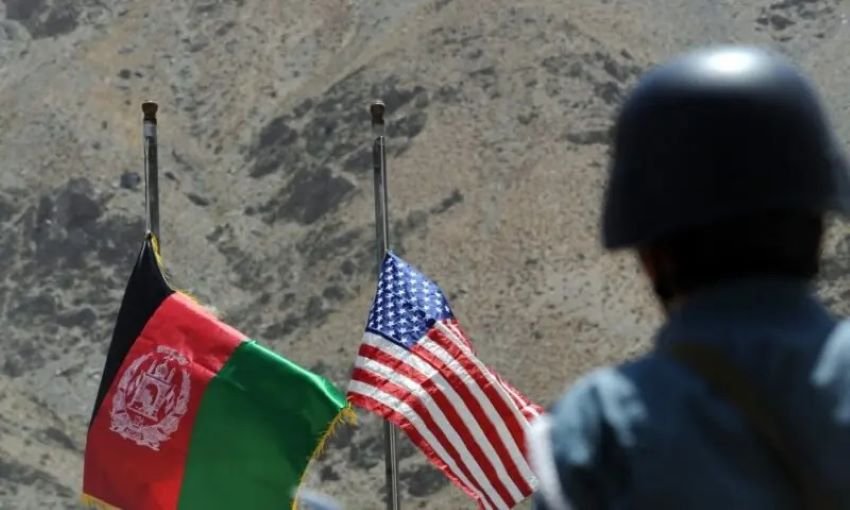
Kabul (TDI): Afghanistan’s Taliban authorities on Tuesday announced the release of an American citizen who had been detained for more than a year, in what appears to be a goodwill gesture.
The Afghan foreign ministry said linguist and researcher Dennis Coyle had been freed after his family appealed to the country’s Supreme Leader Hibatullah Akhundzada for his release.
“The Supreme Court of the Islamic Emirate deemed his period of detention sufficient and decided on his release,” the ministry said in a statement.
Coyle’s release followed a meeting involving Foreign Minister Amir Khan Muttaqi, former US envoy Zalmay Khalilzad, and the UAE’s ambassador to Kabul Saif Mohammed Al-Ketbi, along with a member of his family. Afghan officials said the United Arab Emirates helped facilitate the process.
The 64-year-old was arrested in January 2025 while working in Afghanistan as an academic researcher, according to advocacy groups. His family said he had been held in difficult conditions, including limited access to medical care.
Read More: UN Security Council Voices Alarm Over Taliban Policies, Terror Threats in Afghanistan
US Secretary of State Marco Rubio welcomed the development and called on Afghan authorities to release other detained Americans. “Dennis joins over 100 Americans who have been freed in the past 15 months,” he said, while urging the immediate release of others still in custody.
Coyle had been working on linguistic research and community-based projects in Afghanistan, where he had spent years building ties with local communities.
The release comes amid ongoing tensions over detentions, with Washington recently designating Afghanistan as a country engaged in “wrongful detentions.” Taliban authorities have rejected the characterization but pointed to previous releases mediated by regional partners.
Read More: Taliban Signal Willingness for Talks After Pakistan Strikes
Officials say several American citizens were freed in 2025 as part of what Kabul described as confidence-building steps, signaling that further releases may depend on continued diplomatic engagement.