Paris (TDI): The war in the Middle East is triggering the largest oil supply disruption in history, the International Energy Agency (IEA) warned on Thursday, following its decision to release an unprecedented volume from strategic reserves to mitigate shortages and soaring prices.
According to the agency’s latest monthly oil market report, global supply is expected to drop by around 8 million barrels per day in March, roughly 8% of worldwide demand, as the Strait of Hormuz remains blocked. The disruption has followed the launch of US and Israeli airstrikes on Iran on February 28. This represents a stark reversal from earlier IEA projections that had anticipated a sizeable surplus in the first quarter of 2026.
Oil prices have surged amid the turmoil, with Brent crude climbing to $119.50 per barrel on Monday, its highest level since mid-2022, and trading just under $97 per barrel on Thursday, up 5% from the previous session. Middle Eastern Gulf producers, including Iraq, Qatar, Kuwait, United Arab Emirates, and Saudi Arabia, have collectively reduced oil output by at least 10 million barrels per day.
The IEA warned that it may take weeks or even months for production to return to pre-crisis levels, depending on the complexity of affected fields and the timing of workforce and equipment mobilization.
Read More: Iran War Triggers Global Energy and Geopolitical Shock: Masood Khan
The IEA has agreed to release a record 400 million barrels from strategic reserves held by member nations to stabilize markets. Executive Director Fatih Birol, speaking in Istanbul, described the global energy situation as being in an “extremely critical period,” and emphasized that the decision had already impacted market dynamics.
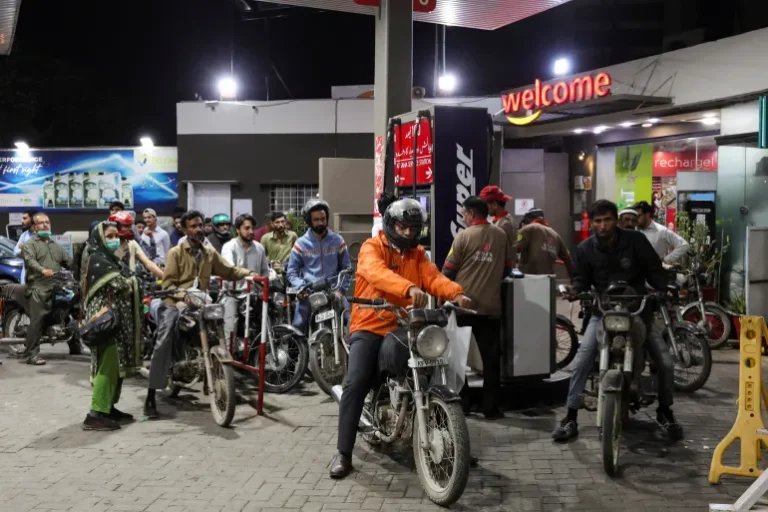
Demand is also being affected, the agency noted, as airlines cancel flights and economic uncertainty, coupled with rising prices, weigh on consumption. Global oil demand in March and April is expected to fall by roughly 1 million barrels per day compared with earlier estimates. For 2026, the IEA projects annual demand growth of 640,000 barrels per day, down 210,000 barrels per day from previous forecasts, and about half of OPEC’s estimate.
Despite the short-term disruption, the IEA maintains that global supply will, on average, outpace demand in 2026, albeit at a slower pace. Overall supply is projected to rise by 1.1 million barrels per day, down from last month’s forecast of 2.4 million barrels per day, leaving the market with an expected surplus of 2.46 million barrels per day, reduced from the 3.73 million-barrel surplus previously estimated.
Read More: 10,000 Iranian Civilian Sites Destroyed, Iran’s UN Representative Claimser
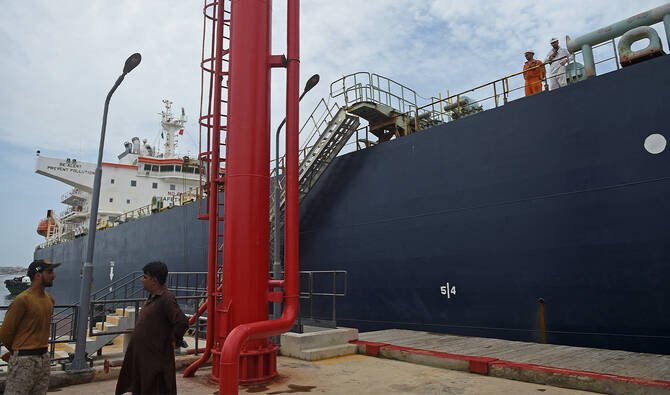
Efforts by Saudi Arabia and the UAE to reroute exports around the Strait of Hormuz are gradually increasing and may partially offset losses, helping to stabilize global oil flows from April through June, the report added.