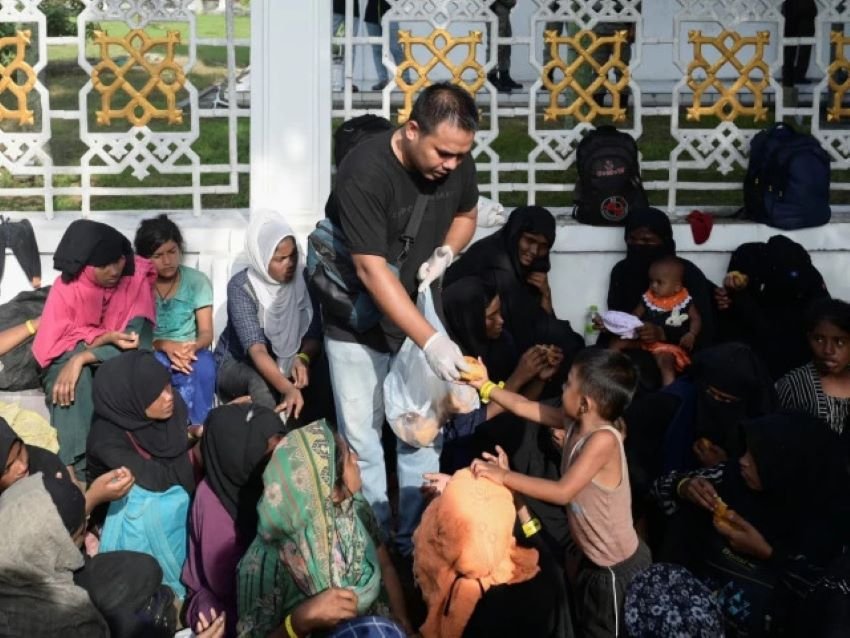
Cox’s Bazar (TDI): The United Nations World Food Programme (WFP) is set to overhaul its food assistance system for Rohingya refugees in Bangladesh starting April, aiming to ensure that every household receives a minimum level of food support despite mounting funding pressures.
Now in its ninth year, the Rohingya crisis continues to affect more than one million refugees, most of whom fled Myanmar in 2017 and remain in densely populated camps with limited access to employment and education.
The WFP said it will introduce a needs-based, tiered system that prioritizes the most vulnerable families while maintaining basic food assistance for all. Under the new approach, aid will be distributed based on levels of food insecurity identified through a 2025 survey, Reuters reported.
“Differentiated ration sizes reflect global best practices for prolonged crises and will help ensure fair distribution to those who need it most,” said Kun Li, a WFP spokesperson in Bangladesh.
The agency currently provides monthly food support to nearly 1.2 million people, including around 150,000 new arrivals since 2024. Officials say about one-third of households are classified as highly vulnerable, while half fall into a moderately vulnerable category.
For many refugees, however, shrinking aid remains a concern. “Our rations keep decreasing due to global funding shortages,” said Mohammed Jashim, a Rohingya refugee and father of three. “We have no way to return home. Please don’t forget us.”
Read More: Historic Myanmar Rohingya Genocide Case to Begin at UN’s Top Court Today
Under the revised system, households will be grouped into three categories, extremely insecure, highly insecure, and food insecure, with monthly assistance set at $12, $10, and $7 respectively in Cox’s Bazar. Refugees living on Bhasan Char island will receive slightly higher amounts to account for increased costs.
Read More: Islamabad, Riyadh to Sign Agreement on Rohingya Refugees Next Week
The most vulnerable groups, including households led by women, children, elderly individuals, or persons with disabilities, will also receive additional fresh food vouchers to improve diet diversity.
The WFP stressed that continued international support remains critical to sustaining life-saving food assistance and essential services for Rohingya refugees, as well as for host communities in Bangladesh.