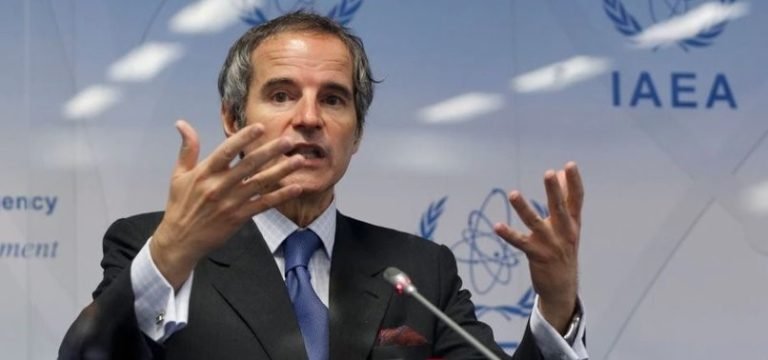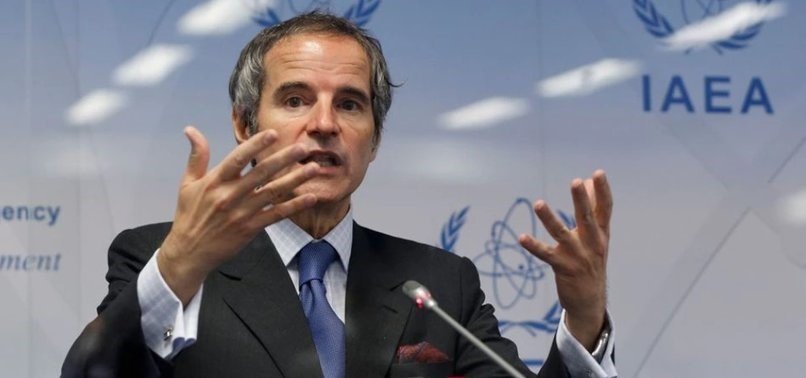
Islamabad (TDI): The United States and Iran are expected to hold wide-ranging negotiations in Islamabad this weekend, covering issues beyond the nuclear file, according to Rafael Grossi.
The head of the International Atomic Energy Agency said the anticipated talks could include discussions on Iran’s missile program, Iran-aligned militias, and security guarantees for Tehran. Speaking in an interview cited by Turkish media, he noted that the agenda would be broader than previous engagements.
“This time, missiles, allied militias, and security guarantees will also be on the table,” Grossi said, adding that diplomatic options must be prioritised over military escalation.
He suggested that a temporary understanding could be within reach, including a pause in uranium enrichment under current conditions, with the possibility of revisiting the issue in the future.
The expected talks come amid efforts to de-escalate the nearly month-long conflict involving the US, Israel, and Iran, which has destabilised the wider Middle East since late February.
Read More: Israel-Iran Strikes Intensify as Tehran Rejects Trump’s Deal Claim
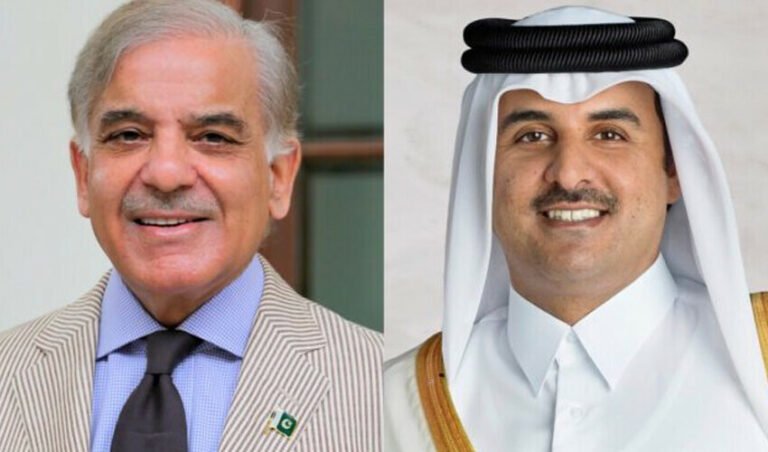
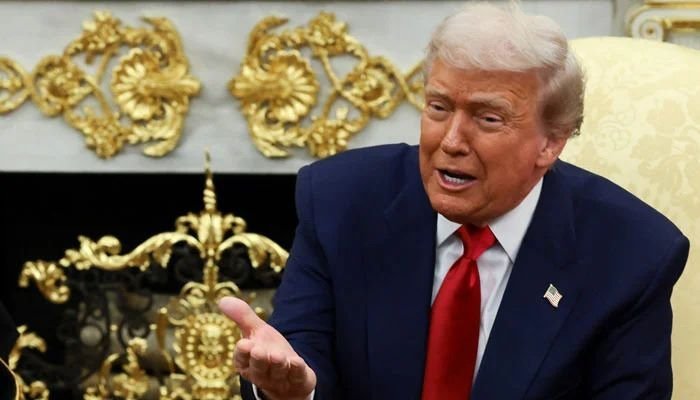
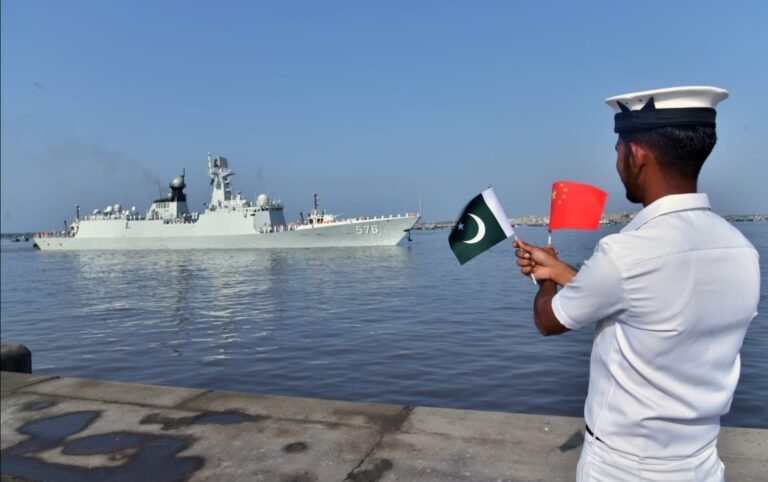
Pakistan has emerged as a key intermediary, working alongside regional partners to facilitate backchannel communication between Washington and Tehran. Prime Minister Shehbaz Sharif has already offered Islamabad as a venue for dialogue, a move acknowledged by US President Donald Trump.
Diplomatic efforts have included the transfer of a US proposal to Iran, though details remain unclear. While some reports suggest it may be linked to a broader framework addressing nuclear and regional security concerns, no official confirmation has been provided.
Türkiye is also engaged in mediation efforts, with both Islamabad and Ankara reportedly under consideration as potential venues for talks.
Read More: Iran, US Stay Entrenched Despite Backchannel Diplomacy
However, Iran has taken a cautious stance. According to state media, Tehran has responded negatively to the US proposal, maintaining that it will end the conflict on its own terms. Iranian officials have outlined conditions including a halt to hostilities, guarantees against renewed conflict, reparations, and recognition of its authority over the Strait of Hormuz.
Despite the hardened positions, international observers see the proposed talks as a possible opening for diplomacy in an increasingly volatile situation.