

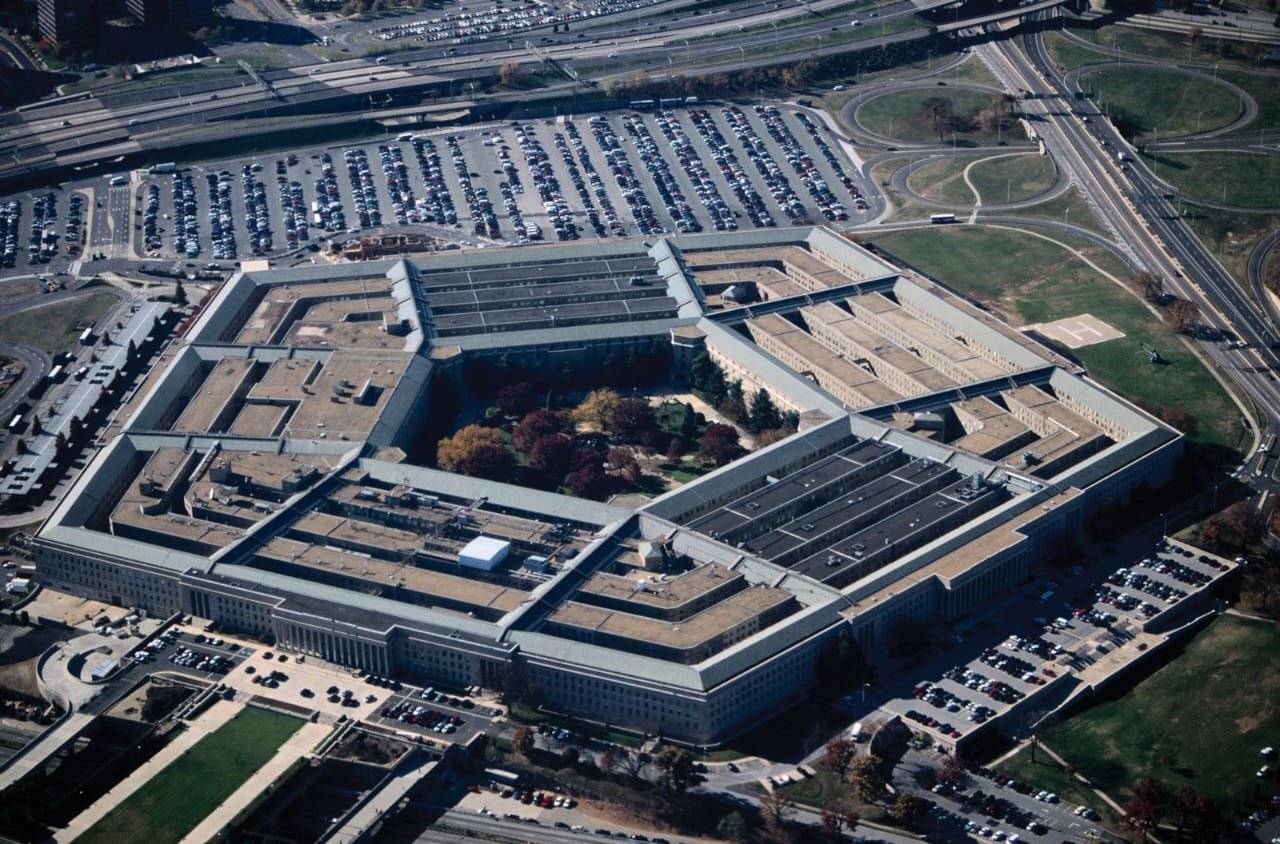
Washington (TDI): Despite facing significant objections, the United States House of Representatives passed a comprehensive defense policy bill on Wednesday, authorizing a record-breaking $901 billion in annual military spending for the 2026 fiscal year.
This figure represents an increase of $8 billion over the amount originally requested by US President Donald Trump in May of this year.
The vote on the National Defense Authorization Act (NDAA) concluded with a tally of 312 lawmakers supporting its passage, while 112 voted against it.
The legislation now moves to the Senate for its consideration and is widely anticipated to pass there next week before the holiday.
Opposition to the bill stemmed largely from lawmakers across the aisle who expressed deep concerns regarding the Trump administration’s overall management and direction of the US military.
Nevertheless, the tradition of bipartisan support for the NDAA, which has been successfully enacted by Congress every year since 1961, ultimately prevailed, though this year’s process was acknowledged as being more contentious than usual due to rising tensions between the Republican controlled Congress and the executive branch.
Read More: Trump Signs Bill to End Longest Shutdown in US History
International Commitments
The extensive, 3,086-page bill, revealed just days before the vote, contains standard NDAA provisions focused on defense acquisitions designed to maintain US military competitiveness against major rivals, particularly China and Russia.
Crucially, the legislation also incorporates measures aimed at improving the welfare of American service members, including an almost 4 percent pay increase and necessary upgrades to military base housing.
Lawmakers successfully pushed for the inclusion of several provisions that solidify Washington’s commitment to European security in the face of ongoing Russian aggression.
This includes allocating $400 million in military assistance to Ukraine for each of the next two years to aid in its defense against Russia’s invasion.
Furthermore, a new measure mandates that the Pentagon maintain a minimum of 76,000 troops and significant equipment permanently stationed in Europe, unless prior consultation with NATO allies occurs.
Demand for Transparency
Interestingly, this year’s legislation also saw the elimination of several programs that had drawn criticism from President Trump, notably cutting approximately $1.6 billion in funding for initiatives dedicated to diversity, equity and inclusion, as well as those focusing on climate change.
In a move demonstrating Congress’s attempt to reassert authority, the NDAA includes several provisions pushing back against the Department of Defense.
One highly noticeable aspect, according to Al Jazeera’s correspondent Mike Hanna, is a demand for increased transparency regarding deadly attacks carried out by the US military on suspected drug smuggling vessels in the Caribbean Sea and eastern Pacific Ocean in recent months.
Read More: Probe Flags Hegseth’s Signal Use for Yemen Strikes as Risk to US Troops
The bill specifically threatens to withhold 25 percent of Defense Secretary Pete Hegseth’s travel funding unless he provides more detailed information on these strikes.
This required information includes allowing lawmakers to review unedited video footage of the strikes and the underlying operational orders.
This strong measure underscores congressional frustration with the lack of accountability, especially considering that at least 86 people have been killed across 22 known strikes since the attacks commenced in early September.
House Armed Services Committee Chairman Mike Rogers, a Republican, defended the bill’s focus, stating the necessity of maintaining a ready, capable and lethal fighting force to counter threats, particularly those from China, which he considers the most complex challenge in the last 40 years.
Democrat Adam Smith, viewed the bill as a “step in the right direction towards reasserting the authority of Congress,” voicing his biggest concern that the Pentagon, under Secretary Hegseth and President Trump, is currently not sufficiently accountable to Congress or accountable to the law.
The legislation is now expected to pass the Senate next week and will subsequently be signed into law by President Trump at the White House.


