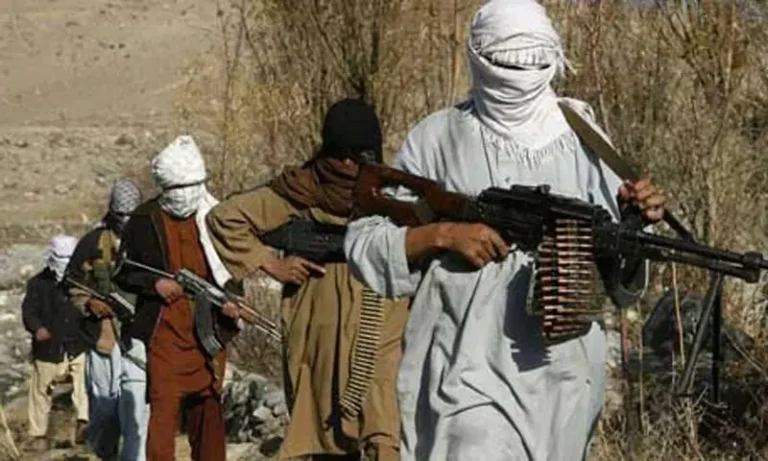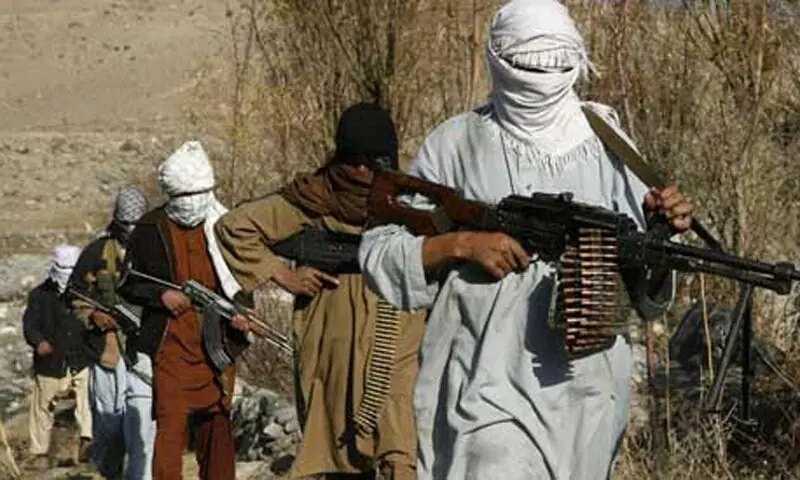
A newly released United Nations Security Council (UNSC) report captures growing international concern over the Tehreek-e-Taliban Pakistan (TTP) and its operations from Afghan territory, warning that the group’s expanding capabilities and permissive environment could make it a threat beyond South Asia.
The 37th Analytical Support and Sanctions Monitoring Team report, covering mid-2025 to early 2026, notes that the TTP “operates as one of the largest terrorist groups in Afghanistan” and enjoys a level of freedom and backing under the de facto Taliban administration that is alarming to multiple UN member states.
The report adds that this environment has enabled the group to enhance its operational reach and lethality, particularly in cross-border attacks against Pakistani security forces and civilian targets.
According to the Arab News Pakistan, Pakistan has long accused Afghan authorities of providing a “permissive environment” for militant factions like the TTP and the Balochistan Liberation Army (BLA), allegations which Kabul routinely rejects.
The monitoring team’s findings appear to lend credence to Islamabad’s concerns, citing the sustained presence of TTP fighters and sophisticated weapons in several Afghan provinces bordering Pakistan.
Read More: Emerging TTP–BLA Nexus and Its Implications for Pakistan’s Security Landscape
The UNSC report highlighted attacks such as the November 11 assault on an Islamabad courthouse, which killed 12 people and was later claimed by a TTP splinter group.
The document also flagged the potential for the TTP to deepen ties with Al-Qaeda-aligned groups, which could enable it to target a wider range of international interests and potentially operate outside the region.
Beyond the TTP, the UNSC monitoring team also assessed that Al-Qaeda in the Indian Subcontinent (AQIS) and Islamic State Khorasan (ISIL-K) remain operationally significant, with the latter maintaining resilience despite regional counter-terrorism pressure.
These groups’ activities, particularly in northern Afghanistan and adjacent to the Pakistani border, further complicate the security landscape.
Pakistan has repeatedly shuttered sections of its border and increased military operations to stem militant incursions, asserting national security remains paramount.
UN member states’ growing concern about the TTP’s trajectory reflects broader regional unease over terrorist groups with enhanced operational scope and external linkages.