Abu Dhabi (TDI): The United Arab Emirates has conveyed to the United States and its Western partners that it is open to participating in a multinational maritime initiative aimed at restoring navigation through the strategically vital Strait of Hormuz, according to a report by the Financial Times.
The proposed initiative, informally described as a “Hormuz Security Force,” seeks to bring together multiple countries to safeguard shipping lanes, deter potential attacks, and escort commercial vessels through the waterway. The UAE is said to be actively encouraging broader international participation in such an arrangement.
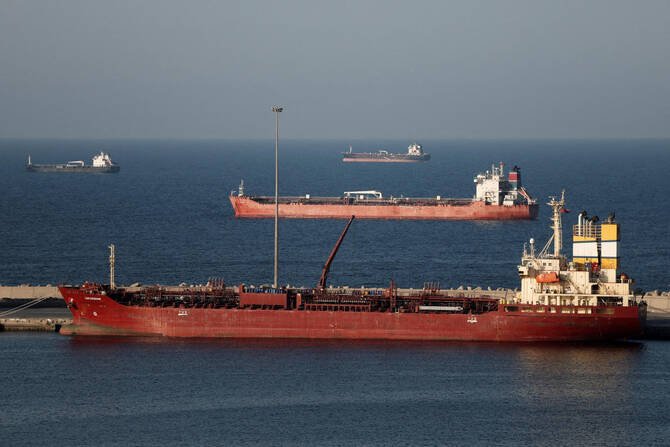
The move comes as the Strait of Hormuz, a critical artery for global energy supplies carrying roughly a fifth of the world’s oil and liquefied natural gas, remains effectively disrupted amid ongoing tensions with Iran. The situation has already driven up global energy prices and heightened concerns over inflation and supply chain disruptions.
While some US allies have so far been reluctant to commit naval resources, France has reportedly initiated consultations with around 35 countries to explore possible frameworks for reopening the strait, potentially after the conclusion of the current conflict.
Read More: Starmer Avoids Escalation with Iran, Seeks Collective Effort to Reopen Strait of Hormuz
In parallel, the UAE, along with Bahrain, is working on a draft resolution at the United Nations Security Council to provide a formal mandate for any future maritime force. However, diplomatic hurdles remain, with Russia and China likely to oppose such measures.
The urgency of the situation has been underscored by recent security incidents across the region. In Kuwait, drone strikes caused material damage at Shuwaikh port, while Saudi Arabia reported intercepting and destroying two drones in its Eastern Province.
Amid these developments, political tensions within Israel have also surfaced. Former Prime Minister Naftali Bennett criticized current Prime Minister Benjamin Netanyahu, accusing the government of mishandling military operations across multiple fronts and prioritizing political considerations over strategic outcomes.
Elsewhere in the region, Qatar has scaled back a previously heightened security alert after authorities declared the immediate threat had subsided. At the same time, the United Nations Security Council is set to hold closed-door consultations, at the request of Russia, to discuss ongoing strikes on civilian infrastructure in Iran.
Read More: Iran Allows Some Indian Ships Through Strait of Hormuz
Reports of continued violence have also emerged, with casualties reported in parts of Iran and the occupied Palestinian territories, alongside fresh evacuation warnings issued in southern Lebanon. These incidents highlight the widening humanitarian and security implications of the ongoing conflict.
As tensions persist, the focus remains on whether coordinated international action can stabilize key trade routes and prevent further escalation. The Strait of Hormuz, given its central role in global energy flows, continues to be at the heart of both economic concerns and geopolitical maneuvering.