Islamabad (TDI): Tunisia has proposed expanding trade cooperation with Pakistan, particularly in the olive oil sector, as both countries look to strengthen economic and people-to-people ties.
Tunisian Charge d’Affaires Dorasaf Maaroufi highlighted the longstanding historical relationship between the two nations, noting Pakistan’s support for Tunisia at international forums such as the United Nations. She emphasized the importance of building on this foundation through enhanced trade, cultural exchange, and tourism cooperation.
Maaroufi pointed out that Tunisia’s expertise in organic olive oil production presents a strong opportunity for partnership. She suggested that collaboration in this sector could be further advanced through a Preferential Trade Agreement, enabling both sides to benefit from improved market access and trade facilitation.
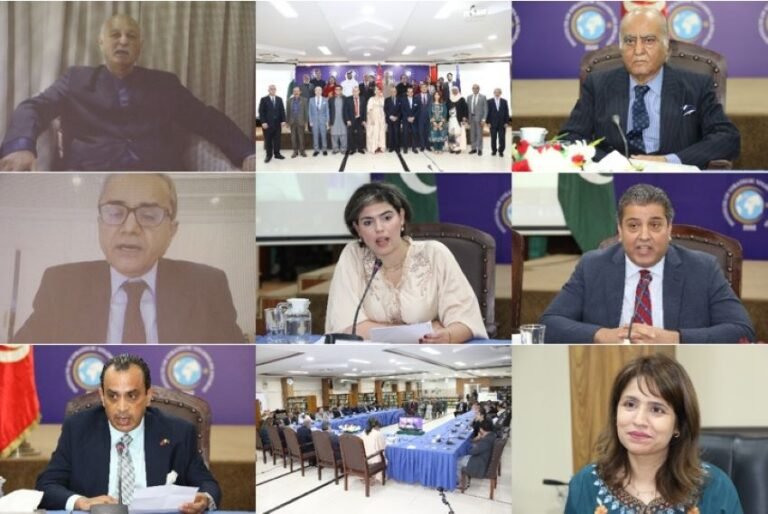
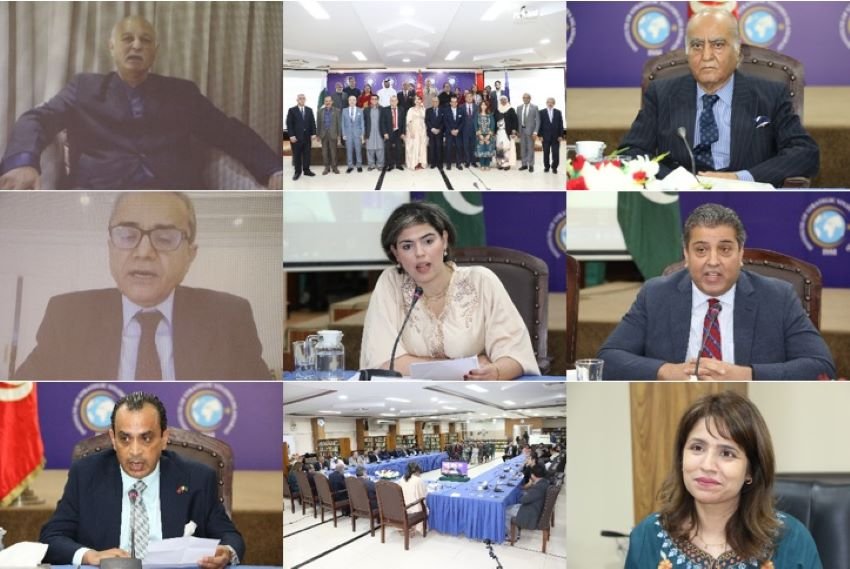
The remarks were made during an event organized in Islamabad by the Centre for Afghanistan, Middle East & Africa (CAMEA) at the Institute of Strategic Studies Islamabad (ISSI), in collaboration with the Pakistan Africa Institute for Development and Research (PAIDAR), to mark Tunisia’s Independence Day.
Speakers at the event, including diplomats, policymakers, and representatives from both countries, reaffirmed the depth of bilateral relations and underscored the potential for expanding cooperation in multiple sectors such as textiles, pharmaceuticals, agriculture, and manufacturing.
Ambassador Khalid Mahmood noted that while bilateral trade between the two countries remains relatively modest, there is significant room for growth, especially through institutional mechanisms and broader regional trade frameworks.
Read More: International Women;s Day Message: Dorsaf Maaroufi, the Chargée d’Affaires of Tunisia to Pakistan
Senator Mushahid Hussain Sayed emphasized the shared political and diplomatic history between Tunisia and Pakistan, highlighting common positions on issues such as support for Palestine and cooperation within the Global South. He called for stronger economic, educational, and cultural linkages to further deepen the relationship.
Pakistan’s Ambassador to Tunisia, Javed Ahmed Umrani, also pointed to a positive trend in bilateral trade and ongoing engagement between business communities. He referenced recent delegations and agreements aimed at promoting commercial cooperation, while noting that further efforts are needed to fully realize the untapped potential.
Read More: Pakistan, Tunisia Agree to Strengthen Multilateral Coordination
Other participants, including honorary consular representatives, stressed the importance of expanding trade agreements, improving connectivity between business sectors, and exploring technology transfer, particularly in areas like olive oil production.
Overall, both sides expressed optimism about strengthening ties, with olive oil trade emerging as a key area of potential collaboration alongside broader economic and cultural partnerships.

Sohail Majeed
Sohail Majeed is a Special Correspondent at The Diplomatic Insight. He has twelve plus years of experience in journalism & reporting. He covers International Affairs, Diplomacy, UN, Sports, Climate Change, Economy, Technology, and Health.