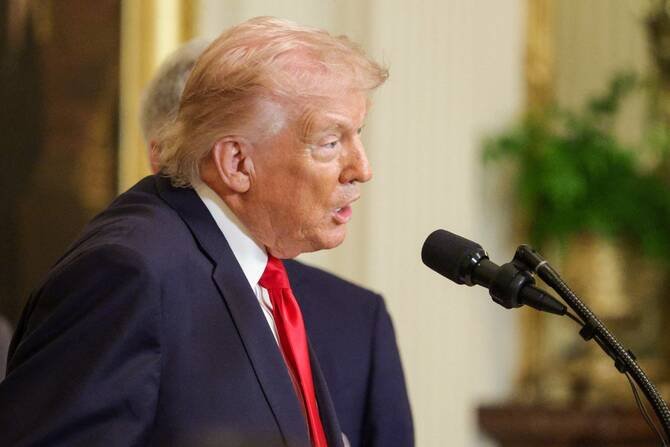
Washington (TDI): President Donald Trump has warned of a forceful US response after a major escalation in the Middle East conflict, following a strike on Iran’s key South Pars Gas Field that has intensified tensions and rattled global energy markets.
Trump said Israel had “violently lashed out” at the strategic gas facility but stressed that no further strikes would occur unless Iran retaliates, particularly against Qatar. He warned that any such move by Tehran would prompt a powerful US response targeting the same gas field.
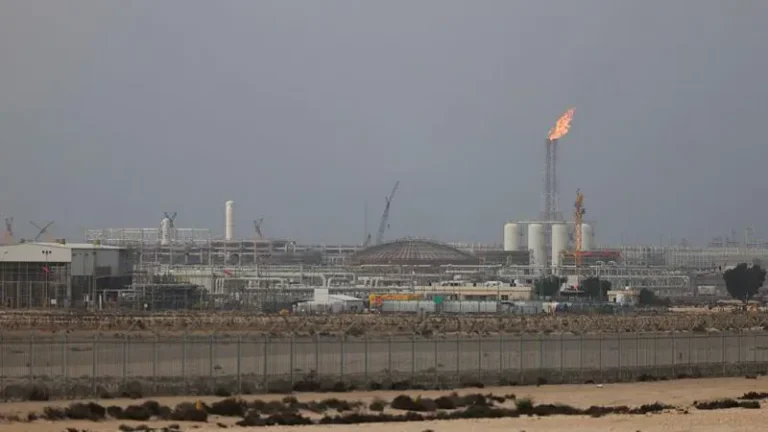
The attack on South Pars, part of the world’s largest natural gas reserve shared between Iran and Qatar, triggered a surge in oil prices and heightened fears of wider disruption to global energy supplies.
In response, Iran launched missile strikes across the Gulf, targeting energy infrastructure. Qatari authorities reported significant damage and fires at Ras Laffan Industrial City, a critical hub handling a substantial share of the world’s liquefied natural gas.
Meanwhile, Saudi Arabia said its air defenses intercepted multiple ballistic missiles aimed at Riyadh, along with a drone targeting an energy facility in the kingdom’s eastern region. Fresh strikes were also reported the following day, with additional damage to gas infrastructure in Qatar.
Read More: Dar Discusses Regional Situation with Azerbaijani Counterpart
Trump said Washington had no prior knowledge of the Israeli strike and insisted that Qatar was not involved. However, US media reports suggested he had been briefed on the plan beforehand. Israel has not officially claimed responsibility.
As the conflict intensifies, Iran has expanded its response beyond Israel, targeting US-linked sites and Gulf states hosting American military bases. The crisis has disrupted shipping routes through the Strait of Hormuz, a critical corridor for global oil trade, raising concerns about long-term supply shocks.
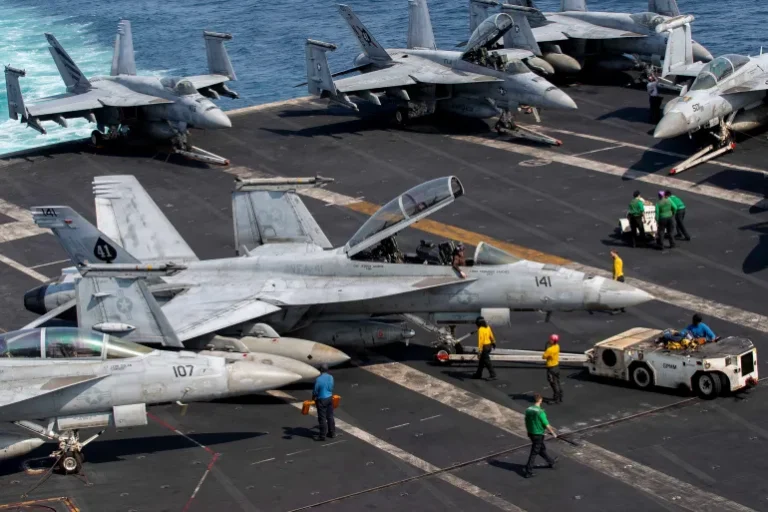
US officials say Washington is now considering deploying additional troops to the region to secure vital maritime routes and energy infrastructure.
The escalating conflict, which began on February 28 with US-Israeli strikes on Iran, has already caused significant casualties and widespread damage across the region. Iran has responded with missile and drone attacks, while global markets continue to react to the growing instability.
Read More: Iran Stands Strong Despite Killing of Larijani: FM Araghchi
Separately, foreign ministers from several Muslim-majority countries meeting in Riyadh condemned Iran’s attacks on Gulf states and called for an immediate halt to hostilities. Saudi Foreign Minister Faisal bin Farhan Al Saud warned that continued escalation could provoke a military response, stressing that attacks on civilian and energy infrastructure cannot be justified.