Bangkok (TDI): A surge in diesel prices triggered by the United States-Israel war on Iran is pushing Thailand’s multibillion-dollar fishing industry toward a standstill, with fishermen worrying that their boats will need to be docked within days unless the government steps in. According to Prime Minister Anutin Charnvirakul, Thailand has about 100 days of oil reserves.
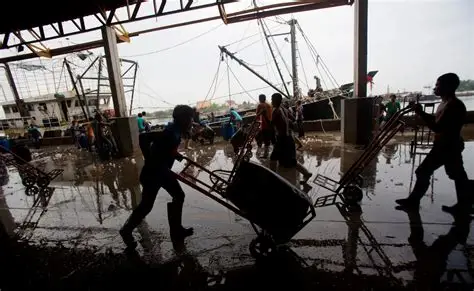
At Samut Sakhon, Thailand’s largest fishing port in Samut Sakhon province along the coast of the Gulf of Thailand, over half of the fishing trawlers are already docked and those still operating would likely stop work within days, said Jumpol Kanawaree, president of the Samut Sakhon Fishmonger Association.
“After April 1, you may see that there may be no fish sold because the fishing boats can no longer bear the cost of their crewmen, their families.They won’t be able to make ends meet ” he said.
In major fishing centers in the Gulf of Thailand, over 50% of commercial trawlers are now lying idle with operators struggling to make ends meet due to increased fuel prices which rose almost to 38.94 baht per liter on Thursday, in comparison to an average of about 29.94 baht per liter in February.
Read More: Asia Is Paying the Bill for America’s War
If diesel prices touched 40 baht a liter, fishing trips would become unviable and some boat crews are already adjusting their trips to conserve fuel, fisherman Boonchoo Lonluy told AsiaOne.
Finance Minister Ekniti Nitithanprapas said the government was preparing a package to support fishermen, including supplying B20 biodiesel and palm oil to prevent further price surges.
However, industry representatives argue that such steps may come too late to avert significant downturns. “If we can’t take more hits, we have to dock because of the fuel price,” fisherman Prariyes Maneesumphan told Reuters.
Thailand’s fishing industry is a significant contributor to the national economy and global seafood markets. In 2024, the country exported about US$7 billion in fishery products to major buyers such as the United States, Japan, and China.
A prolonged disruption could dent export revenues and affect employment across coastal provinces. The diesel squeeze might have ripples beyond fishing, as the prices of food, supply chain, and coastal livelihoods could be at stake especially where maritime work is the main source of income.