Diplomacy has always extended beyond formal negotiations. Throughout history, rulers have used ceremonial hospitality to communicate prestige, cultivate alliances, and shape political outcomes. At the Palace of Versailles, royal banquets served not merely as social occasions but as instruments of political theatre, reinforcing hierarchy and projecting power.
The famous Grand Couvert of Louis XIV transformed dining into a public ritual of authority, demonstrating how symbolism and protocol could reinforce legitimacy.
Such traditions illustrate that the diplomatic table has long functioned as a space where political relationships are expressed, negotiated, and strengthened. Modern state dinners represent the institutional continuation of this historical practice.
The use of shared meals as diplomatic tools can be traced across civilizations. Royal courts, imperial administrations, and political congresses frequently incorporated ceremonial banquets into formal negotiations. These occasions provided opportunities for informal dialogue and relationship-building alongside official proceedings.
During the Congress of Vienna (1814–1815), French diplomat Charles-Maurice de Talleyrand utilized social gatherings and carefully orchestrated hospitality to engage with representatives responsible for reshaping the European order following the Napoleonic Wars.
Read More: Protocol: The Invisible Force Behind Effective Diplomacy
While formal diplomatic strategy ultimately determined outcomes, these social environments facilitated communication and contributed to France’s reintegration into the European balance of power.
Across historical contexts, diplomatic dining has served several functions:
- reinforcing hierarchy and protocol
- facilitating informal dialogue among decision-makers
- demonstrating cultural sophistication and prestige
- providing symbolic expressions of goodwill
These functions highlight the enduring relevance of ceremonial hospitality within diplomatic practice.
Institutionalization of the State Dinner
Modern state dinners emerged as diplomatic protocol became increasingly formalized in the nineteenth century. In the United States, the 1874 dinner hosted by President Ulysses S. Grant for King Kalakaua of Hawai’i is often cited as an early example of a state dinner honoring a foreign head of state.
During the twentieth century, particularly in the post-war period, the structure and symbolism of state dinners became more standardized. These events evolved into integral components of official state visits, complementing formal negotiations with ceremonial expressions of goodwill and recognition.
Their increasing frequency reflected the growing importance of symbolic diplomacy in an expanding international system. For example, President Ronald Reagan hosted 59 state dinners during his presidency, more than any other U.S. president, demonstrating the extent to which ceremonial hospitality became embedded in diplomatic practice during the late Cold War period.
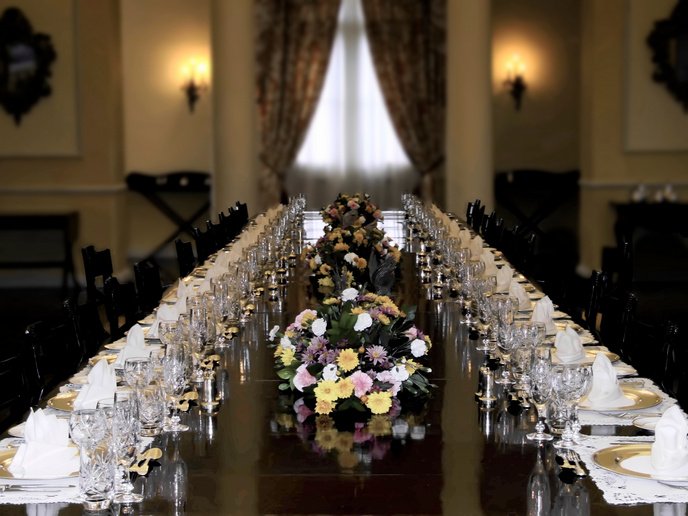
Today, state dinners are organized through close coordination between ministries of foreign affairs, protocol offices, and executive residences. Every aspect, from guest lists to seating arrangements, is carefully calibrated to reflect diplomatic priorities and cultural considerations.
Read More: The Language of Attire: Dress Codes in Diplomatic Protocol
State dinners function as platforms for the projection of soft power. Through cuisine, artistic programming, and ceremonial symbolism, host countries communicate national identity and cultural values.
France has historically integrated gastronomy into diplomatic representation, using state banquets at the Élysée Palace to showcase culinary heritage and artisanal excellence. Tableware, menu design, and presentation reflect broader narratives about national identity and cultural sophistication.
Gastro-diplomacy, understood as the strategic use of cuisine in international relations, illustrates how cultural expression can support political objectives without direct negotiation.
Similarly, White House state dinners often highlight cultural diversity through musical performances, carefully selected menus, and symbolic gestures acknowledging bilateral relations. These elements contribute to the broader diplomatic message conveyed by the event.
Symbolism, Protocol, and Political Signaling
State dinners convey diplomatic signals beyond formal policy statements. The choice of guest of honor, the composition of the guest list, and the ceremonial program can communicate strategic priorities and evolving alliances.
Invitations frequently include representatives from government, business, academia, and the cultural sector, reflecting the multidimensional nature of contemporary diplomacy.
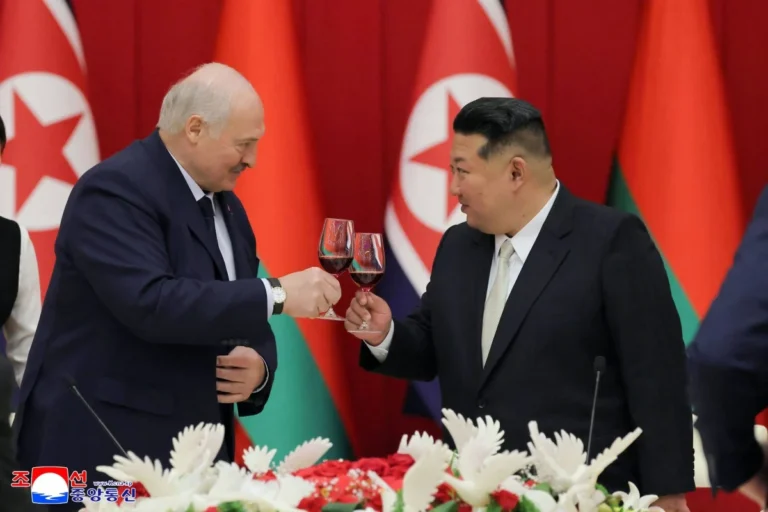
Protocol also plays a critical role. Seating arrangements, order of toasts, and ceremonial elements are structured according to established diplomatic conventions, reinforcing mutual respect and institutional continuity.
Despite changes in global communication technologies, the symbolic function of diplomatic hospitality remains relevant. While working lunches and shorter meetings reflect evolving professional norms, ceremonial dinners continue to serve as visible expressions of diplomatic recognition.
At the same time, awareness of cultural differences in dining etiquette, religious considerations, and symbolic meaning has become increasingly important in a globalized diplomatic environment.
State dinners illustrate the enduring relationship between symbolism and diplomacy. From early courtly banquets to contemporary state visits, the diplomatic table has functioned as a site of representation, negotiation, and cultural exchange.
And while political outcomes ultimately depend on policy decisions and strategic interests, ceremonial hospitality continues to contribute to the environment in which diplomatic relationships are developed.

Catalina Bora
Catalina Bora is the founder of the Institute of Etiquette and Protocol. She can be reached at catalinabora@gmail.com