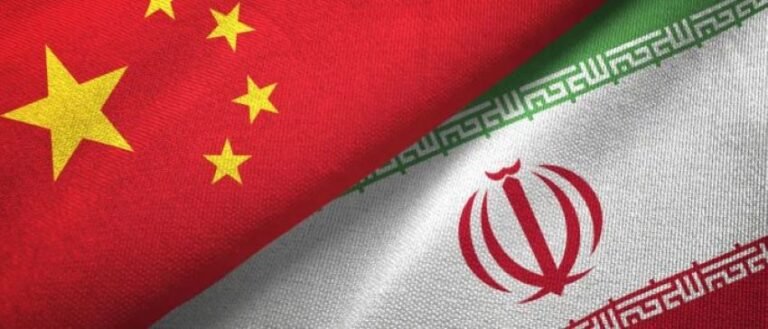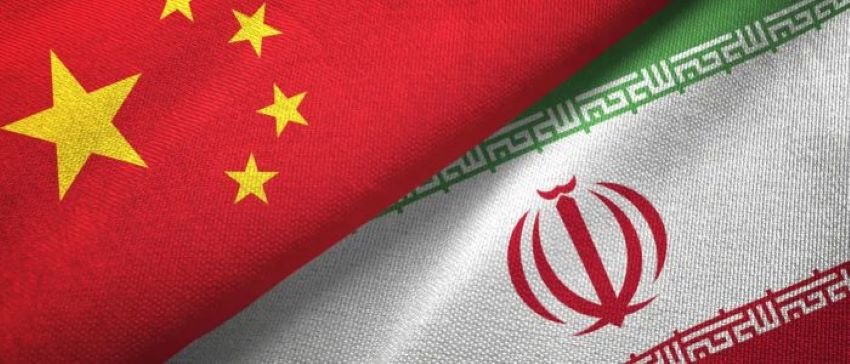
The narrative surrounding Iran–China relations in both countries has long been shaped by the image of a partnership spanning more than two millennia, rooted in the historical memory of dialogue between two great empires. This narrative emphasizes the idea of a durable bond forged through centuries of interaction. Yet, despite this long historical connection, relations between the two countries have not always been stable. Periods of tension have occurred, particularly in the second half of the twentieth century, as a consequence of the profound political transformations that first affected China after World War II and later Iran.
During this period, relations deteriorated significantly. The openly pro-Western policies pursued by Shah Mohammad Reza Pahlavi, combined with the radical ideological climate of Mao Zedong’s Cultural Revolution, contributed to a prolonged diplomatic estrangement between Tehran and Beijing.
The situation began to change toward the end of the 1970s, when both countries experienced major political transformations within a short period. In China, Mao’s death in 1976 opened the way to a new political phase, while in Iran the 1978–79 revolution led to the fall of the monarchy and the establishment of an Islamic theocratic state. These parallel transformations created the conditions for a gradual rapprochement.
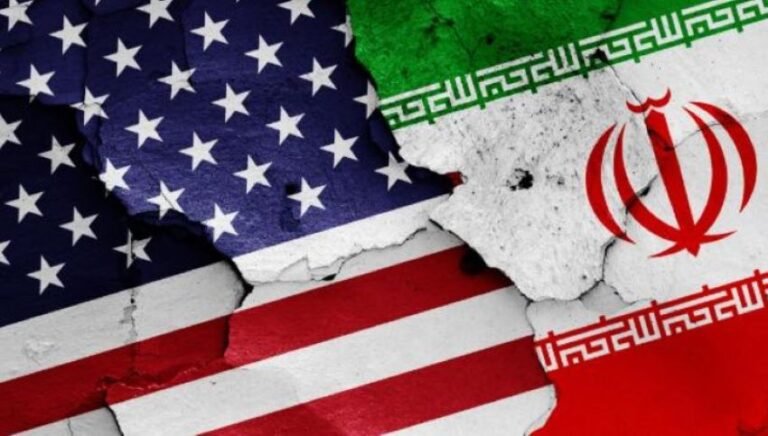
The renewed relations between the two countries were driven less by a clearly defined set of shared interests than by a broadly similar critical stance toward the Western political and economic model. In this sense, the relationship between Iran and China—much like that between Iran and Russia—has been built largely on a principle of strategic “alignment.” This alignment sought to mitigate significant ideological, political, and confessional differences by focusing on a common international posture aimed at promoting alternative global arrangements that often stand in opposition to the United States and, more broadly, to Western influence.
Read More: Trump to Visit China in May as Iran War Delays Trip
Economic relations have reinforced this political alignment. Iran’s international isolation, largely the result of Western sanctions, has encouraged the expansion of trade with China. Over the past two decades, this exchange has grown steadily, making China Iran’s most important economic partner. In particular, China has become the principal buyer of Iranian oil exports, reportedly absorbing about 90 percent of Iran’s export-bound production.
As a result, bilateral relations have deepened considerably in recent years. China has also used its ties with Iran to strengthen the Belt and Road Initiative (BRI) in a strategically crucial region of the Middle East.
This cooperation has been formalized through several agreements. In 2016, the two countries signed a framework agreement on strategic cooperation, followed in 2021 by a 25-year cooperation pact potentially worth up to $400 billion. More recently, Iran joined the BRICS group in October 2024, a move aimed at strengthening its diplomatic and economic ties with a group of countries generally less inclined to enforce the strict limitations imposed by Western sanctions.
Despite these developments, the relationship between Tehran and Beijing remains shaped by broader geopolitical considerations. While ties with Iran allow China—and, to some extent, Russia—to maintain useful economic channels and gain diplomatic leverage in negotiations with the United States, Tehran is not regarded in Beijing or Moscow as a priority partner. Rather, the relationship is subordinate to wider strategic calculations.
China’s foreign policy continues to balance its cooperation with Iran against its far more extensive economic and political relations with the United States and Western countries. For this reason, Beijing has consistently avoided taking radical positions in defense of Tehran. While for Iran, the partnership with China has clear strategic importance, for Beijing, it remains primarily instrumental: valuable, but ultimately expendable if broader geopolitical balances require it.
Read More: China, Energy and the Iran Crisis: A Strategic Advantage?
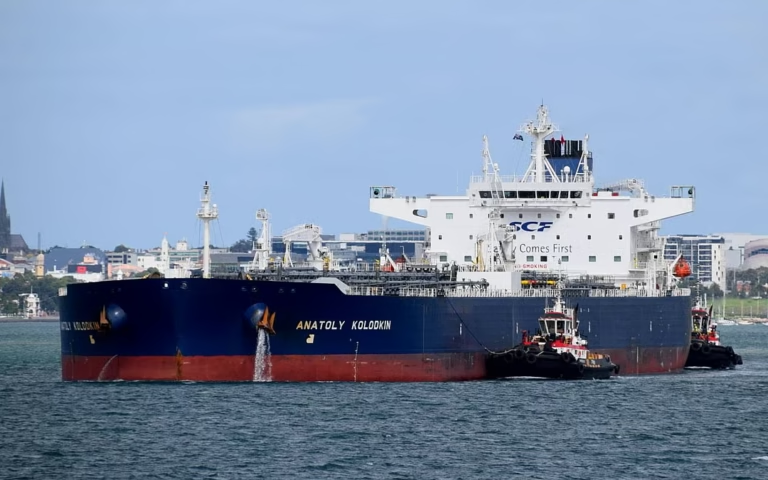
Against this background, the war launched by Israel and the United States against Iran has now been ongoing for more than a month. In response, Iran announced on March 2 its intention to close the Strait of Hormuz and threatened to strike any ships attempting to pass through it. Although maritime traffic has been severely disrupted, Tehran has so far avoided formally declaring a complete legal closure of the strait.
Iran is well aware that a prolonged and total closure would risk triggering a global economic shock. Such a move could not only harden Western opposition but also alienate key partners such as China, whose economy depends heavily on the uninterrupted flow of Gulf energy supplies.
In essence, China can tolerate a certain level of military tension and even controlled instability in the region. What it cannot tolerate is a prolonged paralysis of the Gulf’s energy routes, with the Strait of Hormuz transformed from a strategic deterrent into the trigger for a global economic crisis.
*The views presented in this article are the author’s own and do not necessarily reflect the views of The Diplomatic Insight.*

Elenoire Laudieri
The writer is an analyst and expert on diplomacy.