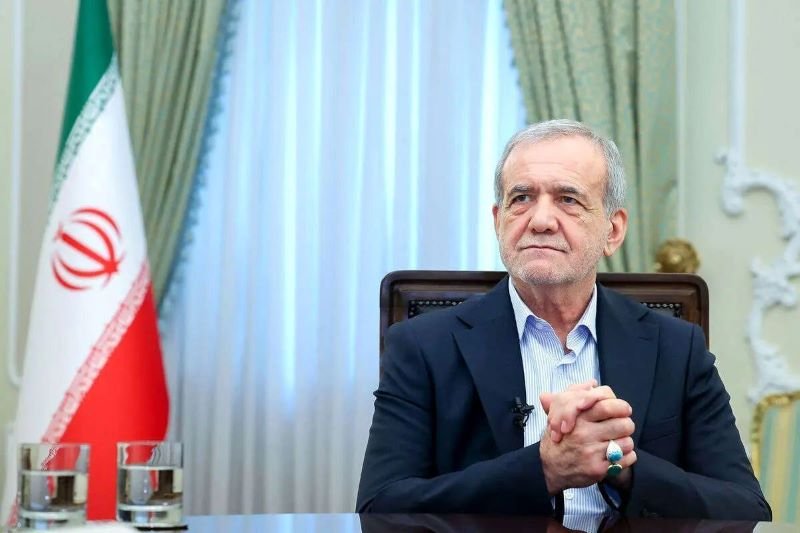
Tehran (TDI): Iranian President Masoud Pezeshkian has said that messages from Russian President Vladimir Putin, along with the backing of the Russian public, are boosting Iran’s morale in its ongoing war with the United States and Israel.
He praised the resilience of the Iranian people, saying their determination is helping to build stronger regional alliances that could shape future security dynamics.
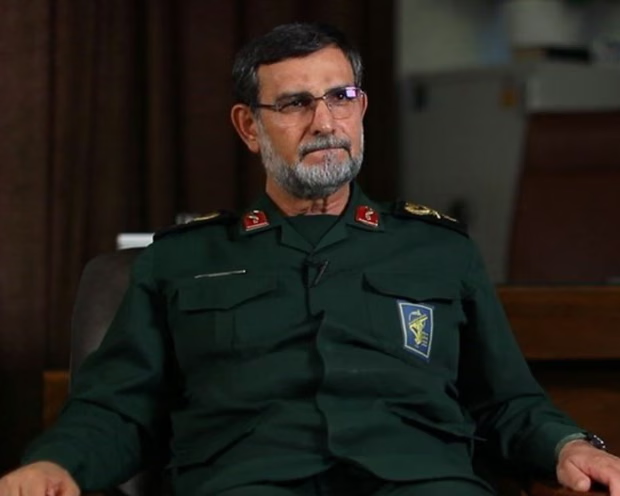
Meanwhile, the United States and Israel have confirmed that Alireza Tangsiri, the naval commander of Iran’s Islamic Revolutionary Guard Corps (IRGC), was killed in an Israeli airstrike. According to US Central Command, his death marks a significant development, as he had led the IRGC Navy for years and was accused by Washington of orchestrating attacks on commercial vessels and civilians. He had previously been sanctioned by the US Treasury.
US officials claim that since the launch of Operation Epic Fury, much of Iran’s naval capability has been severely degraded, with a large portion of its fleet reportedly destroyed. They also warned that further strikes could continue and urged Iranian personnel to step away from military roles to avoid further casualties.
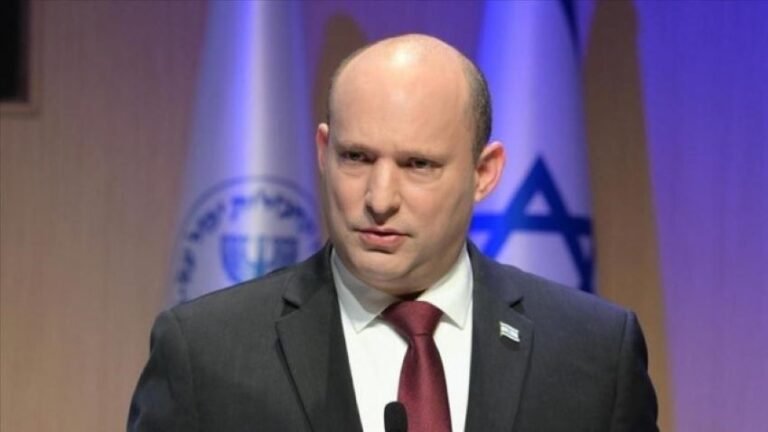
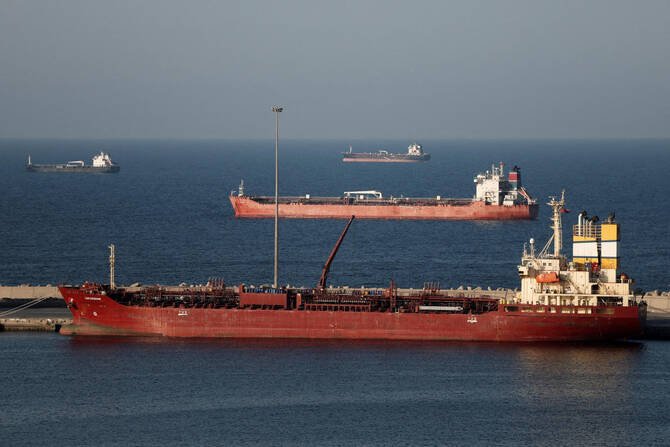
Israeli Prime Minister Benjamin Netanyahu also confirmed the strike, describing Tangsiri as a key figure behind aggressive maritime actions, including the disruption of shipping routes in the Strait of Hormuz.
Read More: Trump to Visit China in May as Iran War Delays Trip
At the same time, reports suggest that the Pentagon is preparing for a possible major escalation in the conflict. Military planners are reportedly reviewing options that include heavy airstrikes and even potential ground operations targeting strategically important Iranian-held islands near the Strait of Hormuz. However, US President Donald Trump has not yet made a final decision, and officials say such plans remain under consideration rather than imminent.
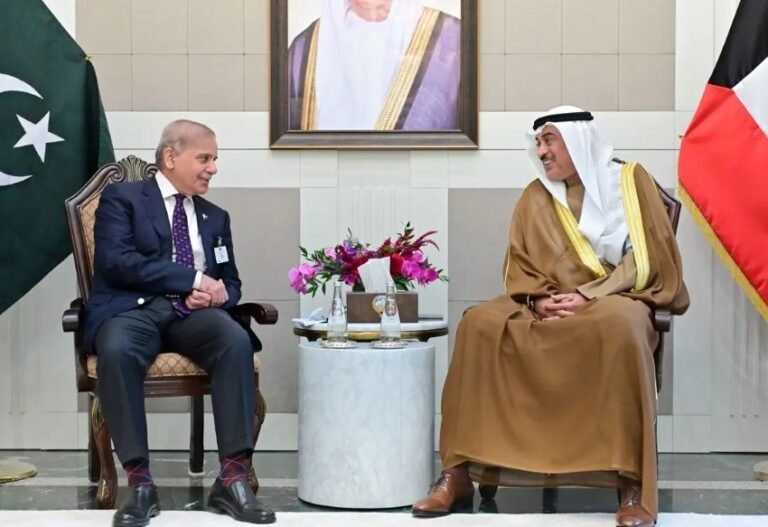
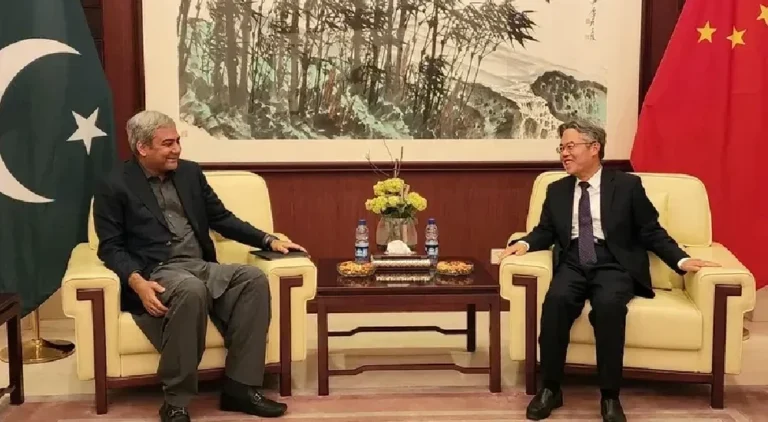
Despite rising tensions, diplomatic efforts are still ongoing. Pakistan, along with Türkiye and Egypt, is playing a role in facilitating indirect communication between Washington and Tehran. Pakistan’s Foreign Minister Ishaq Dar clarified that these exchanges are not formal negotiations but involve relaying messages between the two sides. He emphasized that diplomacy remains the only viable path forward.
In a separate development, a Pakistani official revealed that Israel had considered targeting senior Iranian figures, including Foreign Minister Abbas Araqchi and parliamentary speaker Mohammad Baqer Qalibaf, but backed off after concerns were raised that eliminating them would shut down any remaining diplomatic channels.
The conflict has already spilled beyond Iran and Israel. In Abu Dhabi, falling debris from an intercepted missile killed two people and injured several others, highlighting the widening regional impact of the war.
Read More: Oil Gains, Markets Mixed as US-Iran Truce Signals Remain Unclear
Tensions have also surfaced between the United States and its allies. President Trump criticized NATO, saying the alliance had contributed little to the conflict, while some European countries have distanced themselves, arguing the war was initiated without their consultation.
On the battlefield, Iran continues to launch missile and drone attacks under its ongoing campaign, targeting US bases and other strategic sites across the region. Tehran insists it is not seeking negotiations under pressure and wants any end to the war on its own terms. US officials, however, maintain that Iran is under increasing strain and may eventually be forced to reconsider.