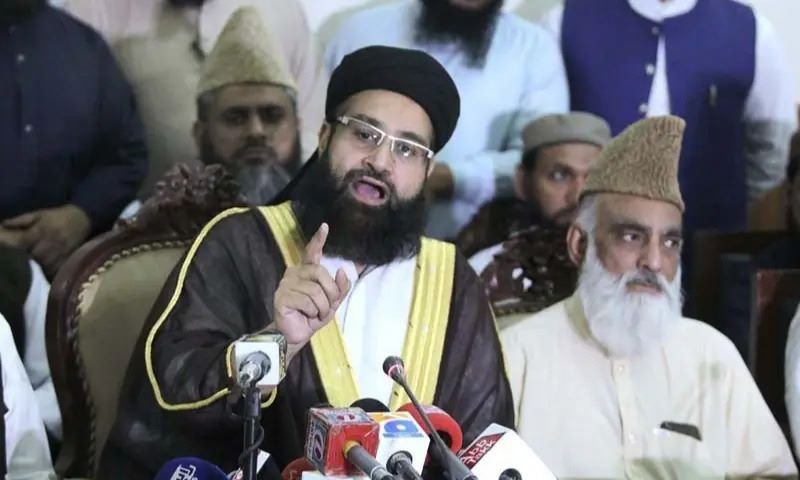
Lahore (TDI): The Pakistan Ulema Council (PUC), representing clerics from various Sunni schools of thought, has urged Afghanistan’s interim Taliban government to ensure the implementation of a recent decree issued by Afghan religious scholars rejecting militancy beyond their borders.
PUC Chairman Hafiz Tahir Mahmood Ashrafi, speaking on Sunday, described the resolution, passed by more than 1,000 Afghan clerics, as a constructive and encouraging move. He said it was now the responsibility of the Afghan authorities to translate the declaration into action.
Ashrafi noted that the position taken by Afghan scholars closely aligns with that of Pakistan’s religious leadership. He explained that the declaration emphasized two key principles: rejecting aggression against Afghan territory and ensuring Afghan soil is not used for hostile activities against any other country.
“Our stance is the same,” he said. “Just as attacks on Afghanistan are unacceptable, terrorism in Pakistan is also unacceptable. There should be no cross-border violence from either side.”
Highlighting the shared interest in regional peace and stability, Ashrafi thanked Turkiye, Qatar and Saudi Arabia for their efforts to facilitate dialogue between Pakistan and Afghanistan.
Read More: Over 1,000 Afghan Clerics Issue Decree Against Cross-Border Militancy
He also issued a strong warning against attempts to undermine or speak out against Pakistan’s armed forces, stating that such actions would be firmly opposed. He added that if required, religious seminaries and mosques would stand ready to support the country’s security and stability, stressing that protecting the homeland was a collective national duty.
Calling for political wisdom and restraint, Ashrafi urged all political parties to engage in dialogue to strengthen Pakistan’s defense, economy and internal cohesion. He criticized the growing use of abusive and inflammatory language in politics, saying such behaviour only fuels division and instability.
Read More: Ban on Afghan Women in NGOs Wrong: UN
He further stated that scholars from all schools of thought had unanimously rejected violence and hate speech, emphasizing that any political or religious objectives must be pursued through peaceful means.