In diplomacy, outcomes are often attributed to strategy, negotiation skill, and political will. Yet, long before agreements are signed or discussions begin, something quieter, but equally powerful, is already at work. That force is protocol.
It operates in the background of nearly every diplomatic engagement, shaping how interactions unfold, how messages are perceived, and ultimately, how relationships develop. When done well, it is almost invisible. When done poorly, it is immediately felt.
For many professionals in diplomacy and international relations, protocol is something encountered regularly, but not always fully defined. Understanding it more clearly is not simply an academic exercise, it is a practical advantage.
Protocol is often mistaken for ceremony, formality, or rigid rules. In reality, it is far more functional.
The Global Center for Protocol Development (GCPD) defines protocol as “an internationally recognized practice of etiquette and courtesies that facilitate engagements between two or more parties to further professional relationships and business interests.”
Read More: Protocol: The Present and the Future of a Global Profession
At its essence, protocol is about creating the conditions for successful interaction. It reduces uncertainty, establishes mutual respect, and allows individuals and nations to engage without unnecessary friction. It is not about perfection, it is about alignment.
To understand protocol at the international level, it helps to recognize that its foundations exist in everyday life. From early societal frameworks such as the Code of Hammurabi, human interaction has always been guided by expectations of behavior.
These expectations evolved into the norms we follow today, including greeting others respectfully, observing hierarchy, expressing gratitude, and adapting behavior based on context. Most people practice protocol daily without realizing it.
The difference in diplomacy is scale and consequence. A missed greeting between colleagues may go unnoticed. A misstep between nations can send unintended signals, create friction, or undermine carefully built relationships. The same principles apply, but the stakes are significantly higher.
The Profession of Protocol
At the center of this discipline are protocol professionals, best described as professional facilitators. Their role is to make engagement possible. Protocol officers operate in complex, high-pressure environments where precision matters.
They are responsible for aligning logistics, messaging, hierarchy, and experience so that diplomatic interactions can occur seamlessly. Their work spans multiple domains:
- Strategic planning
- Diplomatic coordination
- Event execution
- Logistics and transportation
- Security integration
- Hospitality and cultural alignment
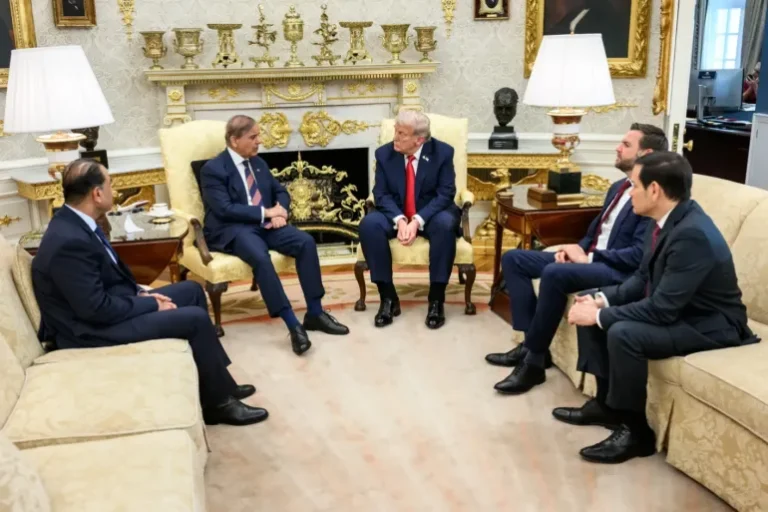
Consider a foreign minister’s visit. Behind what may appear to be a smooth sequence of events lies an intricate system of decisions: arrival honors, transportation movements, hotel assignments based on precedence and security, meeting schedules down to the minute, carefully curated meals, seating arrangements that reflect diplomatic hierarchy, and the selection and timing of official gifts. Each detail carries meaning.
Protocol professionals must balance the objectives of the host with those of the visiting delegation, ensuring that every element reinforces, not detracts from, the relationship. This is not simply coordination. It is strategic execution.
Within government structures, protocol serves as both a stabilizer and a signal. It ensures that official interactions are conducted with consistency, respect, and clarity. In doing so, it protects the image and credibility of institutions while enabling productive engagement.
At the municipal, regional, and national levels, protocol becomes more than operational, it becomes strategic. Small details can carry disproportionate weight.
The order of introductions, the placement of flags, or the structure of a meeting can either reinforce mutual respect or introduce unintended tension. Protocol, in this sense, is not just about doing things correctly, it is about communicating intent without words.
Protocol in Diplomacy and International Relations
In diplomacy, protocol sets the stage before the first word is spoken. It creates a shared framework that allows representatives from different cultures, systems, and perspectives to engage on common ground. Without it, even well-intentioned interactions can become misaligned.
National Chiefs of Protocol play a central role in this process. In countries such as the United States, United Kingdom, France, Spain, Germany, Italy, and Canada, this position is often granted ambassadorial status, reflecting its importance within the diplomatic framework.
Unlike traditional diplomats who primarily operate abroad, Chiefs of Protocol manage the environment in which diplomacy occurs at home. They ensure that visits, ceremonies, and engagements align with national interests while fostering positive international relationships.
More broadly, protocol acts as the infrastructure of diplomacy. It enables discussions to begin on stable footing, allowing substance, not misinterpretation, to drive outcomes.
What makes protocol particularly powerful is its layered complexity. It is not a single set of rules, but a dynamic integration of:
- International standards
- Cultural awareness
- Customs and courtesies
- Relationship-building
- Personalized hospitality
Read More: The Language of Attire: Dress Codes in Diplomatic Protocol
Each engagement requires these elements to be carefully balanced. What is appropriate in one context may not be in another. Protocol professionals must constantly interpret, adapt, and apply their knowledge with precision.
This is where expertise becomes essential. Protocol is both technical and intuitive, requiring not only an understanding of standards, but also the judgment to apply them effectively in real-world situations.
For those working in diplomacy and international relations, protocol is not a peripheral function, it is a force multiplier. It shapes first impressions, reinforces relationships, and creates the conditions under which meaningful dialogue can occur. When integrated effectively, it enhances strategy, supports negotiation, and strengthens outcomes.
Understanding protocol more deeply allows professionals to move beyond simply participating in engagements, to shaping them. And behind many of those engagements is a protocol professional, planning, aligning, and executing with precision so that others can succeed.
So the next time a visit runs seamlessly, a meeting feels naturally productive, or an engagement strengthens a relationship in ways that seem effortless, take a moment to recognize the work behind it. And if you have the opportunity, thank a protocol professional.
*The views presented in this article are the author’s own and do not necessarily reflect the views of The Diplomatic Insight.

Kyle Helvey
Kyle Helvey is the Co-Founder and Chief Executive Officer of the Global Center for Protocol Development (GCPD). He has worked in leadership positions within the protocol profession across multiple continents for over twenty years, managing engagements at the highest levels of government, academia, and industry. With an educational background in business, leadership, and innovative practices, Kyle is guiding GCPD to redefine professional development and leadership practices within the protocol industry.